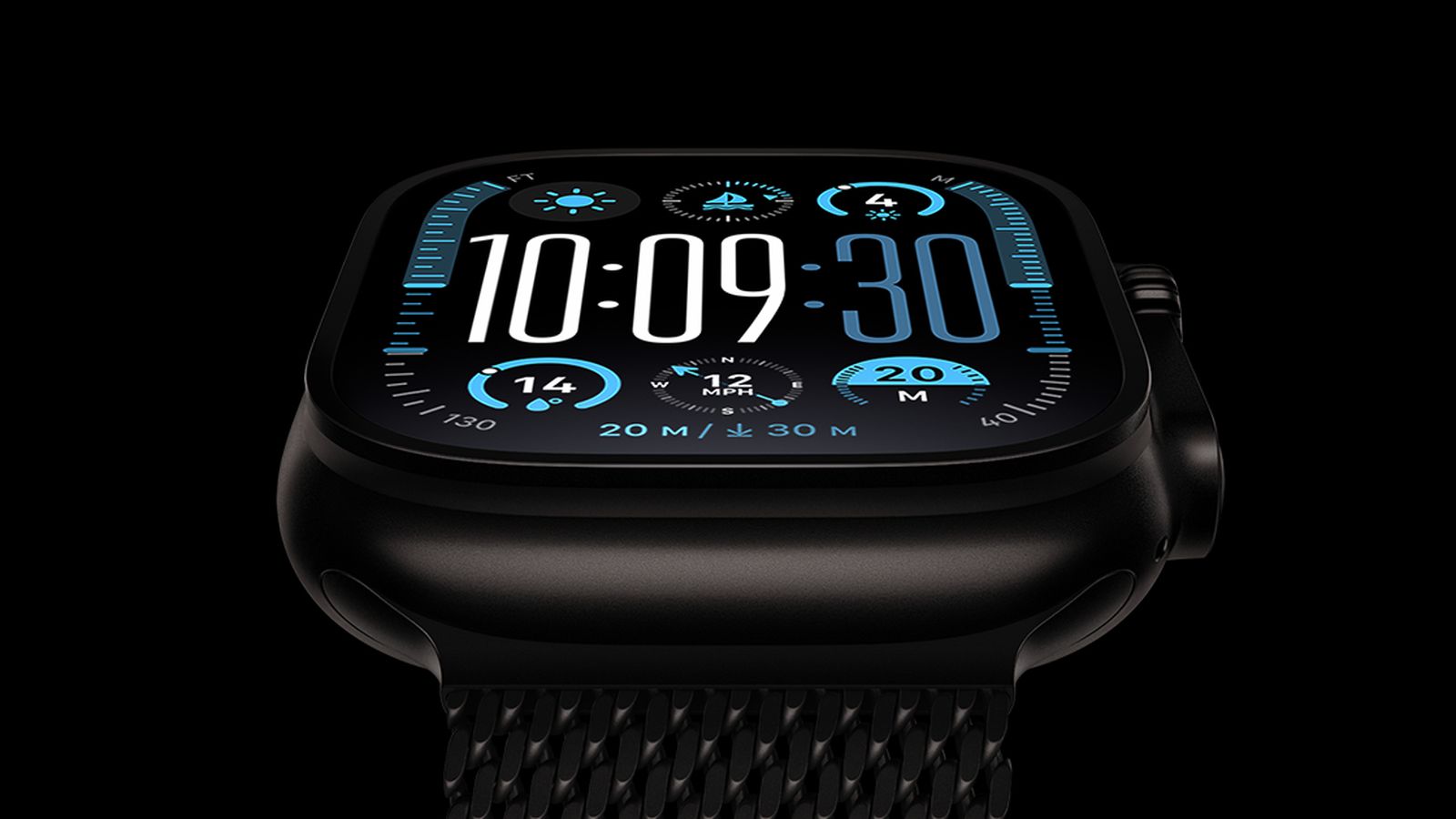
Apple’s dominant position in the wearable market may soon be bolstered by a significant architectural shift. According to recent reports from Bloomberg’s Mark Gurman, the tech giant is currently re-evaluating the foundational design of the Apple Watch lineup. This exploratory phase suggests a potential departure from the iconic rectangular form factor that has defined the product since its debut in 2015, signaling a move toward a more diverse and technologically ambitious portfolio.
What happened
In a recent installment of his “Power On” newsletter, Mark Gurman revealed that Apple’s industrial design teams are investigating radical new directions for its wrist-worn devices. The internal project is described as a “broader rethink” of the smartwatch category, with several experimental concepts currently under evaluation. Among the most striking possibilities is the introduction of a screenless fitness tracker, a move that would see Apple compete more directly with minimalist fitness bands and smart rings.
Furthermore, the report indicates that Apple has seriously considered the development of a round Apple Watch. While Gurman notes that a circular model is unlikely to hit the market in the immediate future, its presence in the design conversation marks a notable shift in Apple’s philosophy. To further segment the market, Apple is also exploring new pricing tiers. This includes ultra-premium models that would sit even higher in the hierarchy than the current Apple Watch Ultra and Hermès editions, as well as more budget-friendly alternatives to complement the existing Apple Watch SE.
Context
The impetus for this radical transformation appears to be a cooling of the wearables market. Apple’s Wearables, Home, and Accessories segment, which was once a primary engine for the company’s growth, has seen a slowdown in revenue over the last few fiscal cycles. To counter this, the company is looking for a “revolutionary design change” comparable to the transition from the traditional “slab” iPhone to the rumored foldable iPhone.
Apple is also facing increased pressure from a resurgent fitness tracking market. Competitors are increasingly finding success with specialized, screen-free devices that focus on long battery life and discreet biometrics rather than app ecosystems. The rise of smart rings, popularized by companies like Oura and more recently Samsung, has forced Apple to consider whether a full-featured watch is the only way to capture health data effectively.
Why it matters
This potential pivot represents more than just an aesthetic refresh; it is an attempt to redefine what a wearable device can be in an era increasingly dominated by Artificial Intelligence. Apple’s long-term strategy reportedly involves a complete overhaul of the Health app and a deeper integration of AI-focused features across its hardware. By offering a variety of form factors—from screenless bands to luxury high-end watches—Apple can capture a wider demographic of users who may find the current Apple Watch too bulky or overly complex.
If Apple successfully executes this “reinvention,” it could secure its lead in the health technology space for the next decade. By diversifying the hardware, the company can ensure that its ecosystem remains the central hub for user health data, regardless of whether that data is collected by a high-end luxury watch or a simple, invisible sensor. As the company moves toward this “new era,” the Apple Watch may no longer be a single product, but a multifaceted family of devices tailored to every possible lifestyle.