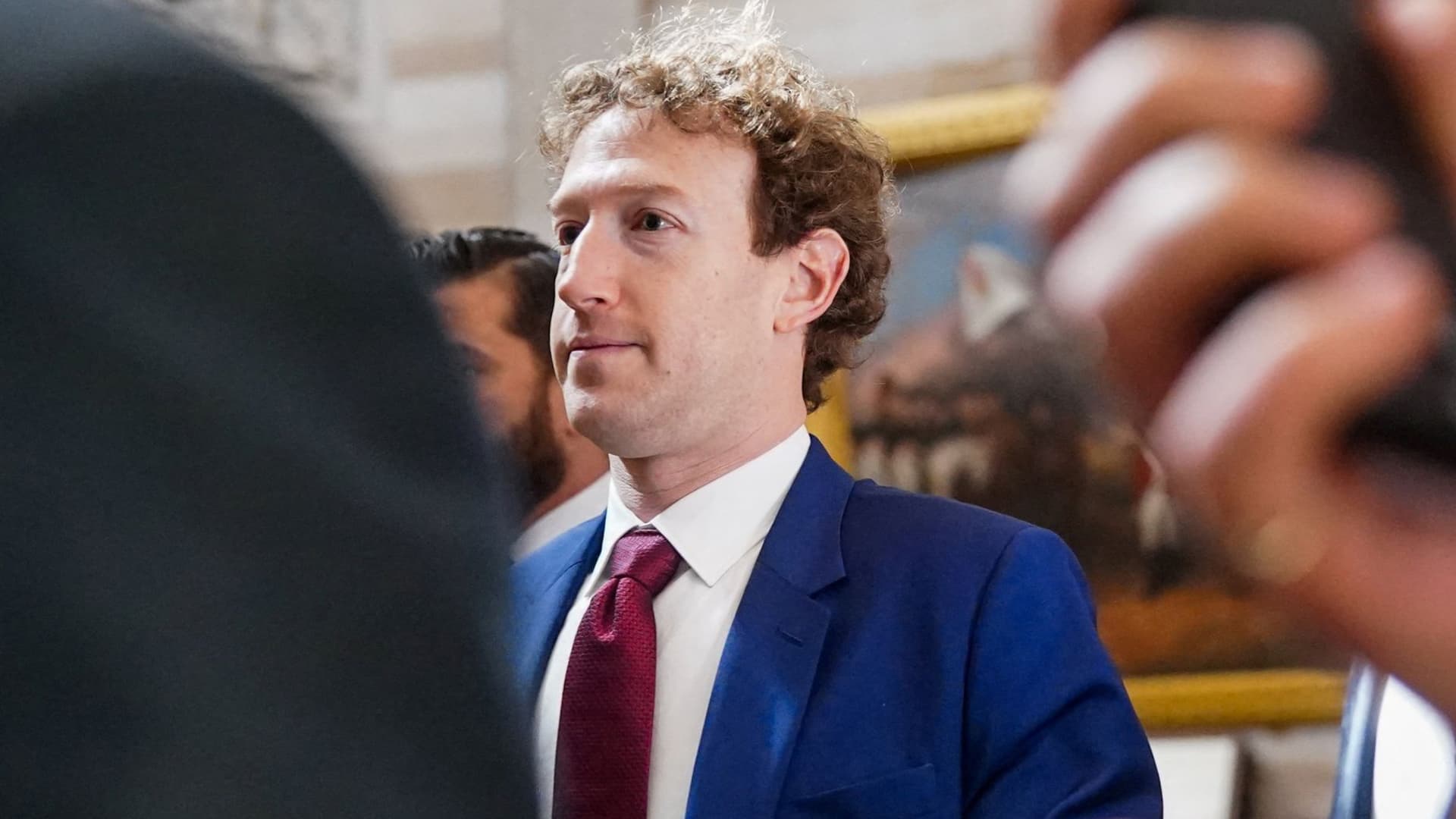
As the landmark trial against Meta platforms began this week in a federal courtroom in Oakland, California Attorney General Rob Bonta sought to clarify the objectives of the bipartisan legal action. While the potential financial penalties facing the social media giant are staggering, Bonta emphasized that the core of the case is about forcing a fundamental shift in how the company operates and accounts for its impact on young users. He maintained that the proceedings are less about securing a massive windfall and more about addressing “civil penalties, restitution, and distortion.”
What happened
The trial, which is expected to span nearly two months, represents a unified front by 29 states, co-led by California, Colorado, New Jersey, and Kentucky. During the opening sessions, state attorneys argued that Meta—the parent company of Facebook and Instagram—knowingly designed its platforms to exploit the psychological vulnerabilities of children. They allege that the company utilized features specifically intended to foster addictive behavior, which has contributed significantly to a mental health crisis among adolescents.
A central pillar of the states’ argument is the accusation of corporate deception. Deputy Attorney General Megan O’Neill told the advisory jury that Meta engaged in a calculated campaign to mislead the public. The plaintiffs claim that while executives, including CEO Mark Zuckerberg, were making public assurances about platform safety, internal research was painting a much grimmer picture of the harm being done to young users’ well-being.
Regarding the potential financial fallout, there is a significant discrepancy in the numbers. While Meta’s legal team suggested that penalties could theoretically reach an astronomical $1.4 trillion based on certain data rubrics, the state attorneys suggested a figure closer to $200 billion. Bonta clarified that while the states are seeking significant civil penalties to ensure accountability, the $1.4 trillion figure was a calculation derived from Meta’s own estimates rather than a formal request from the plaintiffs.
Context
This trial is the culmination of a legal battle that began in 2023, following years of scrutiny over the “Social Media Harms” movement. It follows a similar legal blueprint to recent proceedings in New Mexico, where Attorney General Raúl Torrez successfully secured hundreds of millions of dollars in an abatement fund for child exploitation concerns.
The legal team representing the states is targeting specific violations of the Children’s Online Privacy Protection Act (COPPA) and various state-level consumer protection laws. Beyond just money, the states are demanding that Meta take drastic remedial actions. These include the deletion of personal data collected from children under the age of 13 and the removal of the very algorithms trained on that data. Furthermore, the states want to see an end to design features like infinite scroll, autoplay, and certain “beauty” filters that are believed to negatively impact body image and sleep patterns.
The case is being heard by a seated advisory jury, though U.S. District Judge Yvonne Gonzalez Rogers will ultimately be the one to deliver the final verdict and determine the scale of the penalties.
Why it matters
The outcome of this trial could serve as a watershed moment for the entire technology industry. Meta is currently the primary target, but Bonta was quick to note that it is merely “first in line.” Similar concerns are being raised by state officials regarding TikTok, YouTube, and Snapchat. If the court rules against Meta and mandates the removal of features like infinite scroll, it would set a legal precedent that could force a total redesign of social media as we know it.
Furthermore, the case highlights a growing bipartisan consensus among state leaders that self-regulation in the tech sector has failed. By focusing on “distortion”—the gap between what companies say and what their internal data shows—attorneys general are attempting to hold tech giants to the same transparency standards as other major industries, such as tobacco or pharmaceuticals. For parents and educators, the trial represents a high-stakes effort to reclaim digital safety and prioritize child mental health over corporate engagement metrics.