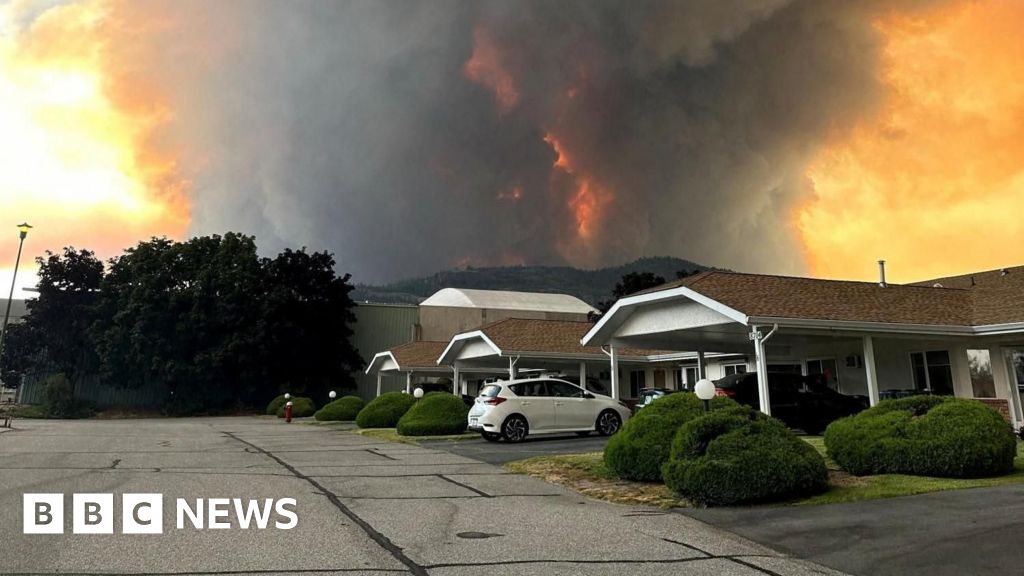
The picturesque landscape of British Columbia’s Okanagan region has been transformed into a scene of devastation as a series of aggressive wildfires continue to tear through the province. Over the past weekend, thousands of residents were forced to abandon their homes with little notice, leaving behind properties that many fear have been reduced to ash. The speed and intensity of the current fire season have pushed local resources to their limits and forced the provincial government to take emergency measures to protect the public.
What happened
The crisis escalated rapidly on Friday when the Bald Range wildfire ignited and swelled to over 53 square miles in just a few hours. The fire’s explosive growth centered around the scenic communities of Peachland and Summerland, which overlook Okanagan Lake. As of Monday, the blaze remains uncontained, and officials are still working to confirm the exact number of structures destroyed. However, early reports from residents who witnessed the aftermath describe a landscape of “incinerated destruction,” where homes once stood amidst lush greenery, now replaced by deep layers of grey ash.
The human toll of the disaster has already turned tragic. Authorities confirmed that an 80-year-old woman lost her life while attempting to escape the advancing flames. Meanwhile, more than 12,000 residents remain under mandatory evacuation orders. Premier David Eby declared a provincial state of emergency over the weekend, emphasizing that the fires are moving “incredibly quickly” and urged all citizens to prioritize safety over property.
Context
While the Okanagan region is no stranger to seasonal wildfires, the current conditions are historically severe. British Columbia is currently grappling with more than 100 active fires, 70 of which began in just the last week. This surge in activity is fueled by a combination of dry lightning strikes and a prolonged, extreme drought that has left the region’s vegetation like tinder.
Environmental data highlights the severity of the situation; the water level of Okanagan Lake has dropped to its lowest point since 1992. This lack of moisture, combined with high temperatures and volatile wind patterns, has created a “perfect storm” for fire ignition and spread. Even long-term residents who have lived through decades of fire seasons report that the speed of the Bald Range fire was unprecedented, catching many off guard during routine activities like dinner.
Why it matters
The devastation in the Okanagan serves as a sobering reminder of the increasing volatility of wildfire seasons in North America. For many families, the loss is not just financial but deeply personal. Some residents, like 18-year-old Keegan Radomski, had to flee with only the most precious of mementos—such as her mother’s ashes—before watching the flames reach the property her grandmother built 30 years ago.
The current situation also underscores the growing unpredictability of these natural disasters. Even those who consider themselves “fire-hardened” or accustomed to evacuation alerts are finding that traditional preparation measures may no longer be enough when faced with fires that consume thousands of acres in a single evening. As officials warn of more dry lightning and high winds in the forecast, the priority remains on the preservation of life and the eventual long-term recovery of one of Canada’s most iconic agricultural and tourism hubs.