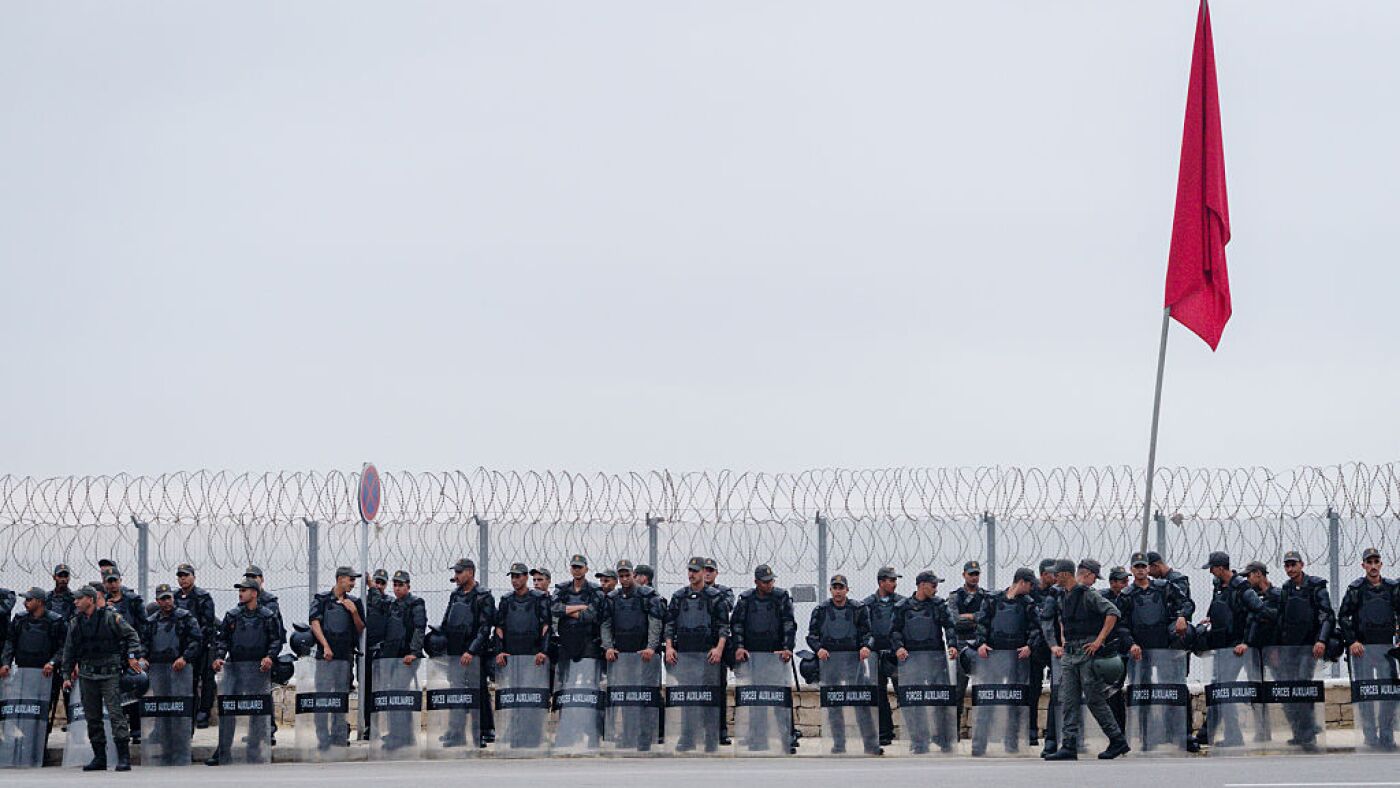
The Spanish enclave of Ceuta is grappling with the aftermath of a historic migration event that has left the small territory transformed. Just weeks after tens of thousands of people surged across the border from Morocco, the atmosphere remains tense. While Moroccan authorities have recently stepped up efforts to block new crossing attempts, the consequences of the July 30 incident continue to reverberate through the streets of this Mediterranean outpost, leaving many to wonder if stability will ever truly return.
What happened
On July 30, a massive influx of over 70,000 migrants crossed into Ceuta, a scale that overwhelmed local infrastructure and caught Spanish authorities off guard. The event was marked by tragedy, with more than 140 people losing their lives during the attempt. In the weeks following the surge, the Spanish government has claimed that the vast majority of those who entered have since returned to Morocco, asserting that many did so voluntarily.
However, the situation on the ground remains complex. Thousands of individuals, including many unaccompanied minors, are still present in the enclave. For the local population of approximately 85,000, daily life has been fundamentally altered. Residents report significant shortages of basic goods, such as bread, and a pervasive sense of insecurity. Some neighborhoods have seen the rise of vigilante groups, while other citizens have focused on providing humanitarian aid to those still stranded. The once-fluid border town is now defined by a sense of isolation and uncertainty.
Context
Ceuta is one of two Spanish territories located on the North African coast, sharing a land border with Morocco. To manage migration, Spain has invested heavily in a sophisticated border defense system, featuring a five-mile-long double fence that reaches heights of 30 feet. This barrier is equipped with advanced surveillance technology designed to prevent precisely the kind of mass entry that occurred in late July.
The timing of the crisis was particularly difficult for Spain, as the national government was simultaneously managing record-breaking wildfires across the mainland. The event quickly became a focal point for international political discourse, with various global leaders citing it as a primary example of the challenges facing Western border policies. Within the European Union, the incident sparked renewed debate over shared responsibility and the effectiveness of current immigration frameworks.
Why it matters
The fluctuation in border enforcement—moving from total permeability on July 30 to a heavy military and police presence by mid-August—points to a deeper geopolitical strategy. Investigative analysts suggest that these crises often follow a predictable pattern. In this view, migration is utilized as a diplomatic tool by Morocco to secure concessions or strengthen its bargaining position with Spain and the wider European Union.
By first allowing a crisis to unfold and subsequently acting as the force that resolves it, Morocco reinforces its status as an indispensable partner in European border security. For the residents of Ceuta, however, these high-level political maneuvers have real-world costs. The cycle of crisis and resolution leaves the local community in a perpetual state of vulnerability, highlighting the fragility of life on one of the world’s most contested borders. As long as migration remains a pawn in bilateral negotiations, the underlying humanitarian and social tensions in Ceuta are unlikely to find a permanent resolution.