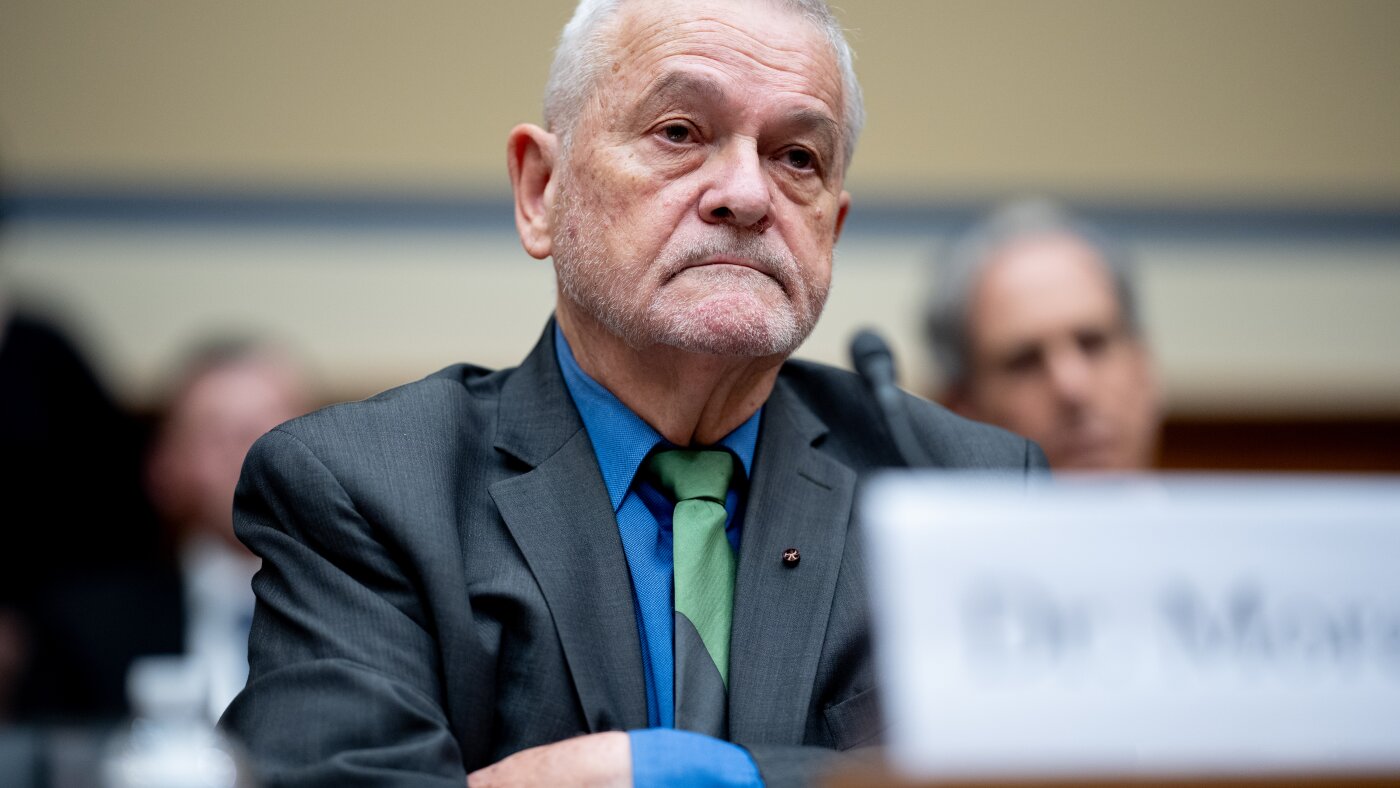
In a significant legal development regarding the transparency of the federal government’s pandemic response, Dr. David Morens, a former senior advisor to Dr. Anthony Fauci, has entered a guilty plea in federal court. Morens admitted to a charge of conspiracy to defraud the United States, acknowledging his role in a scheme to bypass federal record-keeping requirements. The case centers on his deliberate efforts to conceal internal communications regarding the origins of COVID-19 and related research.
What happened
On Tuesday, the 78-year-old Morens appeared in court to finalize a plea agreement following an indictment issued in April. Federal prosecutors alleged that Morens, while serving at the National Institute of Allergy and Infectious Diseases (NIAID), systematically used his personal email account to conduct official government business. By doing so, he effectively shielded his correspondence from public scrutiny and federal oversight, violating the laws that mandate the preservation of official records.
The investigation revealed that Morens sought to hide email exchanges specifically focused on coronavirus research. His legal team stated that the guilty plea represents an act of taking responsibility for his conduct. This admission follows previous public apologies Morens made during congressional hearings, where he expressed regret for his handling of official documentation.
Morens now faces a maximum sentence of five years in federal prison and a fine that could reach $250,000. His sentencing is currently scheduled for November, marking a definitive end to his long tenure within the nation’s premier infectious disease research agency.
Context
The legal troubles for Morens did not emerge in a vacuum. His actions have been at the center of a heated political and scientific debate regarding the origins of the SARS-CoV-2 virus. Republican lawmakers, led most notably by Senator Rand Paul, have frequently alleged that federal officials participated in a cover-up to hide a potential laboratory leak in Wuhan, China. While Fauci and Morens have consistently denied these allegations, the discovery that Morens intentionally circumvented transparency laws fueled further suspicion among critics.
It is important to note that while Morens has admitted to criminal activity regarding records management, Dr. Anthony Fauci has not been charged with any crimes related to this specific investigation. However, the political pressure remains high. Earlier this month, a Senate committee moved to hold Fauci in contempt of Congress after he invoked the Fifth Amendment to avoid answering questions during a hearing. While the scientific community largely maintains that the virus likely emerged through natural transmission from animals to humans, the lack of transparency from officials like Morens has provided fodder for those demanding more rigorous investigations into the lab-leak hypothesis.
Why it matters
The guilty plea of a high-ranking NIAID official raises profound questions about accountability and the integrity of federal scientific institutions. For some legal experts, the case is a straightforward matter of government ethics. As a public official, Morens was bound by an oath and specific statutes to ensure his work remained accessible for historical and oversight purposes. His failure to do so is viewed by prosecutors as a breach of the public trust that warrants criminal penalties.
Conversely, some advocates within the scientific community worry that the aggressive prosecution of researchers and public health officials could have a chilling effect. There are concerns that such legal actions, occurring within a highly polarized political climate, may be interpreted as an attack on science itself. Experts at organizations like the Union of Concerned Scientists have suggested that using the criminal justice system to target scientists can be a tactic used to undermine independent research.
Ultimately, the Morens case highlights the delicate balance between the need for government transparency and the protection of scientific inquiry. As the legal process moves toward sentencing, the fallout from this admission of guilt will likely continue to influence the public’s perception of how the United States managed the most significant health crisis of the 21st century.