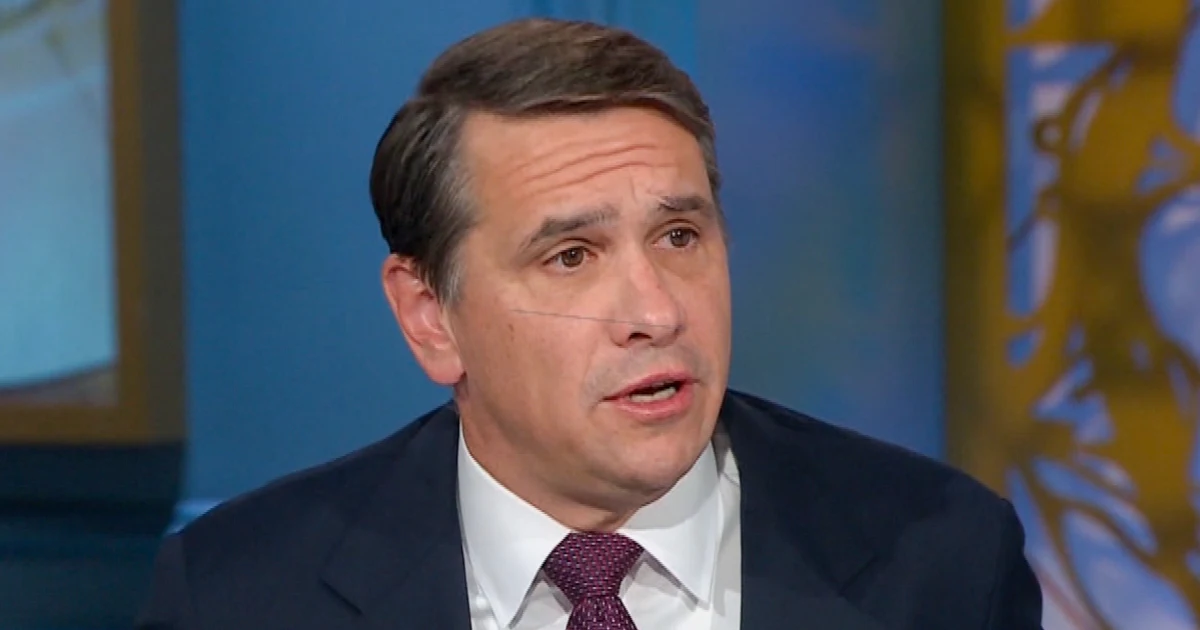
Attorney General Todd Blanche has signaled that the Department of Justice (DOJ) may seek a definitive ruling from the U.S. Supreme Court regarding federal access to state voter data. Speaking on NBC’s “Meet the Press,” Blanche indicated that the administration is considering an appeal after facing a series of legal setbacks in lower courts. This move highlights a growing confrontation between the federal government and state leaders over who maintains control over election records as the November midterm elections approach.
What happened
The current legal battle stems from a series of lawsuits filed by the Department of Justice against 30 states and the District of Columbia. The federal government is seeking broad access to sensitive voter information, including residential addresses, dates of birth, driver’s license numbers, and the final four digits of Social Security numbers. According to the DOJ, this data collection is necessary to identify “deficiencies” or “anomalies” within the rolls, specifically to ensure that noncitizens are not registered to vote.
Despite these efforts, the Justice Department has faced significant opposition in the courtroom. Federal judges in states such as Michigan and Oregon have ruled against the DOJ, leading to at least 22 lost cases so far. When asked if the department would escalate these losses to the nation’s highest court, Blanche confirmed that such a move is “absolutely” a possibility. He maintained that investigating election fairness is a core responsibility that the department intends to pursue vigorously.
Context
The push for federal oversight of voter rolls is rooted in an executive order signed by President Trump, which prioritizes “election integrity” as a central administrative goal. However, the federal government’s request for granular data has met with bipartisan resistance at the state level. Traditionally, the management of voter rolls has been the purview of state governments, and many leaders argue that federal intervention infringes upon their jurisdiction.
Governors from across the political spectrum, including Republicans in states like Idaho, Utah, Georgia, and Vermont, have pushed back against the DOJ’s demands. Vermont Governor Phil Scott previously noted that state-level officials are better equipped to manage their own elections than a centralized federal authority.
Blanche himself is a relatively new fixture in the role of Attorney General. He was confirmed by the Senate earlier this month following a period as acting attorney general. His path to confirmation involved a deal with key Republican senators, including John Cornyn and Thom Tillis, regarding a $2 billion “anti-weaponization” fund. Blanche recently reiterated that this fund, which would have compensated individuals who felt targeted by the DOJ, is officially “dead.” Before joining the administration, Blanche served as President Trump’s personal defense attorney during his high-profile criminal trial in New York.
Why it matters
The potential for a Supreme Court intervention marks a significant moment in the balance of power between state and federal authorities. If the Justice Department successfully gains access to these rolls, it could represent a major shift in how American elections are monitored, moving away from decentralized state control toward a more centralized federal model.
Furthermore, the timing of this legal push is critical. With the midterm elections looming, any ruling from the Supreme Court could immediately impact how voter eligibility is verified and how states maintain their databases. While the DOJ frames the issue as a necessary step for ensuring fair elections, critics and state leaders view it as an overreach that could compromise voter privacy and disrupt established state processes. As the cases move toward a possible high-court showdown, the outcome will likely define the boundaries of federal election oversight for years to come.