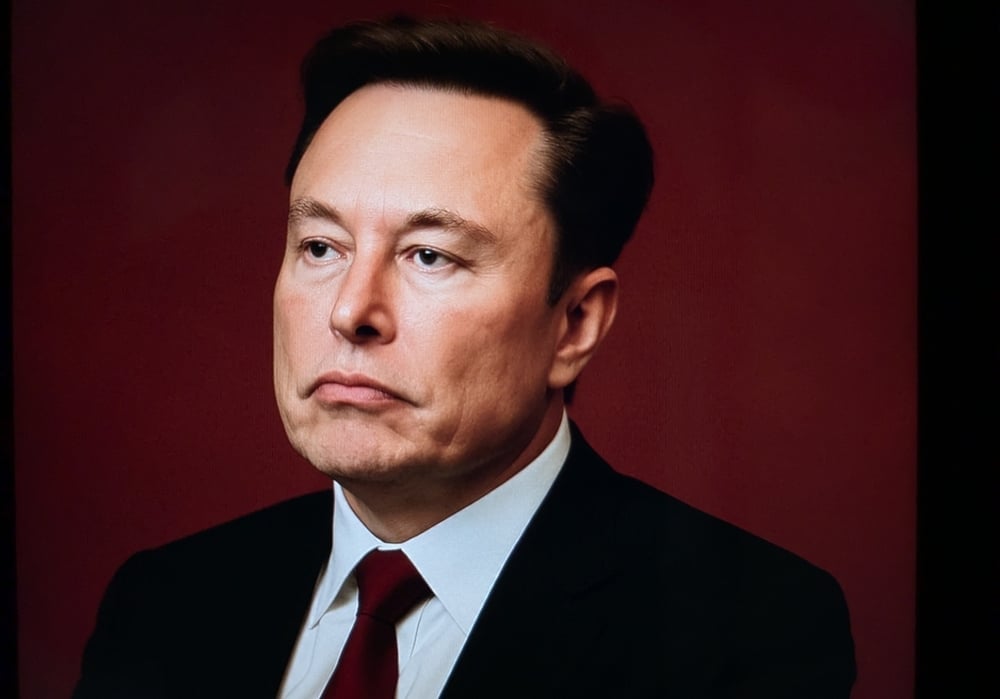
Elon Musk, the billionaire entrepreneur behind some of the world’s most influential companies, has seen a historic contraction in his personal wealth. Recent financial data indicates that Musk’s net worth has plummeted by approximately $601 billion from its summer peak. This massive decline highlights the volatility currently surrounding his primary business ventures, Tesla and SpaceX, as both companies grapple with shifting market sentiment and internal financial pressures.
What happened
According to recent Bloomberg data, Musk’s net worth reached a staggering high of $1.32 trillion in June. However, that figure has since retreated to roughly $719 billion. To put this loss into perspective, the $601 billion erased from his portfolio exceeds the combined total net worth of Google co-founders Larry Page and Sergey Brin.
The primary drivers of this decline are the cooling valuations of his two most prominent assets. SpaceX has seen its stock price fall from a record $225 to approximately $110, effectively cutting its market capitalization in half from $3 trillion to $1.53 trillion. Simultaneously, Tesla’s stock has faced significant downward pressure following its second-quarter earnings report. Although the electric vehicle manufacturer reported double-digit revenue growth, investors were spooked by narrowing gross margins and the fact that its free cash flow has turned negative.
Context
The downturn in Musk’s fortunes is not happening in a vacuum. SpaceX, which has long been the darling of the private aerospace sector, is facing increased scrutiny as it prepares for its first earnings report since going public. Investors are anticipating a surge in spending related to the company’s burgeoning artificial intelligence initiatives. Furthermore, competition in the sector is heating up; Rocket Lab recently secured a $266 million contract with the Pentagon and is acquiring Iridium, a move that could directly challenge the dominance of SpaceX’s Starlink satellite network.
Tesla’s situation is equally complex. The company remains one of the most highly valued entities on the market, but critics argue its valuation is detached from reality. Tesla currently trades at a forward price-to-earnings (P/E) ratio of 174, which dwarfs the consumer discretionary sector median of 15. This multiple is significantly higher than other high-growth technology leaders like Nvidia and Micron. With Tesla planning to commit $25 billion to capital expenditures this year, the pressure to maintain profitability while funding innovation is mounting.
Why it matters
The erosion of Musk’s net worth reflects a broader market recalibration of high-growth technology stocks. For years, Tesla and SpaceX have commanded premium valuations based on the promise of future disruption. However, as Morningstar recently noted, some analysts believe SpaceX’s true value should be under $800 billion when measured against actual revenue and profitability metrics rather than speculative potential.
This period of volatility marks a critical juncture for Musk’s empire. As the “IPO honeymoon” phase ends for several major tech players and competition intensifies in both the EV and aerospace sectors, the focus is shifting from visionary promises to concrete financial performance. The upcoming earnings reports and the success of heavy capital investments in AI and infrastructure will likely determine whether Musk can recover these losses or if the era of trillion-dollar valuations has reached a permanent ceiling.