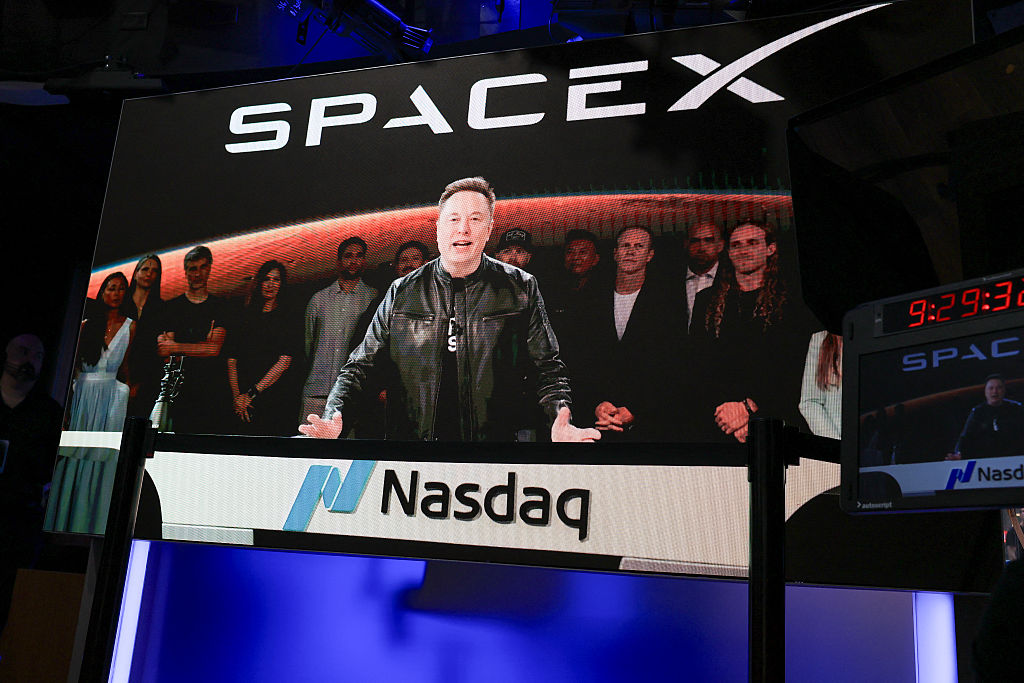
The business empire led by Elon Musk is navigating a period of intense financial turbulence as its two primary pillars, Tesla and SpaceX, face a massive contraction in market value. A recent selloff has effectively erased a combined $1.5 trillion in valuation, leaving investors on edge. As the market processes these losses, attention is shifting toward SpaceX, which is approaching a critical juncture involving a high-stakes quarterly report and the potential for significant insider selling.
What happened
In the span of just a few weeks, the market capitalization of Musk’s flagship companies has plummeted. SpaceX has seen its shares drop by nearly 50% since reaching a peak in mid-June, while Tesla has retreated approximately 18% following its latest earnings release. This dual decline has resulted in a staggering loss of $1.5 trillion in total value across both entities.
The focus now turns to two major events scheduled for the coming week. First, SpaceX is set to release its quarterly financial performance on Tuesday. Just 48 hours later, a lockup period—which prevents certain insiders from selling their holdings—is scheduled to expire. This expiration will grant employees and early investors the opportunity to liquidate their positions, potentially flooding the market with hundreds of millions of shares.
Context
Market analysts are highlighting the extraordinary volatility surrounding SpaceX shares. Implied volatility for the stock has climbed to 122%, a figure that surpasses nearly every company currently listed in the S&P 500. For contracts expiring in early August, that figure reaches as high as 160%. By comparison, Tesla’s implied volatility sits much lower, at roughly 52%.
The expiration of the lockup period is particularly notable because of its scale. Approximately 900 million shares, representing about 20% of the total eligible locked-up stock, could be eligible for trading once the restrictions are lifted. While typical public companies enforce a 180-day waiting period for insiders, SpaceX’s unique structure allows for a faster exit post-earnings.
Investor sentiment appears divided along institutional and retail lines. Retail traders remain largely optimistic, with data showing a heavy preference for bullish call options over bearish put options. Meanwhile, institutional investors are adopting a more cautious stance. Rather than betting on an immediate post-earnings spike, larger traders appear to be positioning for a more gradual, long-term recovery, focusing on options that expire several months down the line.
Why it matters
This upcoming week represents a significant stress test for SpaceX and the broader Musk ecosystem. The sheer volume of shares that could potentially hit the market creates a “perfect storm” of uncertainty. While implied volatility usually drops after a company reports earnings, the looming lockup expiration means that the period of instability could be prolonged as the market waits to see if insiders will hold or sell.
The $1.5 trillion loss in valuation highlights the extreme sensitivity of these companies to investor sentiment and broader economic shifts. If SpaceX can deliver strong earnings and maintain price stability despite the potential for insider selling, it could restore confidence in Musk’s vision. Conversely, a mass exodus of insider capital combined with a disappointing report could signal deeper concerns about the sustainability of current valuations in the private and public markets. For now, the financial world is watching closely to see if Musk’s empire can find its footing or if the decline will continue.