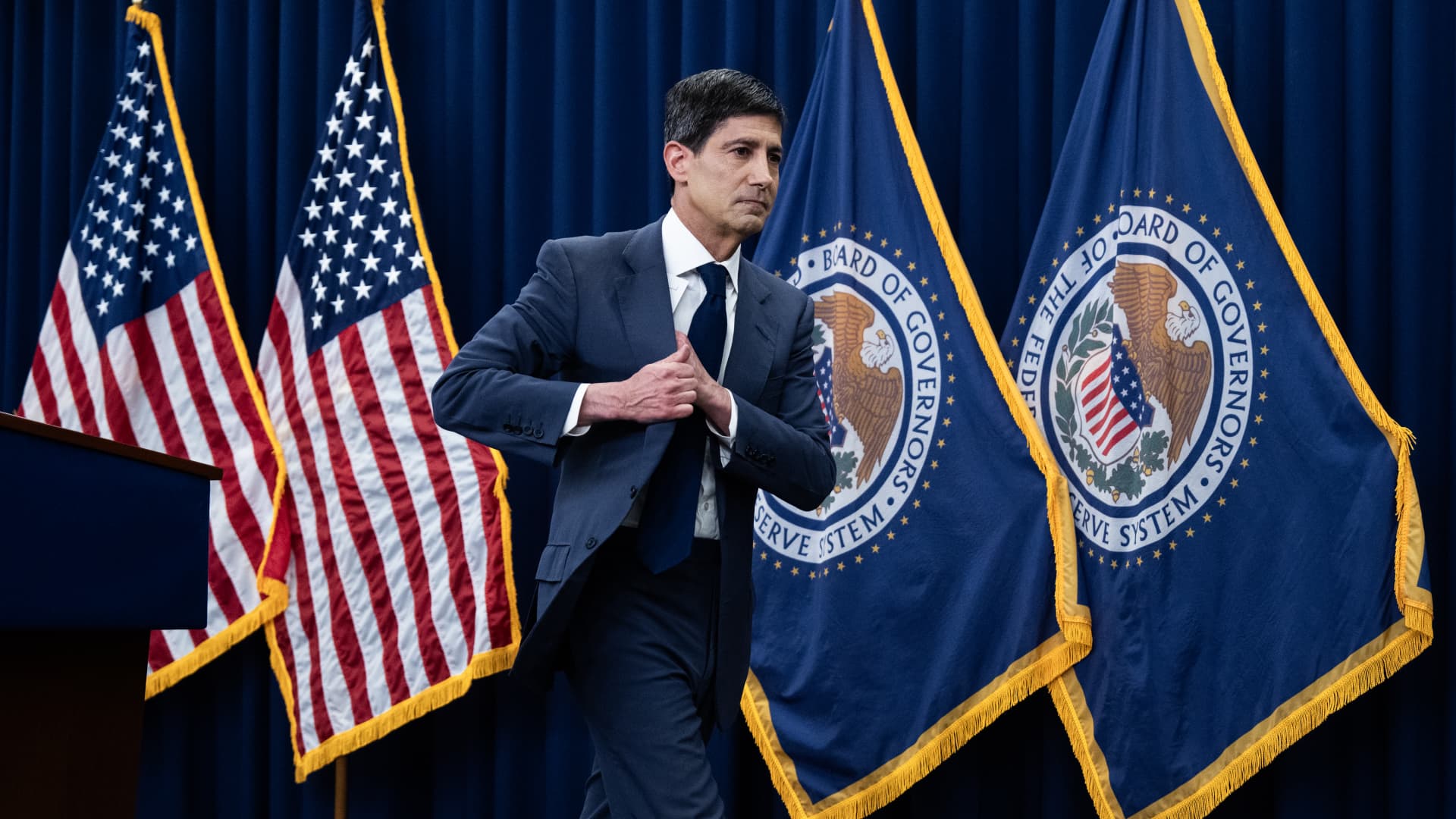
The Federal Reserve is widely anticipated to maintain current interest rate levels following its policy meeting this July. While recent data suggests a cooling in inflationary pressures, a combination of rising energy costs and heightened geopolitical instability in the Middle East has created a complex environment for central bank officials. Financial markets are now looking toward the end of the third quarter for any potential shifts in monetary policy.
What happened
Market analysts and traders have largely adjusted their expectations, signaling that a rate change during this week’s meeting is unlikely. According to the CME Group’s FedWatch tool, the consensus suggests that the Fed will opt for a pause, potentially revisiting a rate cut in September instead. This shift in sentiment comes despite a surprising dip in the Consumer Price Index (CPI), which saw the annual inflation rate retreat to 3.5% in June.
However, the benefit of cooler inflation data has been tempered by a recent surge in oil prices. Renewed tensions between the United States and Iran have injected volatility into the energy sector, raising concerns that price stability may still be out of reach. For Fed Chairman Kevin Warsh, these conflicting signals suggest that the path toward the central bank’s 2% inflation target remains fraught with obstacles.
Context
The Federal Reserve’s benchmark interest rate serves as a primary lever for the American economy, influencing the cost at which banks lend to one another overnight. This rate, in turn, dictates the interest consumers pay on everything from credit cards to personal loans. Historically, the Fed raises rates to combat inflation by cooling economic activity and lowers them to stimulate growth during downturns.
The current atmosphere is further complicated by political pressure. While the administration has expressed a desire for lower borrowing costs to bolster economic momentum, economists suggest that the Fed’s commitment to price stability may lead to a standoff. Maintaining independence is a core tenet of the central bank, and current indicators suggest that Chairman Warsh is unlikely to yield to external demands for a rate cut until the data clearly supports such a move. Furthermore, the bond market continues to play a significant role in consumer costs; the 10-year Treasury note yield recently climbed, which exerts upward pressure on long-term lending regardless of immediate Fed action.
Why it matters
For the average consumer, the decision to hold rates steady means that the high-interest-rate environment of the last few years is not going away just yet. The impact is felt across several sectors:
Housing and Mortgages: Long-term lending, such as 15- and 30-year fixed mortgages, remains closely tied to the 10-year Treasury yield. Currently, mortgage rates are hovering just above 6.5%. Experts note that while inflation is slowing, the risks associated with the global oil market are keeping these rates elevated, making homeownership a continued challenge for many.
Consumer Debt: Most credit cards carry variable interest rates that track the Fed’s benchmark. With no rate cut in sight for July, average APRs—which currently sit near 23.79%—will likely remain at these record highs. Similarly, auto loan costs remain high, forcing many buyers to take on longer-term debt to manage monthly payments.
Education and Savings: While existing federal student loans are fixed, new borrowers will see higher rates this year following the latest Treasury auctions. On a more positive note, the high-rate environment continues to benefit savers. Yields on savings accounts and certificates of deposit (CDs) remain at their most attractive levels in years, providing a silver lining for those with capital to preserve.
Ultimately, while the Fed is hitting a pause button this July, the ripple effects of their “higher-for-longer” stance continue to shape the financial reality for American households. Consistently high energy prices and global instability suggest that the era of cheap borrowing is not returning in the immediate future.