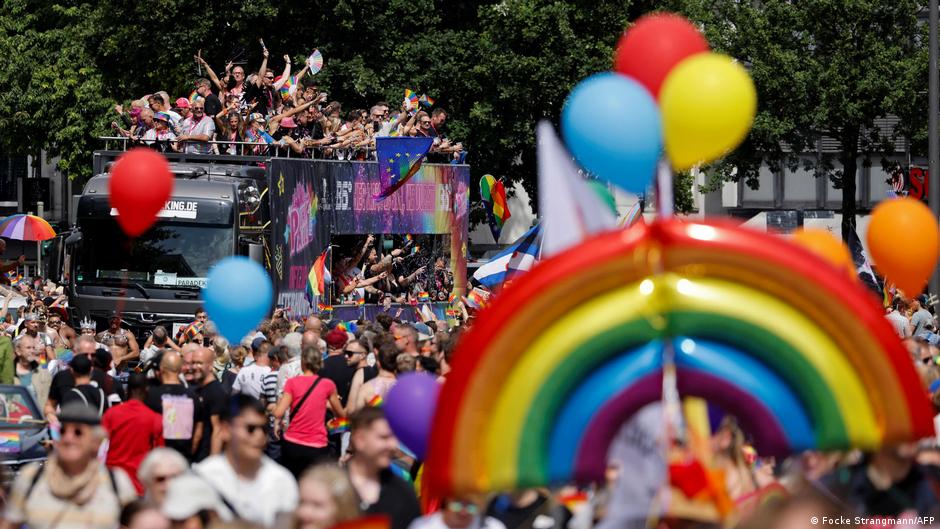
Germany navigated a weekend defined by a mix of celebration, civil unrest, and diplomatic tension. While thousands took to the streets to advocate for LGBTQ+ rights under heavy police presence, the government faced domestic backlash over its deportation strategies. Simultaneously, high-ranking officials called for continental solidarity as migration challenges at the European Union’s borders threatened to create new rifts between member states.
What happened
In Hamburg, the annual Pride parade proceeded with significantly heightened security measures. This cautious approach follows a tragic incident in Berlin just one week prior, where a 21-year-old individual drove a van into a crowd of participants, resulting in one death and nearly 30 injuries. Despite the looming shadow of that attack, turnout remained high as participants expressed resilience.
On the policy front, German authorities executed a controversial deportation, sending a man with no prior criminal record back to Kabul, Afghanistan. This move represents a notable shift in procedure and sparked immediate resistance. Approximately 260 activists organized a demonstration within an airport departure hall to protest the decision, requiring a police escort to manage the situation.
Furthermore, German Vice Chancellor and Finance Minister Lars Klingbeil addressed the ongoing migration crisis in Ceuta, Spain’s North African exclave. Following a massive influx of migrants crossing from Morocco, Klingbeil urged European nations to remain united. This call for cohesion comes at a time of friction, as Italy recently moved to suspend the Schengen agreement with Spain for one month in response to the border surge.
Additionally, emergency services in Bavaria have been struggling to contain a major forest fire that remains out of control, adding an environmental crisis to the weekend’s challenges.
Context
The security situation at Pride events highlights a growing concern regarding targeted violence against public gatherings in Germany. The Berlin attack served as a catalyst for a nationwide re-evaluation of how large-scale cultural events are protected. By maintaining a visible police presence in Hamburg, authorities aimed to reassure the public while allowing democratic expression to continue.
The deportation to Kabul is particularly significant because it marks a precedent-setting departure from previous norms, which typically prioritized the removal of individuals with criminal histories. By deporting a person without a record, the government has signaled a more stringent interpretation of residency and asylum laws, leading to friction with anti-racism alliances and human rights advocates who argue that Afghanistan remains too unstable for such returns.
In the Mediterranean, the situation in Ceuta has become a flashpoint for EU migration policy. The rapid entry of tens of thousands of people into Spanish territory has been characterized by some officials as a geopolitical tool used to pressure the European Union. While Spain has moved quickly to restore order and facilitate returns to Morocco, the diplomatic fallout—exemplified by Italy’s suspension of border-free travel with Spain—shows how easily internal EU agreements can be strained by external migration pressures.
Why it matters
These events underscore the delicate balance Germany must maintain between ensuring public safety, upholding human rights, and managing its role within the European Union. The resilience of the Pride movement shows a refusal to be intimidated by extremist violence, yet the necessity of heavy security suggests a “new normal” for public festivities.
The shift in deportation tactics suggests a tightening of immigration policy that could have long-term legal and social implications. If the government continues to deport non-criminals to volatile regions, it may face increasing legal challenges and civil disobedience from advocacy groups.
Finally, the tension over the Ceuta crisis reveals the fragility of European unity. Vice Chancellor Klingbeil’s warning that Europe must not allow itself to be divided is a direct response to the risk of “Schengen erosion.” If member states continue to respond to migration surges with unilateral border closures, the fundamental principle of free movement within the EU could be at risk. This weekend’s developments serve as a reminder that local incidents in Germany are often deeply intertwined with broader continental stability.