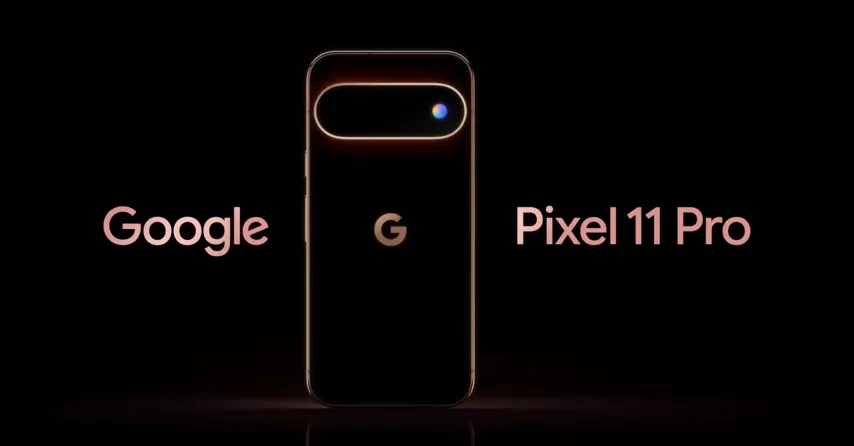
Google is preparing for its upcoming “Made by Google” event with a strategy that leans heavily into entertainment and pop culture. While the presentation appears designed to capture the attention of the general public through celebrity endorsements and high-production value, the hardware itself tells a different story. Beneath the Hollywood glitz, the Pixel 11 series—specifically the Pro model—seems to be reintroducing features that cater directly to the tech-savvy “power users” who have followed the brand since its inception.
What happened
The upcoming Made by Google 2026 event is set to be a star-studded affair. Moving away from traditional, spec-heavy keynotes, Google has enlisted comedian Trevor Noah to host a livestream featuring a diverse lineup of celebrities, including NBA superstar Stephen Curry, podcaster Alex Cooper, and DJ Peggy Gou. This shift follows the template set by the previous year’s Pixel 10 launch, which featured Jimmy Fallon and saw a massive jump in viewership from 1.4 million to 8.4 million.
Interestingly, the event schedule suggests that the presentation is more about brand building than breaking news. Pre-orders on the Google Store are expected to open hours before the livestream even begins. This implies that while the general public watches the celebrity skits, the core fanbase will likely have already analyzed the official spec sheets and placed their orders. Among the most anticipated reveals is a hardware feature spotted in early teasers: a dedicated notification light integrated into the Pixel 11 Pro’s camera island.
Context
The reintroduction of a notification LED is a significant nod to Google’s hardware history. For years, notification lights were a staple of the Nexus line and early Pixel devices, allowing users to check their phone’s status without waking the screen. However, as “Always-On Display” technology became the industry standard, physical LEDs were phased out across the market. Google last featured a prominent notification light on the Pixel 2 in 2017 before retiring the concept.
In recent years, only a few manufacturers have experimented with rear-mounted lighting. Most notably, the company Nothing has built its entire brand identity around the “Glyph” interface—a series of LED strips on the back of the phone that relay information through light patterns. By placing a light within the camera module of the Pixel 11 Pro, Google appears to be reclaiming a piece of its enthusiast heritage, potentially offering a tool that can be customized for specific alerts or charging statuses.
Why it matters
This dual-track strategy reveals how Google intends to compete in a saturated smartphone market. By turning its launch events into “celebrity livestreams,” the company is successfully reaching a mainstream audience that might otherwise ignore a technical briefing. This approach builds the kind of cultural relevance necessary to challenge the dominance of the iPhone.
However, Google understands that it cannot afford to alienate its core enthusiast base. The inclusion of a physical notification light is a strategic move to keep power users engaged. For those who miss the high level of customization found in early Android builds, a dedicated hardware light offers utility that software-based notifications cannot always match. It suggests that while Google’s marketing has gone mainstream, its engineering team is still focused on the small, functional details that define the “pro” experience. By balancing mass-market appeal with enthusiast-grade features, Google is attempting to turn the Pixel into a device that satisfies both the casual buyer and the hardcore tech fan.