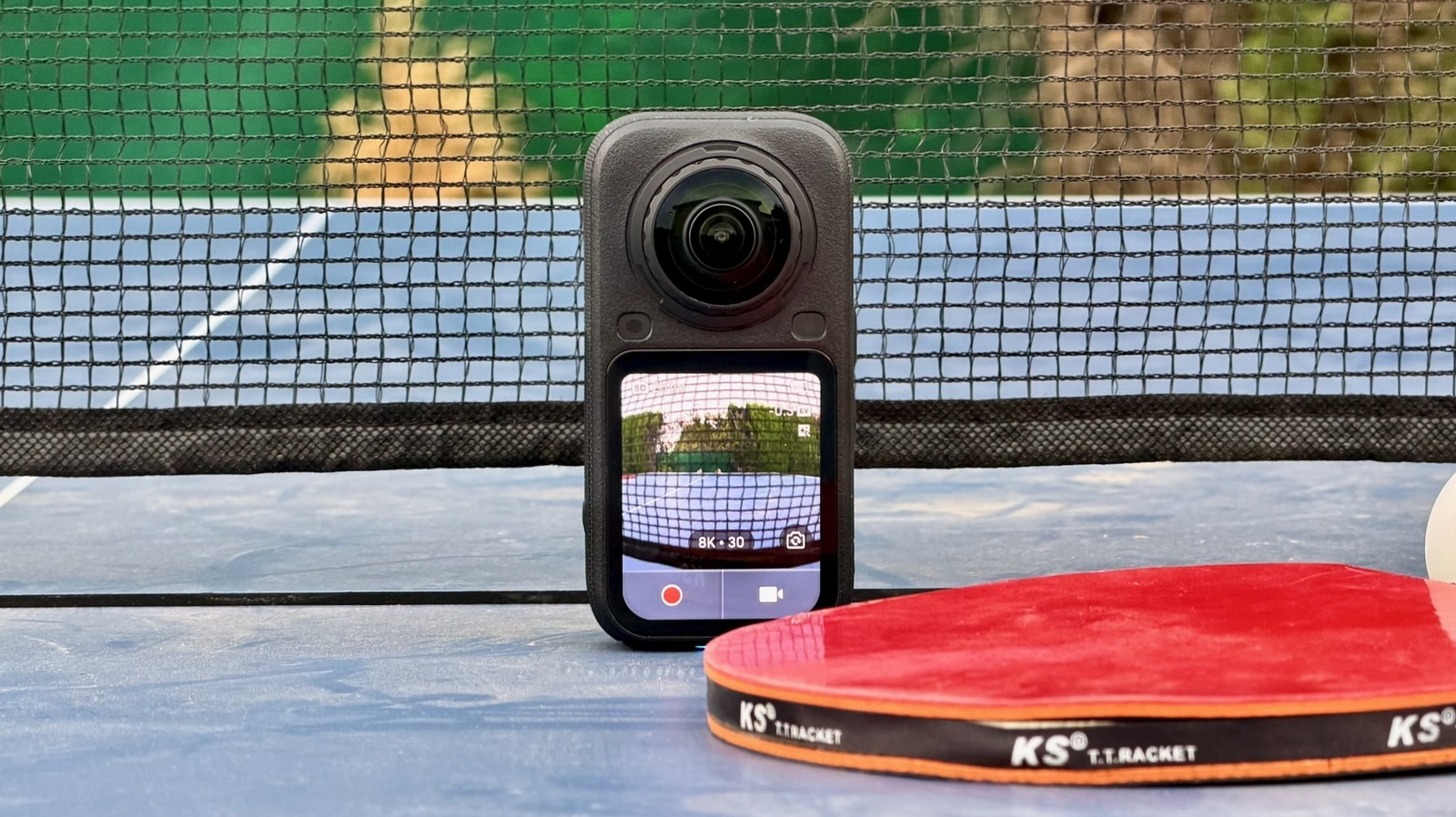
Insta360 has long been a dominant force in the action camera market, but the company’s latest flagship marks a significant return to its roots in spherical imaging. The newly unveiled X6 is a high-performance 360-degree camera designed to appeal to both casual social media creators and professional filmmakers. By blending rugged hardware with sophisticated internal processing, the X6 aims to move 360-degree video out of the niche world of virtual reality and into the mainstream of high-end content production.
What happened
The Insta360 X6 arrives with a $700 price tag and a redesigned chassis that is shorter and wider than its predecessor, the X5. This shift in form factor accommodates a larger 2.32-inch OLED touchscreen, which provides better clarity for menu navigation and shot framing. Beyond the exterior, the camera features a substantial sensor upgrade to a 1/1.1-inch unit, which the company describes as a 1-inch equivalent.
This hardware allows for 8K video recording at 50 frames per second in 360 mode, and 4K video at 120 frames per second when using it as a traditional single-lens action camera. For those focused on still photography, the device can capture 120-megapixel spherical photos. Under the hood, the X6 is powered by a “Triple AI chip system” designed to handle the heavy processing required for high-resolution footage and the device’s new suite of automated editing tools.
Context
The release of the X6 comes at a time when competition in the action camera space is intensifying. Brands like DJI and GoPro have pushed the boundaries of stabilization and image quality, forcing 360-degree cameras to evolve. Previously, these devices were often criticized for subpar image quality when “punched out” into standard flat video formats. By moving to 8K, Insta360 ensures that the cropped, flat exports maintain a high-definition 4K look.
Furthermore, the X6 integrates deeper into the professional workflow than previous models. It supports 10-bit color and an i-Log shooting mode, alongside Dolby Vision support. This allows editors to color grade footage with greater flexibility in post-production. The camera also expands the Insta360 ecosystem, offering direct compatibility with the Mic Pro and specialized head-tracking accessories without the need for external receivers.
Why it matters
The X6 represents a narrowing gap between specialized VR equipment and everyday action cameras. For creators, the “shoot first, point later” workflow of 360 cameras is a massive advantage, but it has historically come with sacrifices in resolution. The X6 effectively mitigates these concerns with its superior sensor and higher frame rates, outperforming rivals like the GoPro Max 2 in early testing regarding color accuracy and edge-to-edge sharpness.
However, the device also highlights the ongoing challenges of the medium. Despite the hardware improvements, “stitch lines”—the visible seams where the two lens views meet—remain a hurdle when subjects are too close to the device. Additionally, while the new AI-powered “AI Director” and “Auto Edit 2.0” features offer a head start for social media sharing, they still require a human touch to produce truly compelling narratives. For the modern filmmaker, the X6 isn’t just a gimmick; it is a rugged, high-resolution tool that offers stabilization and perspectives that traditional cameras simply cannot replicate, provided the user is willing to manage the inherent fragility of dual protruding lenses.