The prospect of a lasting peace between the United States and Iran has dimmed significantly as Tehran announced a transition to a “fully offensive” military strategy. This shift follows the expiration of a temporary ceasefire and the breakdown of negotiations intended to permanently resolve a conflict that has gripped the region since early this year. With Washington formally ruling out an extension of the current truce, the risk of a renewed and intensified military confrontation has reached a critical juncture.
What happened
On Monday, a senior Iranian official confirmed that the nation’s military would move into an aggressive stance, citing the stagnation of peace talks. The transition comes as the 60-day window established by a June memorandum of understanding (MoU) closed without a final agreement. U.S. President Donald Trump explicitly stated that his administration is not seeking to prolong the interim deal, effectively ending the pause in hostilities.
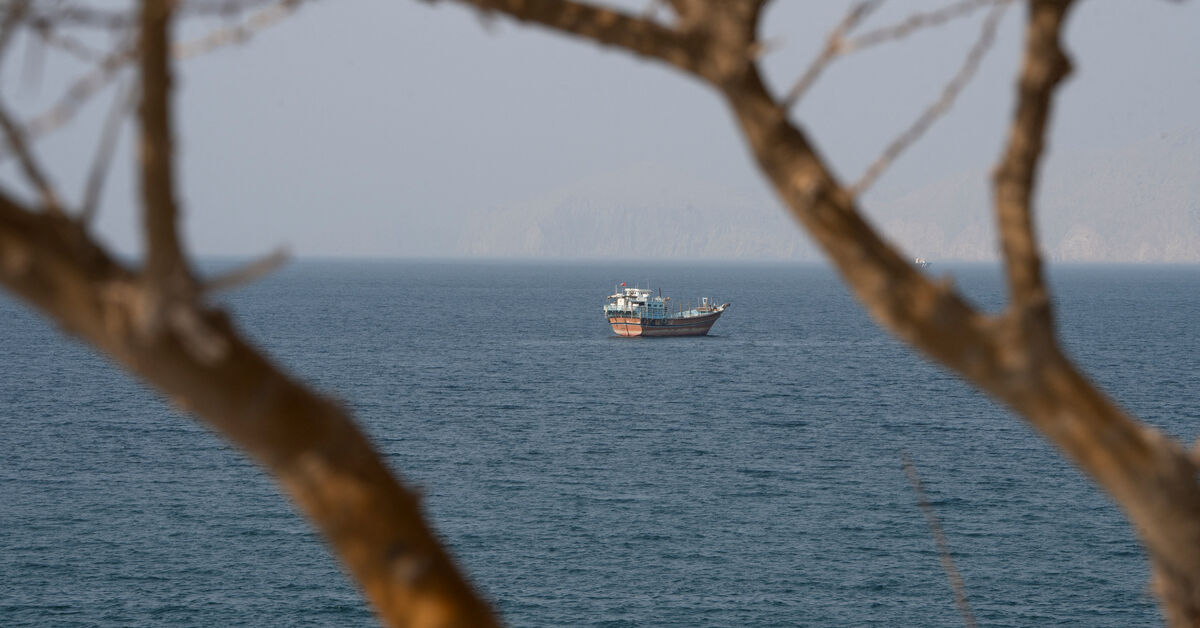
Central to this escalation is the naval blockade currently impacting Iran. Tehran has warned that it is prepared to launch “timely and precise” military operations to break the U.S. maritime restrictions if diplomatic avenues remain closed. Iranian officials emphasized that their forces are ready to escalate tensions within the Strait of Hormuz—a vital artery for global energy supplies—and the surrounding region to protect their national interests.
Context
The current conflict traces back to February 28, when the United States and Israel launched a series of attacks on Iranian targets. While a memorandum signed on June 17 provided a temporary reprieve and set a framework for addressing U.S. sanctions and Iran’s nuclear program, the agreement proved fragile. The primary point of contention involves “Point 5” of the MoU, which concerns the management of the Strait of Hormuz. Iran claims the right to oversee the waterway, a position the U.S. and its regional allies, including Oman, flatly reject.
Despite the public posturing, there are signs of behind-the-scenes maneuvering. Reports suggest the Trump administration has utilized back-channels to communicate with the Islamic Revolutionary Guard Corps (IRGC). This reportedly included a dialogue facilitated by former Director of National Intelligence Tulsi Gabbard and an Iraqi Kurdish intermediary to reach IRGC commander General Ahmad Vahidi. While Jared Kushner, a special envoy for the administration, described current communications between the two governments as “robust,” these diplomatic efforts have yet to produce a breakthrough on the ground.
Why it matters
The collapse of the ceasefire carries profound implications for global stability and the international economy. The Strait of Hormuz is the world’s most important oil transit chokepoint; prior to the conflict, it handled approximately 20% of the world’s petroleum and liquefied natural gas. Any resumption of hostilities or Iranian efforts to disrupt shipping routes could lead to a massive spike in global energy prices and supply chain volatility.
Furthermore, the internal situation in Iran adds a layer of volatility. While the leadership projects a narrative of military defiance, officials are reportedly concerned about the domestic impact of continued conflict. Prolonged economic sanctions and the threat of further financial punishment risk igniting internal unrest and challenging the legitimacy of the government. As the U.S. maintains its hardline stance and Iran pivots to an offensive footing, the region remains on the brink of a much larger, more destructive engagement.