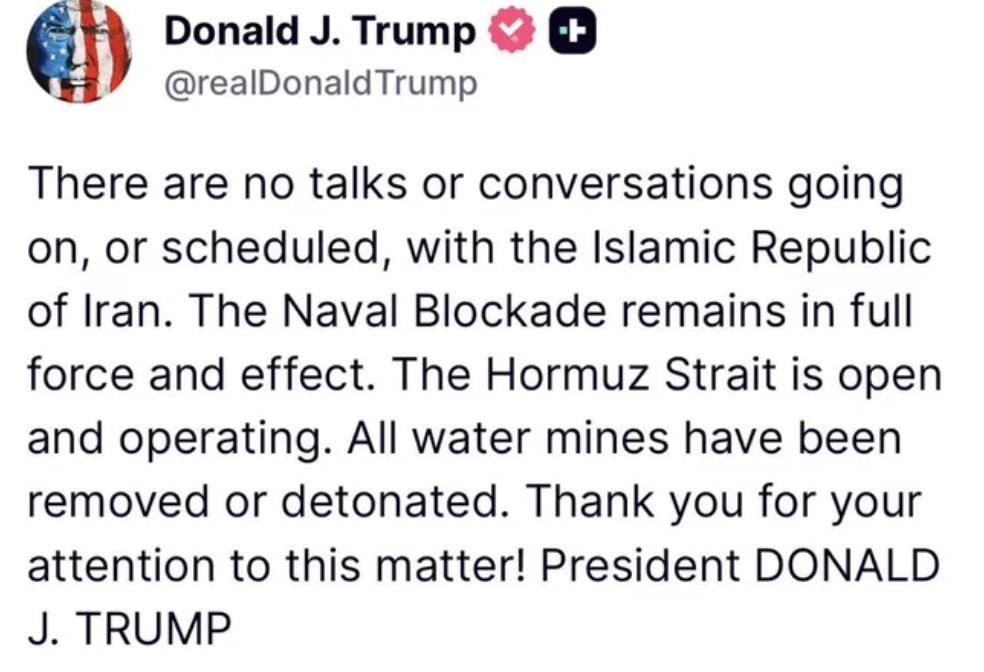
The geopolitical landscape in the Middle East is shifting rapidly as regional hostilities expand and global financial markets show signs of significant distress. What was expected to be a quiet summer period has instead transformed into a period of intense volatility, driven by escalating threats from Iran and a potential pivot in United States military strategy. As kinetic actions intensify, the intersection of warfare and economic instability is creating a precarious environment for international security.
What happened
Iran has significantly escalated its stance by announcing the full closure of the Strait of Hormuz, a critical chokepoint for global oil transit. This move is accompanied by increasingly aggressive rhetoric directed at Europe and warnings of a ferocious response to any potential nuclear threats. Simultaneously, the regional conflict is broadening; the Saudi-Ansar Allah clash in Yemen is intensifying, and Israel recently conducted an airstrike against a Syrian airbase where Turkish forces were reportedly stationed.
On the domestic front, reports suggest the Pentagon is currently evaluating its long-term military presence in the Middle East. Internal discussions indicate that the U.S. may be considering a substantial withdrawal from the Persian Gulf. This consideration follows months of persistent strikes against American overseas bases, which have sustained enough damage to prompt a reevaluation of U.S. footprint in the region. While Defense Secretary Pete Hegseth has not yet ordered a formal review, leaks from the Pentagon suggest a deepening divide between those favoring intervention and those advocating for a retreat to focus on domestic defense or threats from China.
Context
The current escalation occurs against a backdrop of complex political and economic stressors. Within the U.S., political maneuvers are contributing to an atmosphere of unpredictability, while in Israel, Prime Minister Netanyahu faces upcoming October elections that may influence his administration’s military decisions. The specific targeting of areas with Turkish ties by Israel suggests a possible expansion of the theater of war, as some analysts believe Israel is looking beyond Iran toward other regional powers.
Economically, the situation is equally grim. Global markets are exhibiting extreme nervousness as government bond interest rates climb. Financial experts are sounding alarms over a potential implosion of the “AI bubble,” which has sustained market growth for the past year. These warnings suggest that the world may be on the precipice of a financial crisis that some suggest could rival or exceed the severity of the Great Depression.
Why it matters
The convergence of a major regional war and a global financial downturn carries profound implications. The closure of the Strait of Hormuz threatens to disrupt global energy supplies, which would further exacerbate inflationary pressures and market instability. If the U.S. follows through with a military drawdown in the Gulf, it could leave long-term allies, such as Saudi Arabia, vulnerable and forced to seek new security partnerships or accelerate their own domestic military capabilities—a process that could take years.
Furthermore, the potential for a “kinetic” escalation involving Turkey adds a dangerous new layer to the conflict. As the U.S. weighs its commitment to the region against its desire to pivot toward the Indo-Pacific, the resulting power vacuum could embolden regional actors to take more aggressive stances. For investors and policymakers, the primary concern is that the current trajectory of military escalation and fiscal fragility is narrowing the window for a peaceful or stable resolution, making a wider regional war and a systemic economic shock increasingly likely.