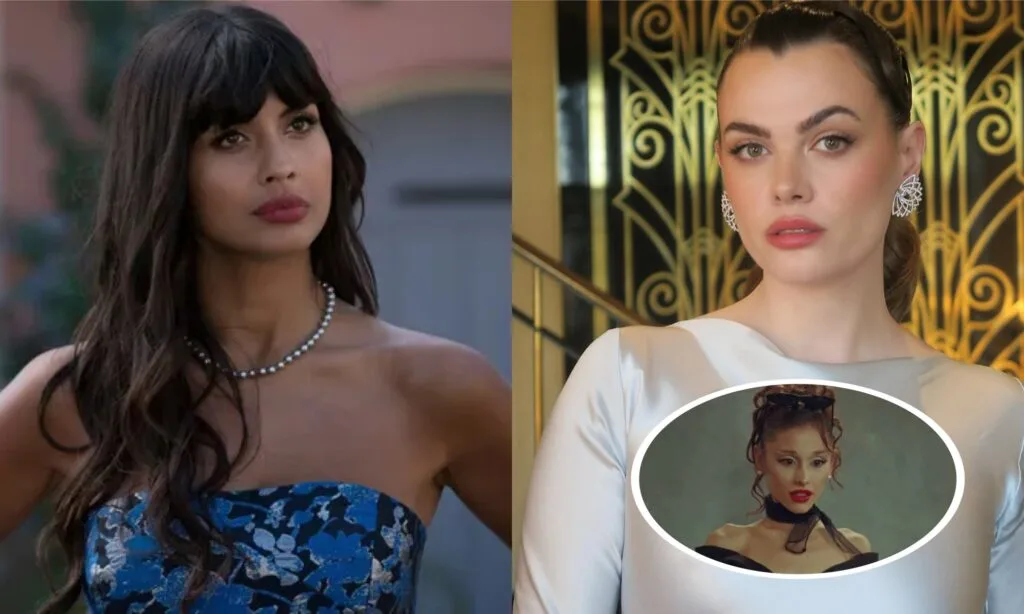
The release of Ariana Grande’s latest music video, “Petal,” has sparked a heated public debate that extends far beyond the music itself. Prominent figures Charli Howard and Jameela Jamil have publicly criticized the singer’s management, label, and family, accusing them of negligence regarding the artist’s wellbeing. The controversy centers on Grande’s physical appearance in the video and the potential psychological impact such imagery may have on a vulnerable young audience.
What happened
On July 31, Ariana Grande premiered “Petal,” the title track from her eighth studio album. The video, filmed using the 1950s-era VistaVision cinematic format, features Grande as an aspiring performer named Pepper who eventually revolts against a panel of dismissive studio executives. However, the artistic direction has been overshadowed by public concern regarding Grande’s health.
Model Charli Howard, a vocal advocate for eating disorder recovery, addressed the video in a detailed Instagram post. She argued that the imagery presented is “not normal” and suggested that the teams surrounding the singer are enabling a potential health crisis for commercial gain. Howard specifically called for the video to be pulled from circulation. Similarly, actress and activist Jameela Jamil echoed these sentiments in a comment that has since been deleted, stating that the styling of the video appeared intentionally designed to accentuate the singer’s thinness, creating a “deeply damaging” image for fans to consume.
Context
This backlash follows a period of mounting social media discourse regarding the singer’s physical transformation. While some fans have defended Grande, suggesting her change in appearance is a natural progression, others have expressed significant worry. Howard’s critique is rooted in her personal history with eating disorder recovery; she noted that even after years of therapy, seeing such imagery can trigger harmful thoughts about weight and self-worth.
Howard expressed disappointment that despite the hundreds of professionals involved in approving a high-budget music video, no one intervened. She emphasized that the industry has a moral obligation to protect its artists rather than capitalizing on their struggles. The comparison was also made to the “heroin chic” aesthetic of the early 2000s, a period Howard and Jamil argue should not be repeated in modern pop culture.
Why it matters
The core of this criticism lies in the ethical responsibility of an artist’s support system. Howard and Jamil are not merely commenting on an individual’s body; they are questioning the systemic failures of the music industry. By highlighting the role of management and labels, the critics are drawing attention to how the “glamorization” of extreme thinness can influence public health.
When a major global superstar releases content, it sets a standard for millions of young viewers. If that content is perceived as promoting an unhealthy lifestyle, it can have a ripple effect on the mental health of fans worldwide. This situation serves as a reminder of the ongoing tension between artistic expression and the duty of care that industry giants owe to both their artists and their audience. The outcry from Howard and Jamil underscores a growing demand for transparency and health-conscious leadership within the entertainment world.