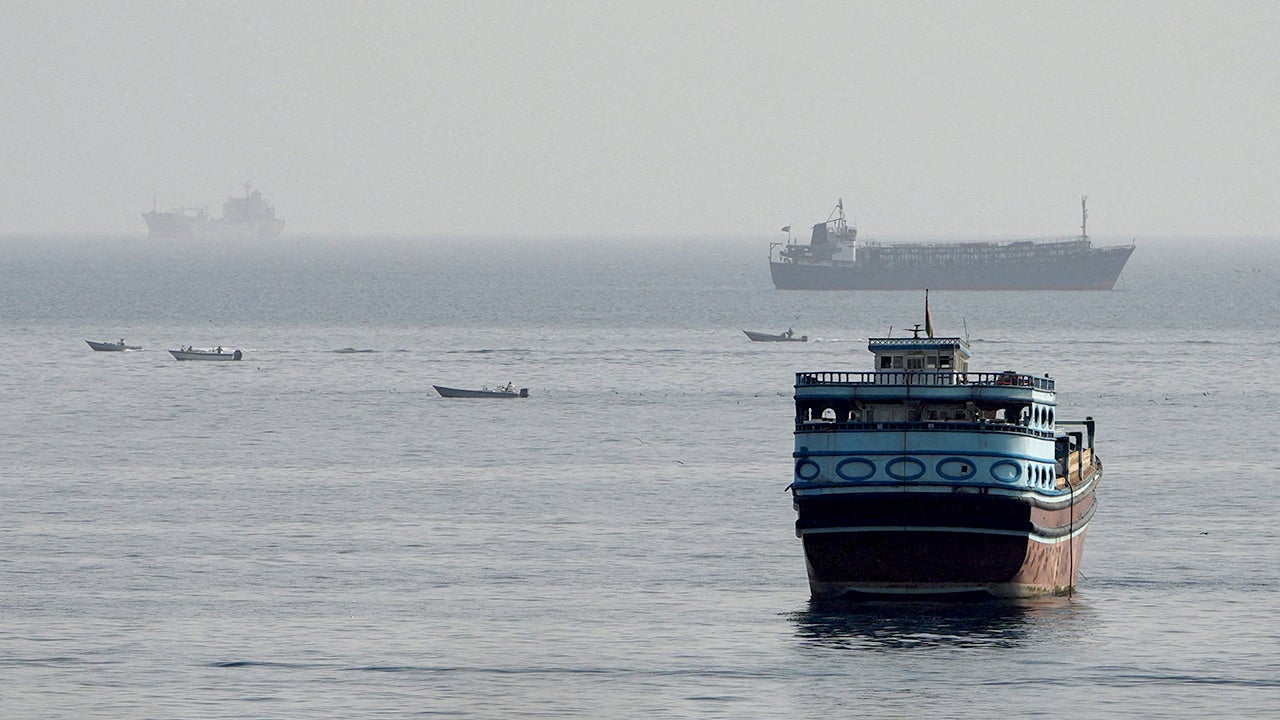
Vice President JD Vance recently characterized the ongoing conflict between the United States and Iran as being in the “middle of the game,” suggesting that the administration’s strategy is still unfolding. Speaking on the current state of tensions, Vance noted that the U.S. is employing a diverse array of diplomatic, economic, and military assets to ensure a favorable outcome for American interests. While negotiations continue, the situation remains fluid, particularly regarding the status of the Strait of Hormuz, a critical artery for global energy supplies.
What happened
The Trump administration is currently navigating a complex standoff with Tehran that involves both direct negotiations and aggressive enforcement of maritime blockades. Vice President Vance indicated that Iranian officials have signaled they do not currently intend to impose tolls on the Strait of Hormuz. However, this comes amid a period of intense friction where U.S. Central Command (CENTCOM) has already intervened significantly in the region. According to military reports, American forces have redirected 51 commercial ships as part of a renewed blockade targeting Iranian ports and coastal regions.
In response to the U.S. pressure, Iranian leadership has presented a rigorous list of demands for what they term “behavior correction.” Mohammad Baqer Zulqader, a high-ranking official with Iran’s Supreme National Security Council, stated that the Strait of Hormuz would remain closed until the United States meets several conditions. These requirements include the cessation of military actions against Iran and its regional allies in Lebanon, Iraq, Yemen, and the Palestinian territories. Furthermore, Tehran is demanding the lifting of the naval blockade, the withdrawal of American air and sea forces from the area, the removal of all sanctions, and the release of frozen assets. Iran is also seeking financial compensation for damages incurred during previous conflicts.
Context
The current escalation is not limited to maritime maneuvers. The U.S. State Department recently expanded its economic pressure campaign by blacklisting six entities and one individual. These parties are accused of facilitating the movement of illegal Iranian funds through digital assets, a move directly linked to Tehran’s recent interference with commercial shipping. This financial crackdown is part of the “host of tools” Vance mentioned, aimed at squeezing Iran’s ability to fund its regional proxies.
On the diplomatic front, the regional landscape is shifting. While Iranian Foreign Minister Seyed Abbas Araghchi has called for increased solidarity among Muslim nations against U.S. influence, new alliances are forming elsewhere. Turkey recently entered a mutual defense agreement with Saudi Arabia and Pakistan, a move that has already drawn warnings from Iran-backed Houthi rebels. This geopolitical realignment adds another layer of complexity to the Trump administration’s efforts to stabilize the region while maintaining pressure on Tehran.
Why it matters
The outcome of this “middle of the game” phase has profound implications for the global economy and international security. The Strait of Hormuz is one of the world’s most vital transit points for oil, and any prolonged disruption or the implementation of “tolls” by Iran could send energy prices soaring. While White House National Economic Council Director Kevin Hassett noted that current oil prices are only slightly inflated and performing better than many analysts feared, a total breakdown in negotiations could change that outlook rapidly.
Furthermore, the standoff tests the effectiveness of the administration’s “maximum pressure” tactics. By combining naval blockades with high-tech financial sanctions against digital assets, the U.S. is attempting to create a new model of containment. However, Iran’s extensive list of demands suggests that Tehran is dug in, seeking a total reset of the regional status quo. As both sides continue to maneuver, the stability of the Middle East hangs on whether these “tools” lead to a diplomatic breakthrough or a wider escalation.