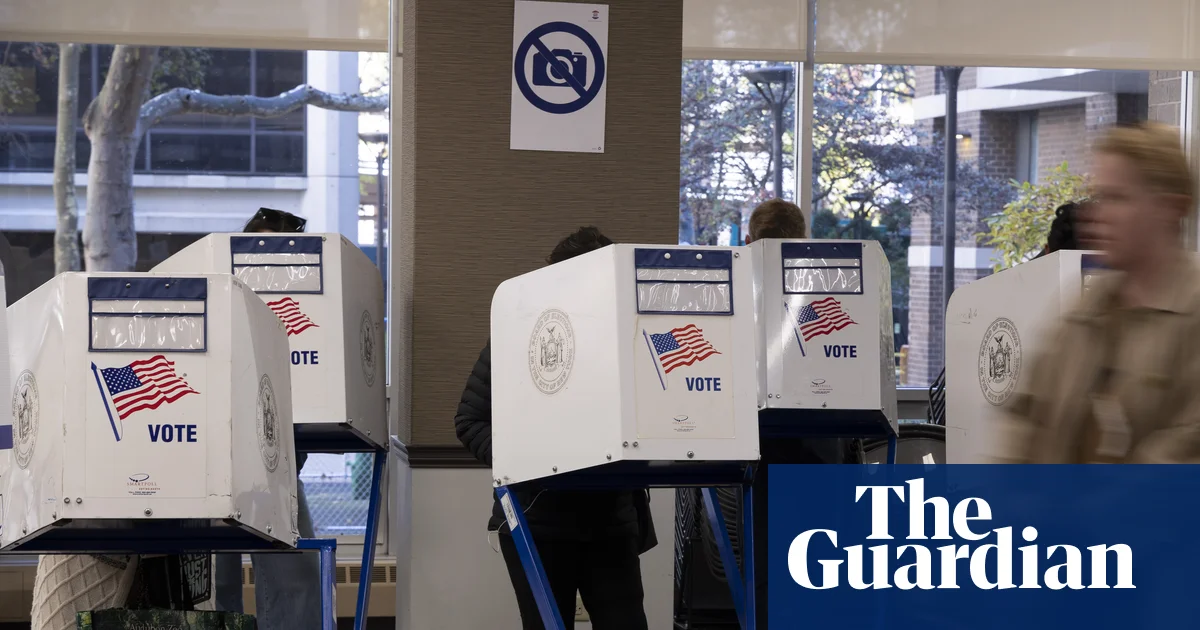
A coalition of prominent civil rights organizations has initiated legal action against the Trump administration, alleging that recent rhetoric and policy proposals regarding the monitoring of elections constitute illegal voter intimidation. The lawsuit, led by the NAACP, seeks to prevent the federal government from deploying law enforcement officers to polling locations during the upcoming midterm elections, arguing that such presence would create an atmosphere of fear and discourage participation in the democratic process.
What happened
The lawsuit, filed in federal court, claims that the administration has violated the Voting Rights Act by threatening to use federal agents to oversee election activities and by implementing aggressive new oversight of voter rolls. According to the plaintiffs, these actions are specifically designed to target and intimidate minority communities, including Black, Latino, and Asian American voters, as well as naturalized citizens.
In their complaint, the advocacy groups argue that the administration’s public statements regarding election security are not merely about procedural integrity but serve as a deterrent to keep marginalized groups away from the ballot box. They point to the administration’s focus on immigration enforcement and public claims regarding noncitizen voting as evidence of a broader strategy to influence the electorate through pressure.
Government representatives have pushed back against these allegations. Spokespeople for the Department of Homeland Security (DHS) and the Department of Justice (DOJ) have stated that there are no active plans to station armed agents at polling places. The DHS emphasized that immigration enforcement is based on intelligence and public safety threats rather than race or ethnicity, while DOJ officials characterized the accusations of planned federal deployment at polls as “fearmongering.”
Context
This legal challenge arises during a period of high political tension as the United States approaches a highly competitive midterm election cycle. The administration has frequently raised concerns about voter fraud and the eligibility of certain demographics, leading to the creation of a national voter eligibility list and increased scrutiny of registration rolls.
Existing federal law provides strict guidelines on this issue, explicitly prohibiting the placement of armed federal officers or members of the military at locations where elections are being conducted. While the administration maintains that it has not violated this statute, civil rights advocates argue that the mere threat of such a presence—combined with widespread immigration enforcement operations in minority neighborhoods—creates a psychological barrier for voters.
Furthermore, the lawsuit highlights a history of tension between the executive branch and voting rights advocates over the interpretation of the Voting Rights Act. The plaintiffs suggest that the administration’s focus on “voter integrity” is a thin veil for tactics that historically suppressed the voices of people of color and mixed-status families.
Why it matters
The outcome of this lawsuit could have a significant impact on how the federal government interacts with local election jurisdictions. At its core, the case examines the balance between federal oversight and the protection of individual voting rights. If the court finds that the administration’s rhetoric constitutes intimidation, it could set a precedent regarding how executive branch officials discuss election security.
For many communities, the presence of law enforcement at a civic site is not seen as a protective measure but as a barrier. Advocacy groups argue that when people are afraid that voting might lead to law enforcement encounters or immigration scrutiny, they are less likely to exercise their constitutional rights. This “chilling effect” can lead to lower turnout in specific districts, potentially shifting the results of close races.
Ultimately, the litigation underscores a fundamental debate in American politics: whether the greatest threat to democracy is fraudulent activity or the systemic barriers that prevent eligible citizens from casting their votes without fear. As the midterms approach, the resolution of this case will be a critical indicator of the legal boundaries surrounding executive influence over the electoral process.