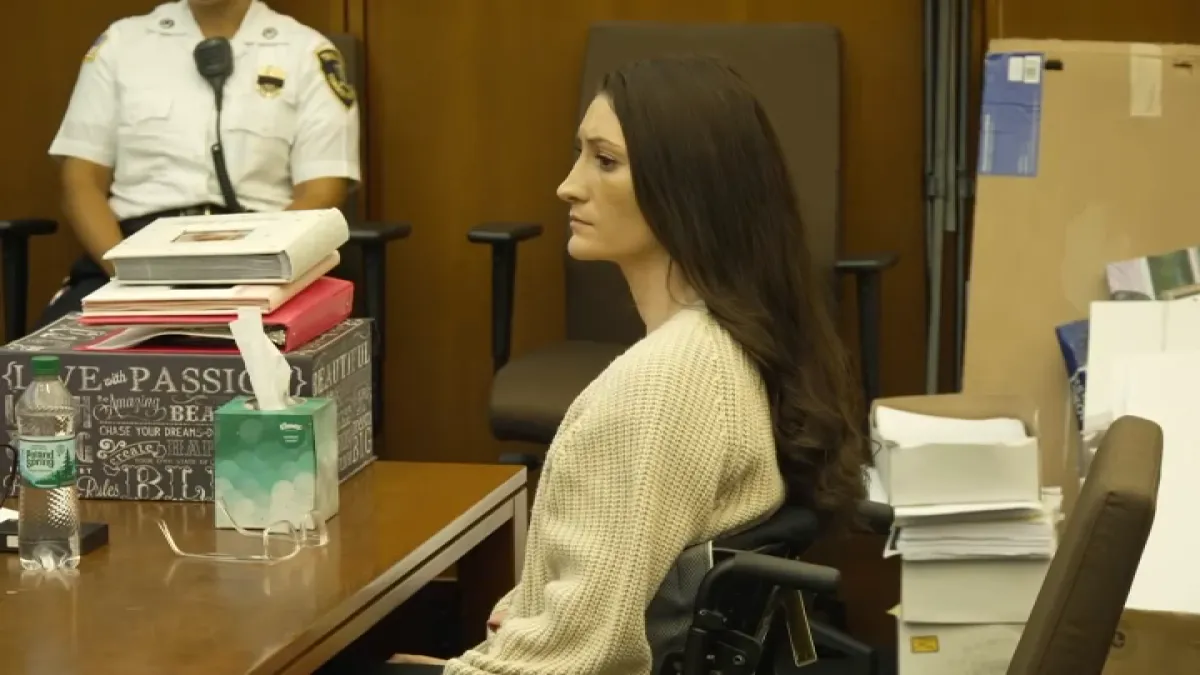
The trial of Lindsay Clancy, the Duxbury mother accused of killing her three young children, reached a pivotal moment on Thursday as the court heard emotional testimony regarding her mental state. As the proceedings move into their final stages, the testimony offered a glimpse into the internal struggle Clancy reportedly faced during the tragic events of January 2023. The day was marked by significant witness accounts and procedural interruptions that highlighted the high emotional stakes and public intensity surrounding the case.
What happened
On the 17th day of the trial, the jury heard from Sheila Cavanaugh, a chaplain at Brigham and Women’s Hospital. Cavanaugh provided a solemn account of her interactions with Clancy following the incident. According to the chaplain, Clancy admitted to experiencing auditory hallucinations, specifically stating that she heard a voice commanding her to end the lives of her children and herself. This testimony is central to the defense’s argument that Clancy was suffering from a severe mental health crisis at the time of the killings.
The prosecution utilized their cross-examination to scrutinize the timing and nature of these revelations, seeking to maintain their stance that the acts were intentional. Following the chaplain’s testimony, the day’s proceedings were cut short, but not before a significant procedural hurdle. Outside the courtroom, a rally was held in support of Clancy, which led the judge to take the unusual step of polling each juror individually. This was done to ensure that the public demonstration had not compromised the jury’s impartiality or influenced their perspective on the case.
Context
The case dates back to January 24, 2023, when authorities say Lindsay Clancy strangled her three children—5-year-old Cora, 3-year-old Dawson, and 8-month-old Callan—in their family home in Duxbury. The tragedy occurred while her husband, Patrick, was out running errands at her request. Following the attack on her children, Clancy attempted to take her own life by jumping from a second-story window. She survived the fall but was left paralyzed from the waist down.
The legal battle has centered largely on Clancy’s mental health. The defense team argues that she was suffering from a combination of bipolar disorder and postpartum psychosis, asserting that she should not be held criminally responsible for her actions due to her psychological state. Conversely, prosecutors have argued that the planning involved in sending her husband out of the house suggests a level of premeditation and awareness that contradicts a total loss of reality.
Why it matters
The testimony from Sheila Cavanaugh is a critical piece of evidence for the defense, as it provides a contemporaneous account of Clancy’s claims regarding “command hallucinations.” In legal terms, proving the presence of such hallucinations is a cornerstone of an insanity defense, as it suggests the defendant was unable to appreciate the wrongfulness of their actions or conform their behavior to the law.
Furthermore, the judge’s decision to poll the jury one by one underscores the difficulty of conducting a fair trial in the age of social media and intense public interest. The rally outside the courthouse serves as a reminder of the polarized public opinion regarding the intersection of maternal mental health and criminal accountability. As the trial nears its conclusion, the jury must weigh the graphic evidence of the children’s deaths against the complex medical testimony regarding postpartum psychosis. The outcome of this case could have lasting implications for how the legal system handles defendants experiencing severe postpartum mental health disorders. Testimony is scheduled to resume on Friday morning.