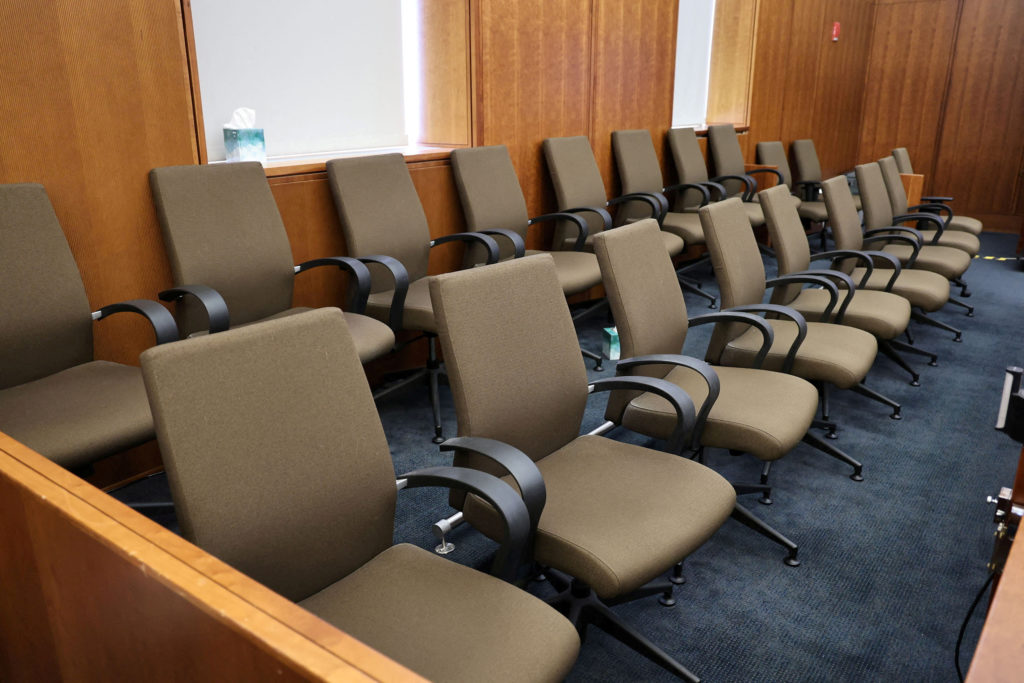
A pivotal development has emerged in the aftermath of the Lindsay Clancy trial, as the sole juror who advocated for a murder conviction has broken his silence. Through a statement released by his legal counsel, the juror expressed an unwavering conviction regarding Clancy’s responsibility for the deaths of her three children. This revelation provides a rare glimpse into the high-stakes environment of the jury room during one of the most emotionally charged legal proceedings in recent Massachusetts history.
What happened
In his first public commentary since the legal proceedings stalled, the holdout juror clarified his position on the tragic case. According to the statement issued on Friday, the individual remained steadfast in his belief that the evidence presented during the trial proved Clancy’s guilt beyond a reasonable doubt. He asserted that his decision was not based on hesitation or confusion, but rather on a firm interpretation of the facts surrounding the deaths of the three young children.
Crucially, the juror alleged that the process of deliberation was fraught with tension. He claimed that despite his certainty, the other members of the jury were unwilling to engage with his perspective or consider the arguments for a conviction. The statement suggests a significant divide within the group, highlighting a breakdown in communication that prevented a unanimous consensus. The juror’s lawyer emphasized that his client felt the weight of the evidence demanded a different outcome than the one the rest of the panel favored.
Context
The case of Lindsay Clancy has drawn national scrutiny due to the harrowing nature of the incident and the complex legal defenses involved. Clancy was accused of strangling her three children—five-year-old Cora, three-year-old Dawson, and seven-month-old Callan—in their Duxbury home in January 2023. Following the acts, she attempted to take her own life, resulting in permanent paralysis.
The core of the legal battle centered on Clancy’s mental state at the time of the killings. Her defense team argued extensively that she was suffering from severe postpartum psychosis, a condition they claimed rendered her unable to understand the wrongfulness of her actions. Conversely, the prosecution contended that the killings were planned and deliberate, pointing to the window of time she had while her husband was out running errands. The trial became a flashpoint for debates over mental health, maternal healthcare, and criminal accountability, making the jury’s task exceptionally difficult.
Why it matters
The emergence of a holdout juror’s perspective is significant because it underscores the inherent difficulties of reaching a unanimous verdict in cases involving the insanity defense. In the American legal system, a single dissenting voice can prevent a conviction, ensuring that the burden of proof remains a high hurdle for the prosecution. This juror’s statement reveals that the “reasonable doubt” threshold was viewed very differently by different members of the community, even when presented with the same set of facts.
Furthermore, this disclosure raises questions about the internal dynamics of jury deliberations. When a juror feels that their peers refuse to listen or deliberate in good faith, it challenges the ideal of the jury as a collaborative, truth-seeking body. For the families involved and the public at large, these comments suggest that the legal resolution of the Clancy case may remain as divisive as the tragedy itself. As the legal system continues to grapple with how to weigh mental illness against criminal intent, the testimony of those inside the jury room remains a vital, if often hidden, part of the narrative.