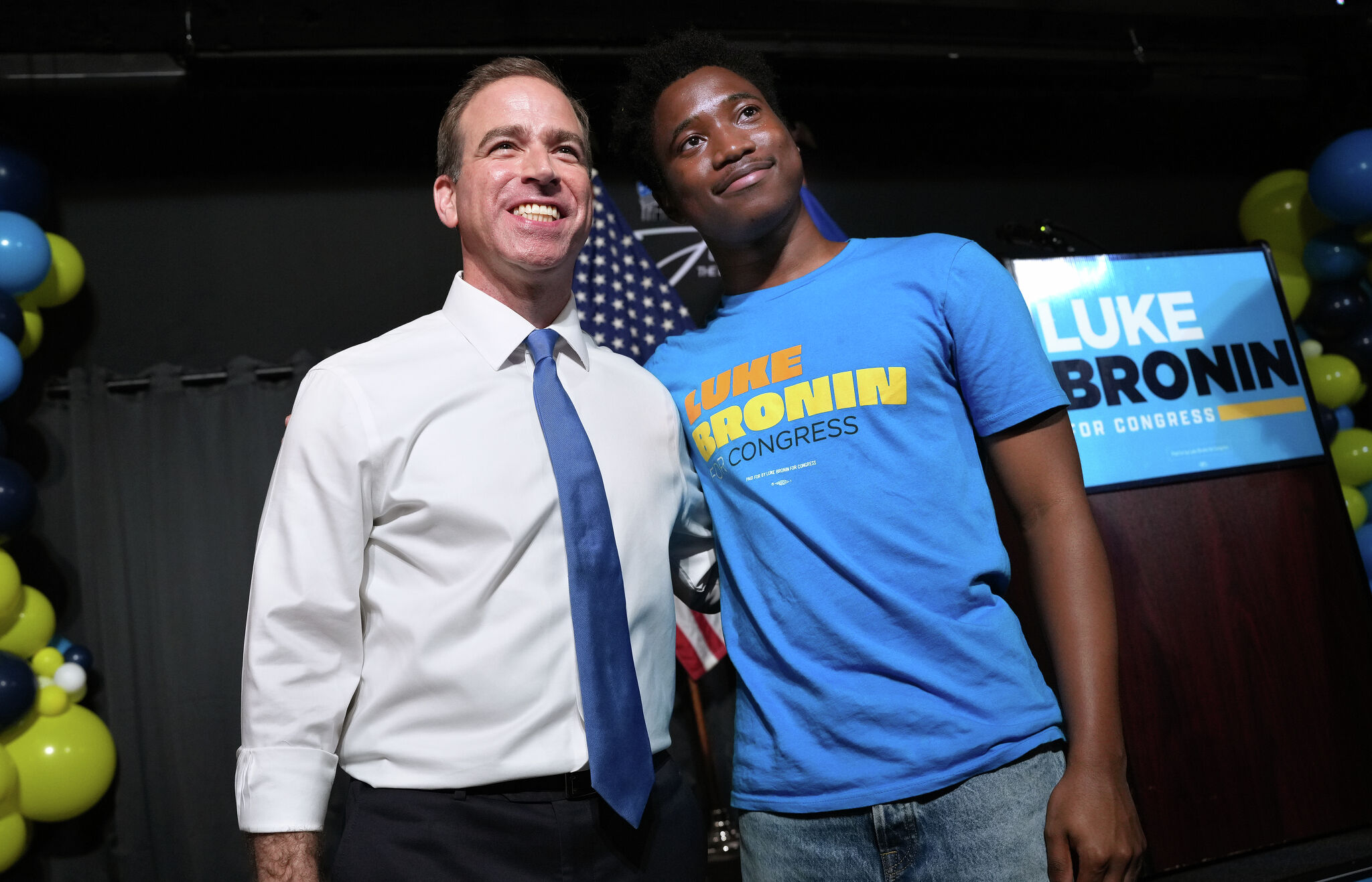
The political landscape in Connecticut experienced a seismic shift this week as Luke Bronin, the former mayor of Hartford, successfully unseated veteran U.S. Representative John Larson. This primary victory for the 1st District nomination marks a rare and historic moment in the state’s political history, effectively ending Larson’s nearly three-decade tenure in the House of Representatives. By defeating an incumbent of such long standing, Bronin has not only secured a likely path to Washington but has also redefined the roadmap for political challengers in the region.
What happened
On Tuesday night, the Democratic primary results confirmed what many had previously thought improbable: the defeat of a 28-year veteran of the U.S. House. John Larson, a 78-year-old fixture of Connecticut politics, conceded the race to the 47-year-old Bronin after a hard-fought and often tense campaign. The victory solidified an upset that Bronin had hinted at as early as May, when he first received the party’s endorsement and described the momentum as a “political earthquake.”
While skeptics at the time might have dismissed Bronin’s rhetoric as campaign hyperbole, the primary results validated the metaphor. Bronin effectively dismantled a stronghold that Larson had maintained since the late 1990s. The primary was not a simple two-way race; it also featured state Representative Jillian Gilchrest and attorney Ruth Fortune. However, the central drama remained the clash between Bronin’s momentum and Larson’s legacy. Upon his victory, Bronin reiterated that the result was a true upheaval for the state’s political establishment. Given that political observers struggle to recall any recent instance of a sitting Connecticut congressman losing a primary, the win is being treated as a transformative event.
Context
Luke Bronin’s path to victory was built on a complex political identity that blended the appeal of an insurgent with the resources of a seasoned insider. To win, Bronin had to position himself as a source of fresh energy and new perspectives, contrasting his age and outlook against Larson’s lengthy career. Yet, he was simultaneously a well-connected figure, having served two terms as the mayor of Hartford and holding a previous role within the Obama administration.
This dual status allowed Bronin to command a massive campaign treasury, exceeding $3 million. This financial power was a major point of contention for his opponents. Larson, along with Gilchrest and Fortune, argued that Bronin was not a true agent of change but rather a product of the party’s elite and wealthy donor class. Critics frequently pointed to his tenure in Hartford, noting the city’s financial struggles and subsequent state interventions as evidence that his leadership was more tied to traditional power structures than his “insurgent” branding suggested. Despite these critiques, Bronin’s ability to leverage his institutional background while campaigning on a platform of revitalization proved to be a winning combination.
Why it matters
The significance of this election extends far beyond the borders of the 1st District. In a state like Connecticut, where political incumbents often enjoy decades of job security, Bronin’s victory shatters the perception of invincibility surrounding long-term officeholders. It suggests that even the most established political figures can be unseated if a challenger can successfully bridge the gap between grassroots energy and institutional support.
Furthermore, this result highlights a generational transition currently bubbling within the Democratic Party. As voters increasingly look for leadership that can navigate modern challenges with “fresh ideas,” the defeat of a 78-year-old incumbent by a 47-year-old challenger underscores a growing appetite for a change in guard. Bronin’s win illustrates that a successful challenge to the status quo in Connecticut requires more than just a progressive platform; it requires a candidate who can navigate existing power structures while simultaneously promising to evolve them. This “political earthquake” may serve as a blueprint for future primary contests, signaling that the era of uncontested incumbency in the Nutmeg State may be drawing to a close.