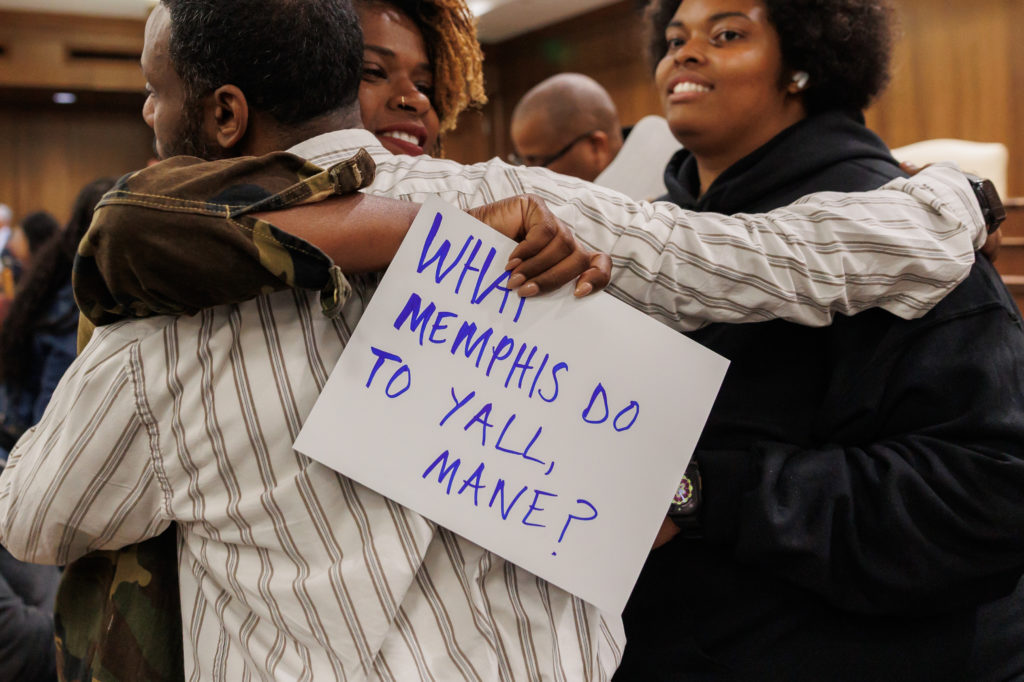
Residents of Memphis are voicing deep-seated concerns over the recent restructuring of Tennessee’s congressional boundaries. For a city that has long served as a bastion of Democratic representation and a hub for Black political influence, the new legislative map represents a seismic shift in how its citizens are heard on the federal stage. Voters across the city report a sense of disillusionment, arguing that their collective voice has been systematically silenced by state-level decisions.
What happened
The controversy centers on a redistricting plan orchestrated by the Republican-controlled Tennessee General Assembly. In a move that finalized earlier this year, lawmakers effectively dismantled the state’s 9th Congressional District. Historically, this district was anchored in Memphis, keeping the city’s urban core and its majority-Black population within a single representative’s purview.
Under the new map, Memphis has been carved into three separate congressional districts. This division distributes the city’s concentrated Democratic voting bloc into three broader areas that include significant portions of conservative, rural West Tennessee. Consequently, the city’s influence is fragmented, making it nearly impossible for Memphis voters to elect a candidate of their choosing who reflects the city’s specific demographic and ideological leanings.
Context
This legislative overhaul followed the 2020 U.S. Census, a period when states across the country redraw their political maps to account for population shifts. While redistricting is a routine constitutional requirement, the methodology employed in Tennessee has drawn intense national scrutiny. Critics and civil rights advocates argue that the move is a textbook example of gerrymandering designed to secure a supermajority for one party.
Before this change, Memphis was the heart of the only majority-Black district in the state, often serving as the sole Democratic stronghold in an otherwise deep-red Tennessee. By splitting the city, the legislature has effectively neutralized the partisan leanings of its urban center. This action has sparked several legal challenges and protests, with opponents claiming that the map violates the principles of the Voting Rights Act by diluting the voting power of minority communities.
Why it matters
The implications of this redistricting extend far beyond local party politics; it touches on the fundamental right to effective representation. Many Memphis voters feel that their specific urban needs—such as targeted federal funding for metropolitan infrastructure, specialized healthcare initiatives, and urban poverty programs—will now be ignored. When a city is represented by three different individuals who primarily answer to rural constituencies, the cohesive advocacy for city-specific issues often disappears.
Furthermore, the loss of a representative who shares the cultural and demographic background of the majority of Memphis residents creates a representative gap. For many in the community, having a congressperson who understands the unique history and challenges of a majority-Black city is essential for civic trust. As these voters find themselves merged into districts where their concerns are the minority, there is a growing fear that voter turnout will decline as residents conclude that their ballots no longer carry the weight they once did. This shift in Tennessee serves as a critical case study in the ongoing national debate over how political boundaries shape the fairness of American democracy.