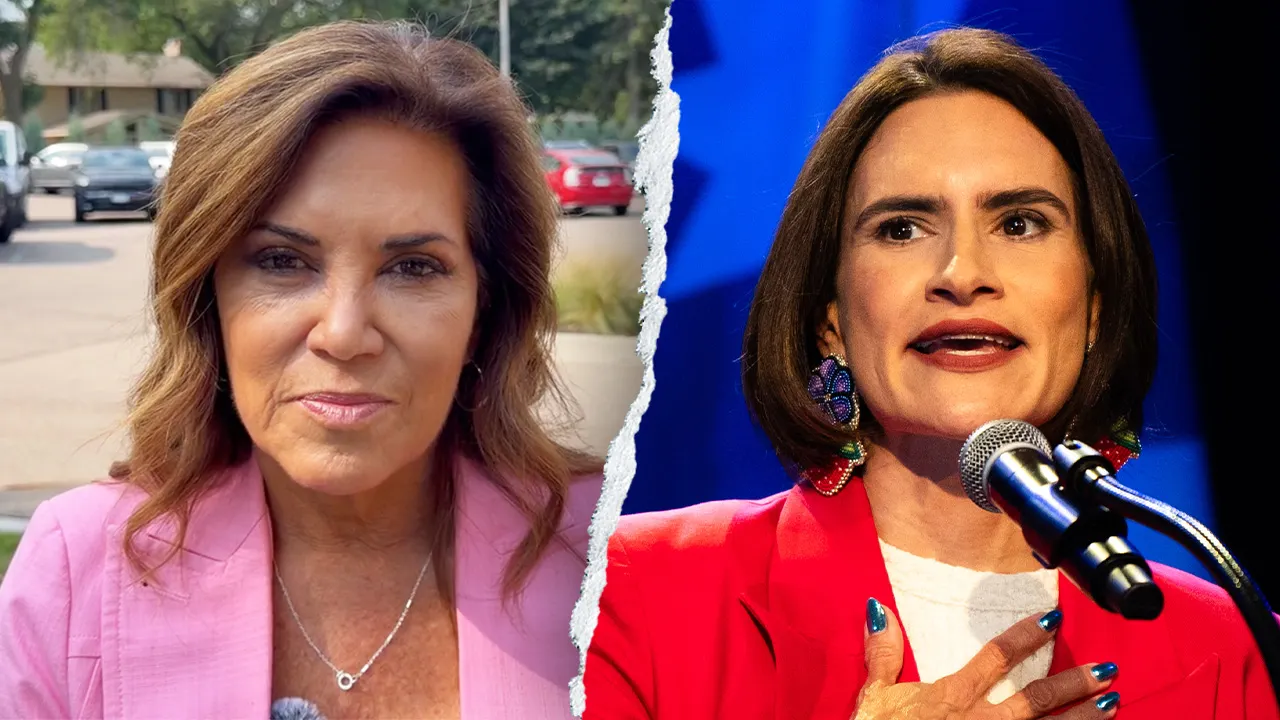
Michele Tafoya has officially secured the Republican nomination for the Minnesota Senate, marking a pivotal shift in the state’s political landscape. After winning her primary convincingly, the former sportscaster is now set to challenge the incumbent Democratic Lieutenant Governor, Peggy Flanagan, in the upcoming November general election. Tafoya’s victory signals a concerted effort by the GOP to reclaim a statewide office in a region that has long leaned toward the Democratic Party, centering her campaign on a promise to restore traditional governance and fiscal accountability.
What happened
Following a decisive performance in the primary, Michele Tafoya transitioned from a hopeful candidate to the official Republican standard-bearer for the U.S. Senate in Minnesota. Shortly after the polls closed, Tafoya expressed her gratitude to voters and doubled down on her campaign’s core message: a rejection of what she describes as a “socialist lurch” within the Democratic Party. She characterized her platform as a “common sense” alternative designed to appeal not just to the Republican base, but to any voter disillusioned by the current political trajectory of the state.
Tafoya’s primary win sets the stage for a high-stakes confrontation with Peggy Flanagan. Throughout her campaign, Tafoya has been vocal about her desire to address rising crime rates, educational standards, and government transparency. She argues that the state has been heading in the wrong direction under the leadership of career politicians and aims to build a broad coalition that includes moderates and disaffected Democrats who feel the current administration has moved too far to the political left.
Context
The political environment in Minnesota has been fraught with tension following several high-profile controversies. The state was recently rocked by a massive fraud scandal that ultimately led to Governor Tim Walz choosing not to seek re-election. As the sitting Lieutenant Governor, Peggy Flanagan has faced significant scrutiny for her role in the administration during this period. Tafoya and her supporters have frequently pointed to these scandals as evidence of a lack of oversight and accountability within the state’s executive branch.
Furthermore, Flanagan’s own political positions have become a central point of contention. As a progressive leader, Flanagan has advocated for policies such as the abolition of Immigration and Customs Enforcement (ICE), positions that Tafoya argues are out of step with the majority of Minnesotans. This contrast between Tafoya’s self-described “sanity” and Flanagan’s progressive agenda is expected to be the defining feature of the general election cycle.
Why it matters
This election carries immense historical and strategic weight. The Republican Party has not won a statewide office in Minnesota since 2006, making Tafoya’s bid an uphill battle against a long-standing “blue” streak. If she is successful, it would represent a major breakthrough for the GOP and could signal a shift in the political alignment of the Upper Midwest.
Tafoya’s strategy of reaching across the aisle to “brokenhearted” Minnesotans suggests a shift in how Republicans approach traditionally Democratic strongholds. By focusing on kitchen-table issues like school performance, public safety, and financial integrity, she is testing whether a message of “common sense” can overcome the ideological divide. For voters, the choice in November will offer a stark contrast between the progressive status quo and a challenge to the existing political order, potentially reshaping Minnesota’s governance for years to come.