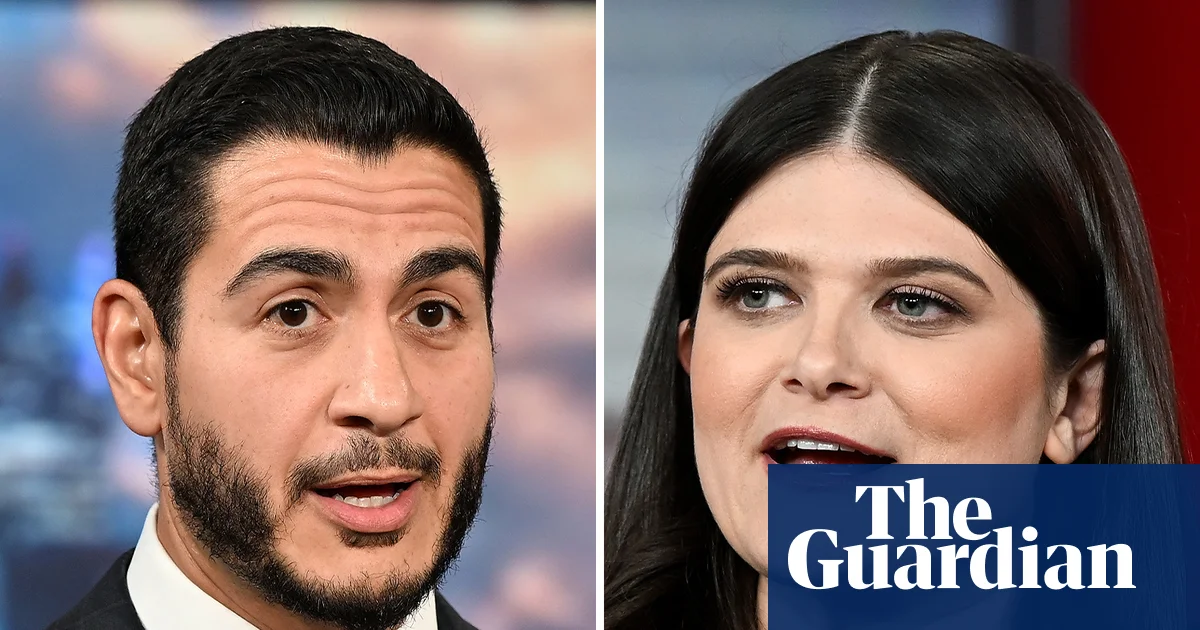
Michigan has become the center of a high-stakes ideological battle as Democratic voters prepare to choose their nominee for a pivotal US Senate seat. The contest has narrowed to a sharp contrast between two distinct visions for the party’s future: progressive challenger Abdul El-Sayed and establishment-backed Representative Haley Stevens. As the primary approaches, the central question for the electorate remains one of electability. In a purple state that could determine the balance of power in Washington, voters are weighing whether a bold progressive agenda or a moderate, proven legislative record is the more viable path to victory in November.
What happened
The race for the Democratic nomination has intensified following the withdrawal of state Senator Mallory McMorrow in early July. Her exit effectively turned the primary into a two-person race between El-Sayed, an epidemiologist and former health director, and Stevens, who has represented Michigan’s 11th congressional district since 2019. While Stevens has branded herself as a “workhorse” focused on delivering results, El-Sayed has campaigned as an insurgent focused on systemic changes like universal healthcare.
Recent polling data suggests a shifting landscape. A nonpartisan Emerson survey indicates El-Sayed is gaining significant momentum, leading Stevens 54% to 39% among likely voters. The data reveals a profound generational divide within the party; El-Sayed holds a massive 42-point lead among voters under the age of 50, while Stevens maintains a 14-point advantage with those over 60. Perhaps most importantly for a general election, independent voters appear to be gravitating toward El-Sayed by a 27-point margin.
Context
The candidates bring vastly different backgrounds and support networks to the trail. Stevens enjoys the backing of the Democratic establishment, including Senate Minority Leader Chuck Schumer, Governor Gretchen Whitmer, and retiring Senator Gary Peters. Her campaign emphasizes her experience flipping a Republican-held seat and her previous work on the Obama administration’s auto industry rescue plan—a connection that remains a strong selling point for many Black voters in the state.
El-Sayed, conversely, has become a standard-bearer for the party’s left wing. Supported by Senators Elizabeth Warren and Chris Van Hollen, he has sought to distance himself from the “democratic socialist” label, instead describing himself as a capitalist who supports rigorous regulation of monopolies.
The race has also become one of the most expensive in the country. Outside groups have funneled over $40 million into the primary, much of it directed at attacking El-Sayed or boosting Stevens. Significant funding has come from groups affiliated with the American Israel Public Affairs Committee (Aipac). This influx of “dark money” has become a central campaign issue, with El-Sayed criticizing the influence of outside interests while Stevens maintains her commitment to campaign finance reform despite the support of these groups.
Why it matters
The outcome of this primary serves as a barometer for the Democratic Party’s national strategy. Michigan is a quintessential swing state, and the winner of Tuesday’s vote will face Republican Mike Rogers in a race that could decide which party controls the US Senate. The primary results will test whether a progressive platform can mobilize the youth and independent vote more effectively than a traditional moderate approach.
Beyond the immediate goal of winning the seat, the El-Sayed-Stevens matchup highlights the ongoing internal struggle for the soul of the Democratic Party. As progressives see success in deep-blue districts, Michigan represents a crucial test of whether that same energy can translate to a statewide victory in a competitive environment. For voters, the decision rests on who they believe can best navigate the complexities of a purple state while addressing the economic and social concerns of a diverse electorate.