The recent primary elections across the Upper Midwest have provided a significant snapshot of the internal ideological struggle currently shaping the Democratic Party. As voters headed to the polls on Tuesday, the results in Minnesota and the unfolding situation in Wisconsin highlighted a notable shift toward the party’s progressive wing. These contests serve as a critical barometer for the movement’s momentum as it seeks to redefine the Democratic platform ahead of the 2026 midterm elections.
What happened
In Minnesota, the progressive movement celebrated two major victories that underscored its growing influence within the state’s political infrastructure. Lieutenant Governor Peggy Flanagan successfully secured the Democratic nomination for the U.S. Senate, a seat being vacated by the retiring Senator Tina Smith. Flanagan’s victory came after a high-stakes primary battle against Representative Angie Craig. This particular race was widely viewed as a proxy war between the party’s left wing and its more moderate establishment, with Flanagan drawing support from national progressive icons while Craig held the backing of traditional party leadership.
Simultaneously, Representative Ilhan Omar maintained her stronghold in Minnesota’s 5th Congressional District. Despite facing well-funded opposition in previous cycles, Omar once again fended off primary challengers to secure her spot on the general election ballot. Her win reinforces the resilience of “The Squad” in deep-blue urban districts.
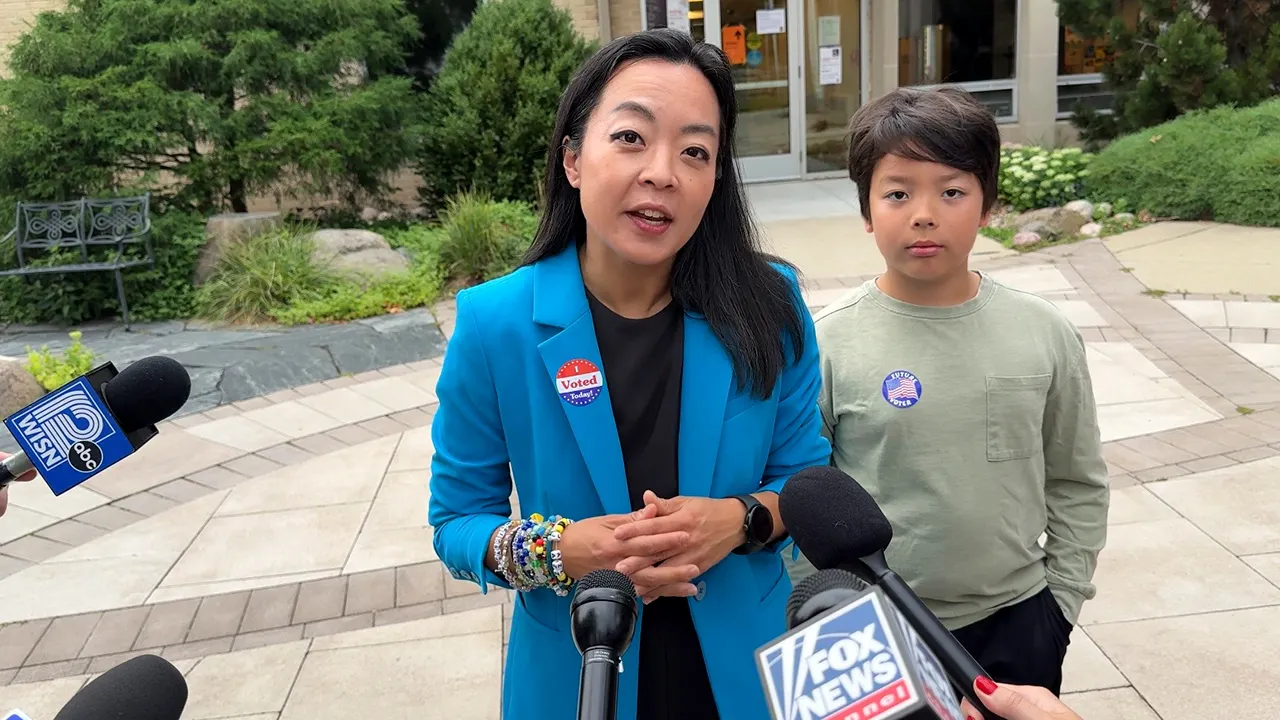
The focus now shifts to Wisconsin, where the political world is waiting for the final results of the gubernatorial primary. State Representative Francesca Hong, a democratic socialist and former chef, is vying to succeed Governor Tony Evers. Hong’s campaign has become a focal point for national progressive attention, drawing endorsements from prominent figures such as Representative Ro Khanna and Representative Omar.
Context
These primary battles are occurring at a pivotal moment in American politics. The 2026 midterms are set to decide the balance of power in both the House of Representatives and the Senate, which will ultimately dictate the legislative success of President Donald Trump’s administration during the final two years of his term. Within this framework, the Democratic Party is grappling with how best to position itself to regain control.
The vacancies left by retiring leaders like Senator Tina Smith and Governor Tony Evers created rare openings for new leadership. In Minnesota, the clash between Flanagan and Craig highlighted a strategic divide: whether to run on a platform of progressive reform or maintain the moderate, centrist approach that has historically appealed to a broader suburban demographic. In Wisconsin, the stakes are even higher, as the state remains one of the most volatile battlegrounds in the country. A win for a candidate like Hong would signal that democratic socialism can find a footing even in highly competitive “swing” environments.
Why it matters
The success of candidates like Flanagan and Omar suggests that the progressive wing is no longer just a vocal minority but a dominant force capable of defeating establishment-backed opponents. This shift could lead to a significant transformation in the Democratic Party’s national messaging, moving it further toward policies such as expanded social safety nets and more aggressive climate action.
Furthermore, the Wisconsin results will serve as a litmus test for the general election. If a progressive insurgent can capture the nomination in a state as divided as Wisconsin, it may embolden the left to challenge moderate incumbents in other battleground regions. Conversely, the outcome of these races will force the Democratic Party to decide if a unified progressive front is the most viable path to countering the current administration’s agenda or if the ideological rift will create hurdles in the quest to reclaim a congressional majority. As the 2026 midterms approach, the Upper Midwest has clearly established itself as the primary staging ground for the future of the Democratic identity.