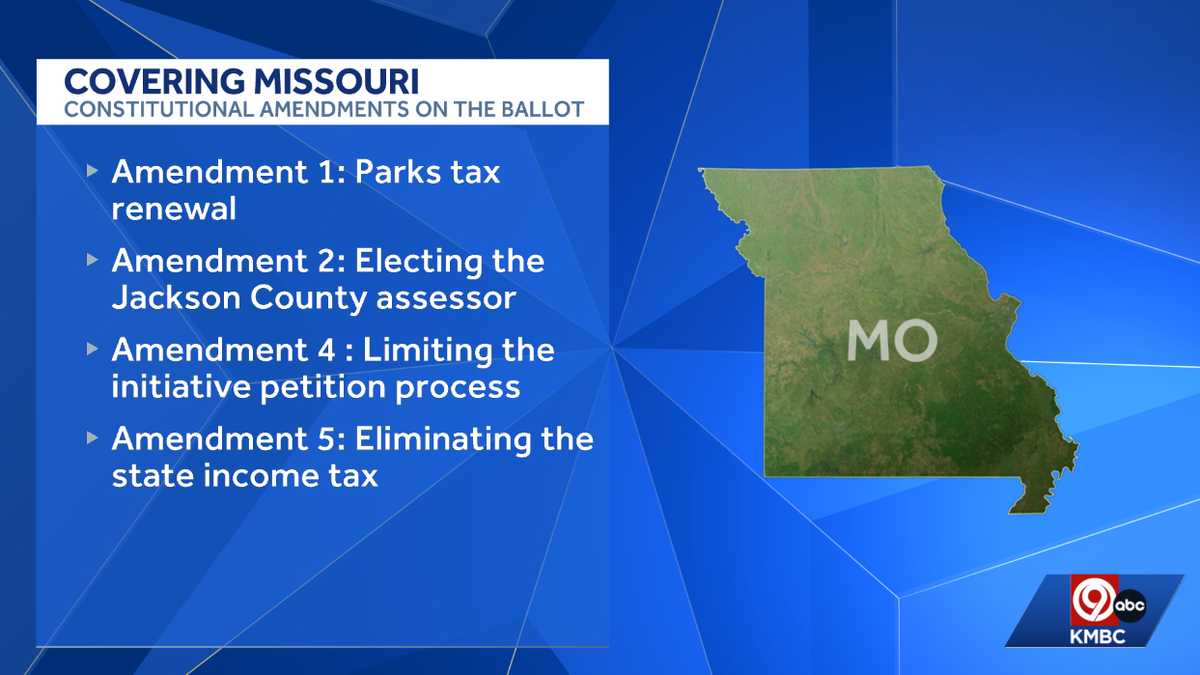
Missouri voters delivered a decisive blow to two major legislative priorities on Tuesday, resoundingly rejecting constitutional amendments that would have fundamentally altered the state’s tax code and its democratic process. The defeat of Amendments 4 and 5 represents a significant setback for the state’s Republican leadership and signals a public desire to maintain the current structures governing both taxation and the citizen-led initiative process.
What happened
The results were not just a narrow defeat but a landslide rejection. With nearly all precincts reporting, Missourians voted down both measures by overwhelming margins. Amendment 4, which sought to overhaul the initiative petition process, failed with approximately 80% of the vote. Amendment 5, a proposal to eliminate the state income tax, saw an even larger opposition, with more than 82% of voters casting a “no” ballot.
In total, more than one million residents voted against both measures. Amendment 4 would have shifted the requirement for passing citizen-led constitutional amendments from a simple statewide majority to a more complex system requiring majority support in every single one of Missouri’s congressional districts. Meanwhile, Amendment 5 proposed a gradual elimination of the individual income tax, providing the General Assembly with the authority to expand sales and use taxes to recover the resulting loss in state revenue.
Context
These amendments were central to the platform of Missouri’s top executive leadership. Governor Mike Kehoe was a vocal supporter of both measures, framing them as essential steps toward making Missouri more economically competitive. Following the defeat of Amendment 5, Kehoe maintained that while the specific proposal failed, the conversation regarding tax reduction must continue. He emphasized his commitment to pursuing conservative fiscal policies that allow families to keep more of their earnings, despite the setback at the polls.
Conversely, the amendments faced fierce opposition from Democratic leaders and local officials. Kansas City Mayor Quinton Lucas characterized the results as a “total repudiation” of the political climate in Jefferson City. Critics of Amendment 5 argued that replacing income tax with expanded sales taxes would disproportionately burden working-class families while benefiting the state’s wealthiest residents. Opponents of Amendment 4 argued that the change was a thinly veiled attempt by lawmakers to strip power from the people by making it nearly impossible for grassroots movements to successfully amend the state constitution.
Why it matters
The rejection of these amendments carries significant weight for the future of Missouri’s governance. By defeating Amendment 4, voters protected the principle of “one person, one vote” in the initiative process. Had it passed, a single congressional district could have effectively vetoed the will of the rest of the state, drastically limiting the ability of citizens to bypass the legislature on key issues.
Furthermore, the failure of Amendment 5 suggests that Missourians are skeptical of radical shifts in the state’s revenue model. The concern that a sales tax expansion would lead to higher costs for everyday goods clearly resonated more with the electorate than the promise of a zero-percent income tax.
Democratic leaders, such as House Minority Leader Ashley Aune, view the election results as a warning to the GOP-led legislature. The landslide defeat indicates a disconnect between the legislative agenda in the state capital and the priorities of the general public. As Missouri moves toward future election cycles, this “political price” may influence how lawmakers approach controversial constitutional changes and tax reform moving forward.