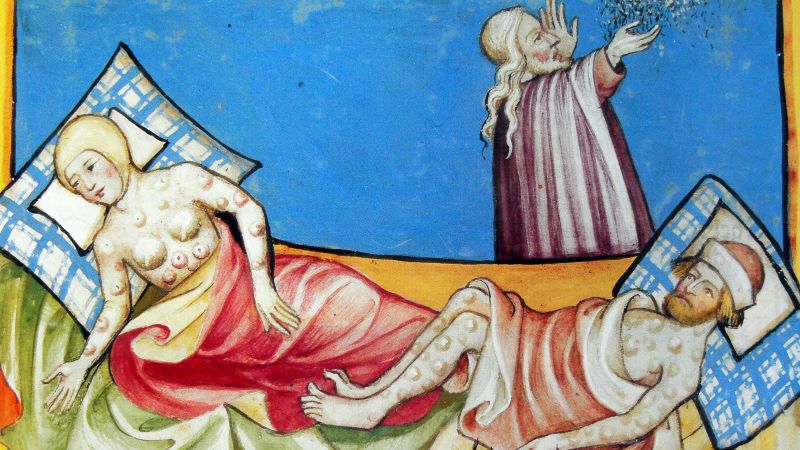
Despite a century defined by unparalleled medical breakthroughs—from the mapping of the human genome to the eradication of once-deadly infections—a growing segment of the population is looking backward for health guidance. In an era where the most advanced diagnostic tools are available, there is a surprising resurgence of interest in pre-rational wellness models. From spiritual spells for weight loss to “detox” protocols that mirror ancient purging rituals, the modern health landscape is increasingly beginning to resemble the Middle Ages.
What happened
Recent years have seen a significant shift in how individuals consume health information and choose treatments. On platforms like Etsy, consumers can now purchase “body transformation” spells, while thousands flock to regional energy healing conferences to seek “ancient wisdom” from practitioners of Reiki and herbalism. This trend is bolstered by high-profile figures and influencers who challenge traditional medical consensus.
For instance, prominent political figures have recently made headlines for diagnosing systemic health issues, such as mitochondrial dysfunction and inflammation, simply by observing the physical appearances and movements of strangers in public. Furthermore, the spread of medical misinformation regarding childhood vaccinations has gained traction on social media, with some leaders using hyperbolic comparisons to downplay the precision of modern dosages. This environment has allowed influencers to promote unproven treatments, such as using colloidal silver for respiratory issues, despite a lack of clinical evidence supporting their safety or efficacy.
Context
Historians and medical experts suggest that this return to “medieval” thinking is not a coincidence but a reaction to institutional failure. During the 12th century, physicians relied on observable traits—like the color of a patient’s face—to diagnose internal imbalances because they lacked the technology to see inside the body. Today’s wellness influencers often use similar language, focusing on “toxins” and “residues” that must be purged, a concept that would have been intimately familiar to a person living 1,000 years ago.
The COVID-19 pandemic served as a major catalyst for this shift. For the first time, the general public witnessed the “fits and starts” of the scientific process in real-time. When experts corrected themselves as new data emerged, it created a vacuum of confidence. This lack of trust mirrors the aftermath of the Black Death in 14th-century Europe, where the inability of medical authorities to cure the plague led to a cratering of institutional faith. Interestingly, historical records show that the Islamic world largely avoided this specific crisis of trust during the same period, as consistent public health messaging and established quarantine traditions provided a stable framework for the population.
Why it matters
The pivot toward folk healing and pre-modern simplicity suggests a deep-seated frustration with the current healthcare system. Experts note that many patients feel “heartless systems” and the perceived over-influence of the pharmaceutical industry have over-complicated the healing process. When people feel that structural systems are failing them, they tend to look for alternative frameworks that offer clear, simple answers—even if those answers lack a scientific basis.
However, historians caution that while modern practices may look like those of the Middle Ages, the context is entirely different. Medieval practitioners were acting within the highest scientific framework available to them at the time. Modern “detoxes” and spiritual health spells, by contrast, often ignore a century of proven biological understanding.
The challenge for public health moving forward lies in rebuilding that lost trust. Acknowledging the flaws in the current medical system—such as the time it takes to identify drug risks or the impersonal nature of modern insurance—may be the first step in steering the public back toward evidence-based care. Until the gap between complex institutional medicine and the human desire for clear, observable health solutions is bridged, the allure of the Middle Ages is likely to persist.