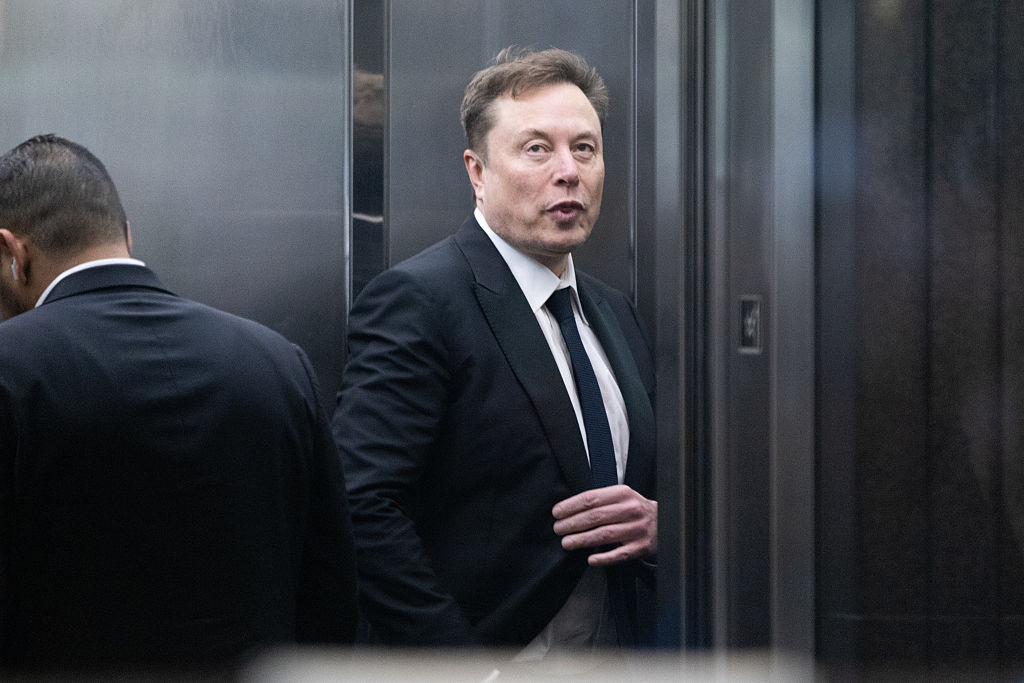
Elon Musk is embarking on what could be the most ambitious industrial construction project in modern history. Through a joint effort between Tesla and SpaceX, the tech mogul is launching “Terafab,” a colossal semiconductor manufacturing facility in Grimes County, Texas. Designed to secure a steady supply of high-end processors for Musk’s expanding empire, the project aims to redefine the scale of global manufacturing and supply chain management.
What happened
Recent reports indicate that Tesla and SpaceX have committed an initial investment of $16.8 billion to develop the Terafab facility. This massive site is projected to span approximately 100 million square feet of manufacturing space. To put that scale into perspective, the facility would be more than five times larger than the world’s current largest building.
The project is designed as a vertically integrated hub, meaning it will not just manufacture chips but also handle packaging and testing on-site. This comprehensive approach includes the production of both logic and memory chips, utilizing advanced packaging technologies. While the initial phase focuses on a $16.8 billion commitment and the creation of at least 3,000 high-paying jobs, Texas Governor Greg Abbott has noted that the total investment could eventually skyrocket to $119 billion if all planned phases reach completion. Such a figure would rank the Terafab among the largest private industrial investments ever recorded.
Context
The drive behind Terafab is a direct response to the staggering computing needs of Musk’s various companies. Tesla requires a massive volume of advanced processors to power its electric vehicle fleet, full self-driving (FSD) software, and the Optimus humanoid robot project. Simultaneously, SpaceX is looking toward the future of orbital infrastructure, which includes the development of AI-driven data centers in space.
Industry analysts estimate that the combined computing requirements of SpaceX and Tesla will soon exceed one terawatt. By partnering with established industry leaders like Intel, Musk is positioning his companies to meet this demand head-on. The transition to Texas has been a recurring theme for Musk’s operations, as the state offers a favorable regulatory environment and ample space for the physical footprint required by a project of this magnitude.
Why it matters
The establishment of Terafab represents a significant shift in how tech giants handle their hardware needs. By bringing semiconductor production in-house, Musk is effectively insulating his companies from the volatility of the global chip market. Rather than relying on third-party foundries located overseas, Tesla and SpaceX will gain unprecedented control over their own supply chains, reducing lead times and protecting proprietary designs.
Beyond the corporate benefits, the economic impact on the region is profound. The first phase alone is set to inject billions into the Texas economy and create thousands of specialized jobs. Furthermore, the technical specifications of the plant—combining manufacturing, testing, and packaging in one location—could set a new standard for the semiconductor industry. If Terafab reaches its full potential, it will not only be a monument to industrial engineering but also a critical pillar in the advancement of artificial intelligence, autonomous transport, and space exploration.