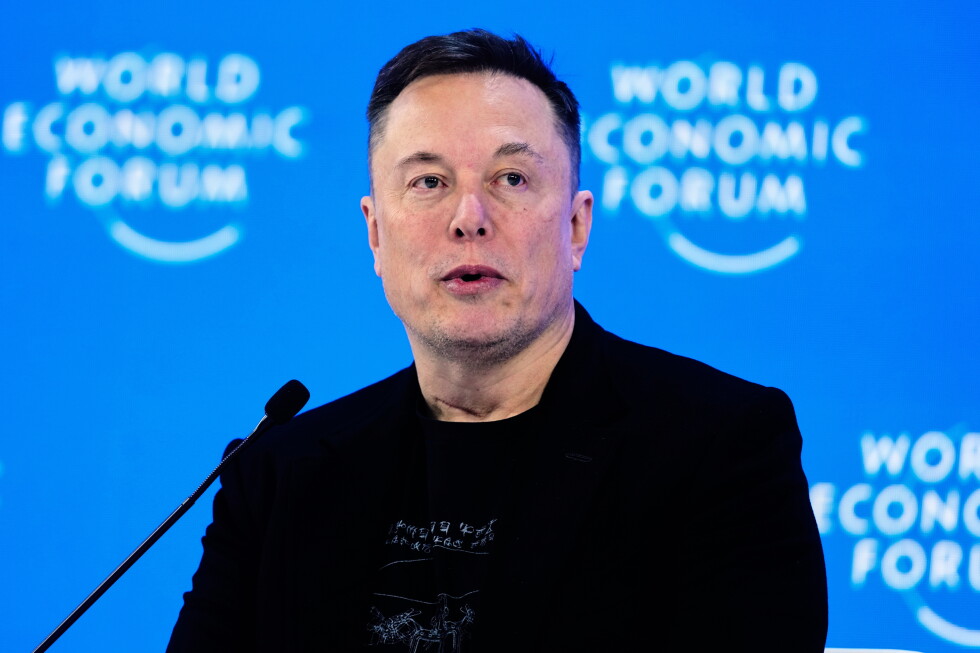
Elon Musk’s artificial intelligence venture, xAI, has filed a federal lawsuit against the state of Minnesota, challenging a pioneering law designed to prohibit “nudification” technology. The legal action comes just days before the legislation was scheduled to take effect, marking a significant confrontation between state-level digital regulations and the rapidly evolving AI industry. While the law aims to curb the creation of non-consensual deepfake imagery, xAI argues that the statute’s current language overreaches and threatens protected forms of expression.
What happened
The lawsuit, spanning 38 pages, was filed in federal court in response to a Minnesota law signed in May. This legislation is the first of its kind in the United States to specifically outlaw the technology that enables users to generate synthetic nude images of real individuals. Under the law, companies providing such tools could face staggering penalties of up to $500,000 per violation.
In its filing, xAI—the developer behind the Grok AI model used on the social media platform X—clarified that it does not oppose the state’s goal of preventing the non-consensual distribution of explicit AI-generated content. However, the company contends that the law is written so broadly that it encompasses constitutionally protected speech. Specifically, xAI points out that the law fails to provide a “safe harbor” for companies that make good-faith efforts to moderate their platforms. Furthermore, the company argues that the law’s definition of “intimate parts” is too expansive, potentially covering physical features that are commonly visible in public.
Minnesota Attorney General Keith Ellison responded to the news by defending the intent of the legislation. While noting his office had not yet been formally served, Ellison described the practice of using AI to “nudify” individuals without their consent as a violation of human dignity that causes profound emotional and professional damage.
Context
The legal battle in Minnesota is part of a broader, national struggle to regulate generative AI. While many states and the federal government have passed laws targeting deepfakes, those measures typically focus on the individuals who create or distribute the content. Minnesota’s approach is distinct because it targets the developers and providers of the underlying technology itself.
The federal “Take It Down Act” already requires platforms to have processes for removing non-consensual explicit images, and Texas has implemented laws that allow victims to seek civil damages. However, attempts to regulate the technology at the state level have seen mixed results. A similar speech-related law in California was recently blocked by a court on First Amendment grounds. xAI maintains that its own terms of service already strictly prohibit the use of Grok for abusive or illegal activities, including the creation of non-consensual sexual content, and that it actively enforces these rules through account terminations and reporting to authorities.
Why it matters
This case represents a critical test for the boundaries of state authority in the age of artificial intelligence. If the court sides with xAI, it may signal that states must be extremely precise in how they draft AI regulations to avoid infringing on free speech or placing impossible burdens on tech developers. Conversely, if the law stands, it could provide a roadmap for other states looking to hold tech companies directly responsible for the outputs generated by their users.
The outcome will also influence how AI companies approach safety and moderation. xAI’s primary concern regarding the lack of a “safe harbor” provision highlights a major anxiety in the tech sector: that companies could be held liable for the actions of rogue users despite having robust preventative measures in place. As AI tools become more sophisticated and accessible, the tension between protecting individual privacy and maintaining digital freedom of expression will likely remain at the forefront of the American legal system.