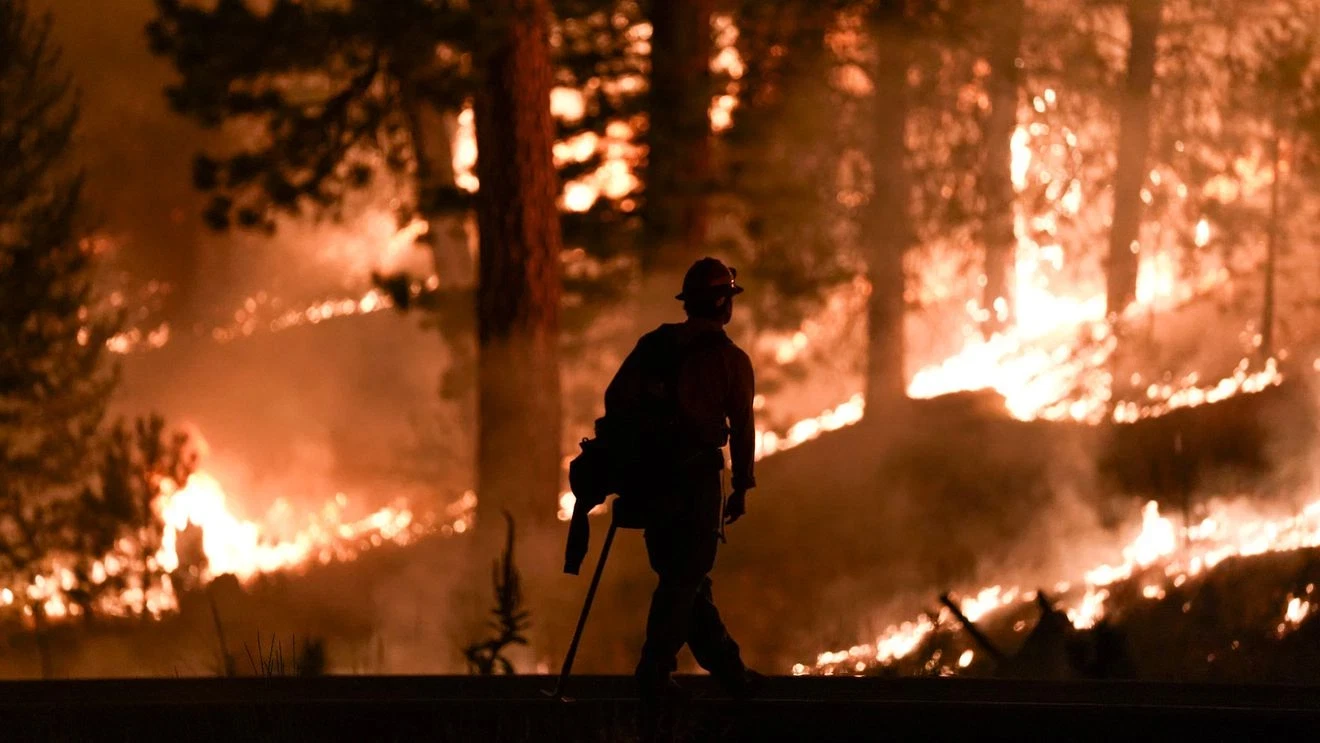
Oregon is currently the epicenter of wildfire activity in the United States, hosting the four largest active blazes in the country. With a fifth major fire burning in neighboring Washington, the Pacific Northwest remains under extreme pressure as local, state, and international resources scramble to contain the flames. This surge in activity comes during a season that has already seen millions of acres scorched across the nation, surpassing historical averages.
What happened
As of late July, Oregon has seen approximately 1.7 million acres burned across 1,329 separate fire incidents. The sheer scale of the current activity has necessitated a massive mobilization of resources. Currently, over 11,600 personnel are dedicated to 30 large fires within the state. While the total number of active fires has seen a slight decrease recently due to successful containment efforts on several fronts, the intensity of the remaining blazes remains high.
The response is a massive collaborative effort. The Oregon State Fire Marshal has deployed 39 teams, including dozens of task forces and strike teams. Support has also arrived from beyond state lines; 12 teams from California and Washington have been integrated into the efforts through the Emergency Management Assistance Compact. Furthermore, the crisis has drawn international aid, with fire management specialists from Australia and New Zealand arriving to assist Northwest operations.
Context
The weather has played a significant role in both the ignition and the spread of these fires. Recent conditions in eastern Oregon have seen temperatures climbing into the 90s accompanied by single-digit relative humidity. While some areas west of the Cascades have benefited from cooler marine air, the interior regions remain dangerously dry.
Looking ahead, meteorologists are warning of continued volatility. A persistent weather pattern is expected to maintain dry, breezy conditions in the eastern part of the state, with the potential for dry thunderstorms in central and northeast Oregon. A looming dry cold front scheduled for the weekend could bring gusty winds, further complicating containment efforts and raising the risk of new ignitions. National data indicates that the 4.5 million acres burned across the U.S. so far this year significantly exceeds the 10-year average, placing the Northwest at Preparedness Level 5—the highest level of emergency response.
Why it matters
The concentration of the nation’s largest fires in a single state places an immense strain on resources and infrastructure. With very dry fuels present across the landscape, fires can ignite and spread rapidly even under light wind conditions. This environment makes public cooperation essential; fire managers are urging residents to strictly adhere to local restrictions, avoid any activities that might create sparks, and stay clear of active firefighting zones.
Beyond the immediate threat to property and life, the scale of this year’s fire season highlights a broader trend of increased fire intensity. The involvement of specialized aircraft, such as the Modular Airborne Fire Fighting Systems (MAFFS) operating out of Klamath Falls and Redding, underscores the severity of the situation. As hot and unstable conditions are forecasted to persist into next week, the focus remains on preventing new starts and protecting communities from the volatile behavior of existing fires.