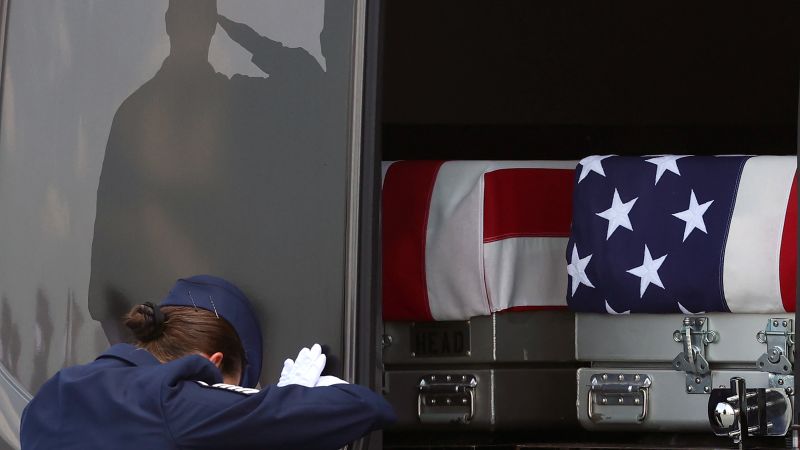
The human cost of the ongoing military engagement between the United States and Iran has reached a new milestone as the Department of Defense updates its tracking systems. According to the latest figures from the Pentagon, the total number of American casualties since the conflict began in late February has now surpassed 600. This figure includes both those killed in action and those wounded during various strikes. This update comes at a time of heightened political tension regarding the transparency of military reporting and the legal justification for the war’s continuation.
What happened
On Saturday, the Defense Casualty Analysis System (DCAS) underwent a significant revision. The update restored the records of four soldiers killed in recent Iranian strikes and added more than 140 wounded personnel to the official tally. With these additions, the total count for the conflict—which includes the casualties from Operation Epic Fury—now stands at 18 service members killed and 624 wounded. This is a sharp increase from previous reports which had suggested a lower number of injuries.
The revision follows a period of intense scrutiny from both the media and Capitol Hill. Last week, observers noted that casualty figures on the DCAS website were actually decreasing despite ongoing attacks, leading to questions about the accuracy of the data. The Pentagon’s acting press secretary, Joel Valdez, attributed these fluctuations to “temporary data disruptions” rather than a deliberate attempt to obscure the war’s toll. Additionally, the Pentagon introduced a new tracking category titled “Overseas Operations,” which specifically monitors casualties occurring from July 7 onward. However, the department has not yet provided a detailed definition for what this specific category covers or why it was necessary to separate these figures from the previous totals.
Context
The timing of these administrative changes aligns with a broader legal debate over the War Powers Act of 1973. The Trump administration recently notified Congress that a new phase of the conflict began on July 7. By claiming that a ceasefire in April effectively paused the military timeline, the administration argues that the 60-day window for congressional authorization was reset. This interpretation allows the executive branch to continue military operations without an explicit new authorization from Congress.
This move has met with resistance from lawmakers across the political spectrum. While some officials, such as Secretary of State Marco Rubio, have argued that the War Powers Act represents an unconstitutional restriction on presidential authority, many others remain skeptical. Senator Lisa Murkowski recently expressed concern that the administration is using technicalities to bypass constitutional requirements for congressional approval, essentially resetting the clock just as military actions become legally inconvenient.
Why it matters
The fluctuating casualty data and the shifting legal definitions of the conflict raise fundamental questions about government transparency during wartime. For the public and the families of service members, accurate reporting is essential to understanding the true scale of the engagement. Discrepancies in official numbers and the introduction of vague new reporting categories can erode trust in military institutions and the oversight process.
Furthermore, the ongoing dispute over the War Powers Act highlights a deepening constitutional struggle regarding which branch of government holds the power to commit the nation to war. If the executive branch is able to bypass the 60-day limit through administrative maneuvers, it sets a precedent that could fundamentally diminish the role of Congress in future foreign policy decisions. As the casualty count continues to rise, the debate is no longer just about numbers on a database, but about the legal and moral frameworks that govern American military involvement abroad.