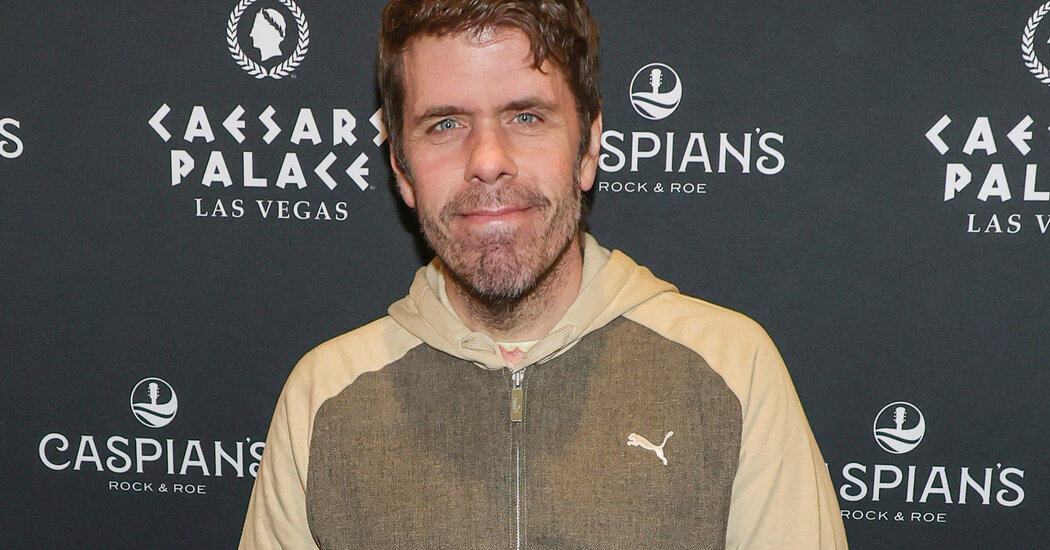
Celebrity media personality Perez Hilton, whose birth name is Mario Lavandeira, was hospitalized this week following a deeply concerning incident during a live broadcast. On Tuesday, the blogger appeared to engage in self-harm while streaming to a live audience on the social media platform TikTok. The event prompted an immediate response from law enforcement and emergency medical services, highlighting the volatile nature of live digital content and the ongoing concerns regarding the mental well-being of high-profile internet personalities.
What happened
The situation unfolded on Tuesday during a scheduled livestream on TikTok, a platform where Hilton has maintained an active presence in recent years. Viewers watching the stream became increasingly alarmed when the blogger’s behavior shifted, appearing to escalate into an act of physical self-harm on camera. Concerned followers quickly contacted local authorities, leading to a wellness check at his residence.
According to reports from the Miami-Dade Sheriff’s Office released on Wednesday morning, emergency responders arrived at Hilton’s home shortly after the broadcast incident. The authorities confirmed that Hilton was subsequently transported to a nearby medical facility for evaluation and care. While specific details regarding his current condition have not been officially disclosed to the public, the swift intervention by the Miami-Dade emergency teams suggests the gravity of the situation as it was perceived by both viewers and first responders.
Context
Perez Hilton first rose to prominence in the mid-2000s as one of the internet’s most influential and controversial gossip columnists. His blog became a central hub for celebrity news, often characterized by its irreverent and sometimes polarizing commentary on Hollywood figures. Over the decades, Hilton has undergone several public rebranding efforts, moving away from the more aggressive style of his early career toward a persona focused on fatherhood and broader entertainment analysis.
In recent years, Hilton—like many traditional bloggers—shifted his focus toward video-centric platforms. TikTok, in particular, became a primary outlet for his real-time engagement with fans. However, this transition to live, unedited broadcasting carries inherent risks. The pressure of maintaining a constant digital presence, coupled with the immediate feedback loop of social media, has been a documented strain on many content creators who operate in the public eye. This latest incident serves as a stark reminder of the personal struggles that can occur behind the scenes of a public digital life.
Why it matters
This incident underscores a growing concern regarding the intersection of mental health and social media. Livestreaming platforms provide creators with a direct line to their audience, but they also lack the safety nets and editorial delays found in traditional media. When a mental health crisis occurs in a live digital space, it creates a unique challenge for platforms, law enforcement, and the audience members who witness the trauma in real-time.
Furthermore, the event brings renewed attention to the responsibilities of social media giants like TikTok in monitoring and responding to self-harm content. While the platform has policies in place to prevent the promotion of self-injury, the real-time nature of these broadcasts makes enforcement difficult. This situation highlights the necessity for robust support systems for digital creators and the importance of public awareness regarding mental health resources.
As the story develops, the focus remains on Hilton’s recovery and the broader conversation about the psychological toll of the influencer economy. For those watching such events unfold, it serves as a reminder that the individuals behind the screens are often grappling with complexities that a “like” or “follow” cannot fully capture.
If you or someone you know is in crisis, please call or text 988 to reach the Suicide and Crisis Lifeline in the United States, or seek help from a local medical professional.