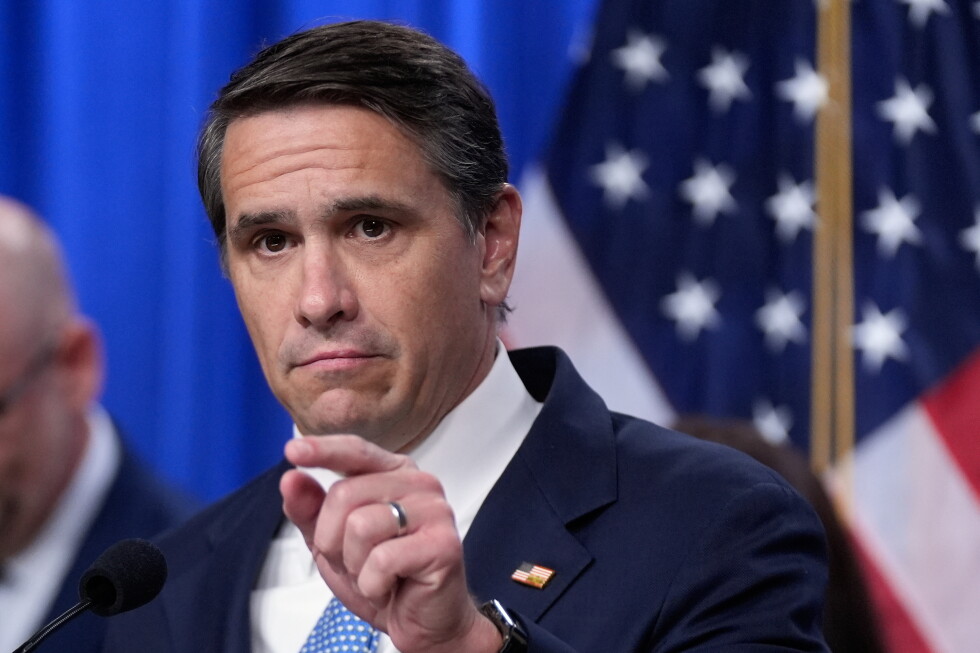
After a high-stakes legislative battle that stretched into the early hours of Saturday morning, the U.S. Senate narrowly confirmed Todd Blanche as the new Attorney General of the United States. The final vote of 50-49 brings an end to a period of uncertainty at the Department of Justice (DOJ), placing a loyalist and former personal attorney of President Donald Trump in one of the most powerful positions in the federal government. The confirmation marks a significant victory for the Trump administration, even as it signals a deeper rift within the Republican Party regarding the independence of federal law enforcement.
What happened
The confirmation was far from a certainty as the Senate moved toward its final vote. The Republican majority faced internal resistance from Senators Lisa Murkowski of Alaska and Susan Collins of Maine, both of whom voiced significant concerns about Blanche’s suitability for the role. With every Democrat voting in opposition, the nomination rested on the unified support of the remaining GOP caucus.
Senator Bill Cassidy of Louisiana emerged as a pivotal figure, ultimately throwing his support behind Blanche despite the controversy. While Cassidy acknowledged on the Senate floor that the nominee was “not perfect,” he argued that a rejection would likely lead to a replacement who was no more qualified, effectively securing the necessary votes to finalize the appointment during the overnight session. Following the vote, Blanche expressed his gratitude on social media, thanking the President for his confidence and the senators for their late-night efforts.
Context
Todd Blanche’s elevation to the role of Attorney General is particularly notable due to his prior professional relationship with the President. Before entering public service, Blanche served as Trump’s personal legal counsel, representing him in several high-profile and sensitive legal matters. This background led to a turbulent confirmation process, as lawmakers debated whether Blanche could truly distance himself from his former client’s political interests.
Since returning to the White House, President Trump has been vocal about his desire to see the Department of Justice take a more aggressive stance against his perceived political adversaries. Blanche, who had already been serving as the acting head of the department, now enters the office with a full mandate to implement the administration’s legal priorities. The Republican-led Senate’s decision to confirm him cements the President’s influence over an agency he has frequently sought to reform to his specifications.
Why it matters
This confirmation represents a fundamental shift in the leadership of the Justice Department, an institution that has historically operated with a degree of autonomy from the executive branch. By installing a former personal lawyer at the top of the DOJ, the administration has successfully placed a trusted ally in a position to oversee federal prosecutions and legal policy.
For supporters, this move ensures that the President’s agenda will be carried out without the internal resistance seen during his first term. However, for critics, the narrow confirmation underscores fears that the department may become a tool for partisan retribution. Moving forward, Blanche’s actions will be closely monitored to see if he can maintain the department’s integrity while navigating the complex demands of a President who has often challenged the traditional boundaries between politics and the law. The 50-49 margin serves as a reminder that while the administration has the power to appoint its preferred leaders, it does so with a razor-thin mandate and a watchful eye from a divided Congress.