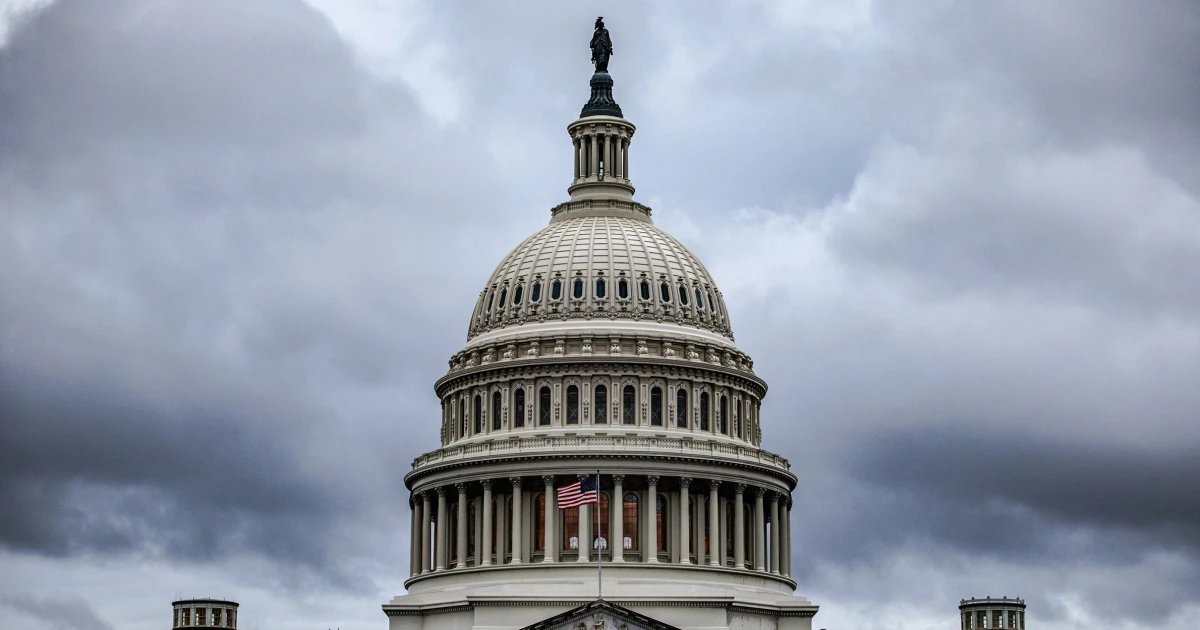
Senate leaders have brokered a crucial bipartisan agreement to maintain federal operations and prevent a government shutdown ahead of the upcoming 2026 midterm elections. The deal provides a temporary funding extension, ensuring that federal agencies remain open through the late fall while lawmakers work toward a more permanent fiscal solution. By finding middle ground on a continuing resolution, leaders in the chamber hope to bypass the political volatility that often precedes major national elections.
What happened
On Sunday, Senate Appropriations Committee Chair Susan Collins (R-Maine) and Vice Chair Patty Murray (D-Wash) announced a continuing resolution (CR) intended to sustain current spending levels through December 11. The current fiscal year’s funding is set to expire on September 30, meaning that without this intervention, the federal government would have faced a total shutdown on October 1.
The proposed legislation is described as a “straightforward” measure that avoids controversial “poison pill” riders. However, it does include essential updates for specific federal priorities. According to Senator Collins, the bill incorporates necessary adjustments for national security initiatives, disaster relief efforts, and vital nutrition assistance programs, such as SNAP and WIC. The Senate is expected to begin procedural votes on the measure immediately, with the goal of finalizing the package before the chamber adjourns for its scheduled August recess.
Context
The path to this agreement has been marked by significant differences between the two chambers of Congress. While the Senate is moving forward with a December 11 deadline, the House of Representatives previously passed a version of the funding bill that would expire earlier, on December 4. Because the House has already departed for its August recess and will not return until September, the two chambers will eventually need to reconcile these timeline discrepancies.
The negotiations also reflect deep-seated partisan divisions over executive authority and spending priorities. Senator Murray noted that the Senate’s version of the CR intentionally excludes several items previously requested by the White House and House Republicans. Specifically, the deal blocks a proposal that would have granted the administration the power to cancel federal grants at will. Additionally, it closes loopholes that would have allowed for the reallocation of funds from existing programs to the Border Patrol—a move Democrats argued was a distraction from necessary systemic reforms.
Why it matters
Averting a government shutdown is a high-priority goal for leaders in both parties, as fiscal instability just weeks before an election can be politically damaging. For Senator Collins, who is currently navigating a competitive re-election campaign, the deal serves as a tangible example of her ability to foster bipartisan cooperation. For Democratic leadership, the bill represents a successful effort to protect federal grant programs and food assistance from Republican-led budget cuts or administrative interference.
Beyond the immediate relief of avoiding a shutdown, this stopgap measure buys Congress additional time to negotiate a full-year funding package. By pushing the deadline into December, the final funding decisions will likely be influenced by the results of the 2026 midterm elections. The outcome of those races will determine which party holds the leverage to shape the federal budget for the remainder of the fiscal cycle, effectively allowing the next congressional makeup to have the final word on long-term spending priorities.