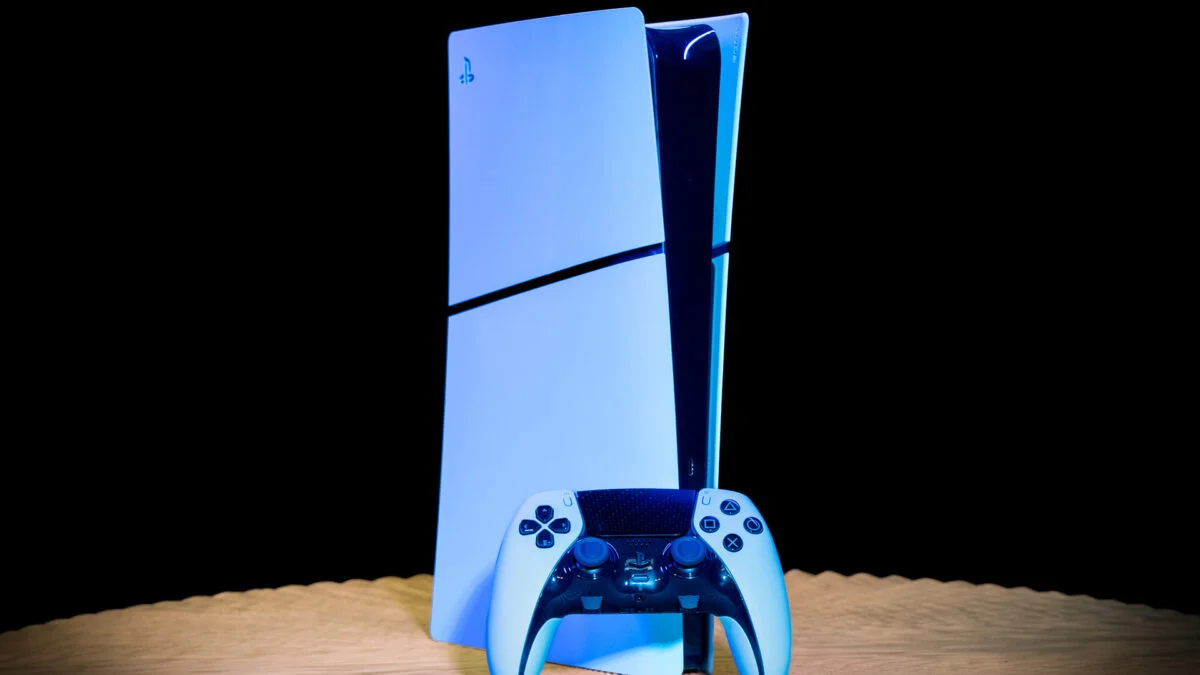
The PlayStation brand currently finds itself at a difficult crossroads, balancing a sharp decline in hardware momentum with a controversial push toward an all-digital future. While Sony remains a dominant force in the gaming industry, its latest financial disclosures reveal a company grappling with rising production costs and shifting consumer habits. As the hardware lifecycle for the PlayStation 5 matures, the path forward appears increasingly reliant on high-priced consoles and the eventual abandonment of physical media.
What happened
Sony’s most recent earnings report highlights a significant cooling in hardware demand. The company shipped 1.6 million PlayStation 5 units during the last quarter, a steep drop from the 2.5 million units moved during the same period the previous year. This downward trend comes at a time when hardware prices are actually increasing—a rarity for consoles that are five years into their lifecycle. Currently, a standard PlayStation 5 with a disc drive retails for approximately $650 in certain markets, while the high-end PlayStation 5 Pro carries a staggering $900 price tag.
Amidst these financial shifts, Sony leadership addressed the growing backlash regarding the company’s plan to phase out physical game discs by 2028. Sony CFO Lin Tao acknowledged that while the company is aware of the “strong views” and emotional attachment consumers have to physical media, Sony intends to “cautiously move forward” with its digital-first strategy. Supporting this direction is the fact that 82% of PlayStation’s recent software sales were digital, a figure that includes full-game downloads and add-on content.
Context
The primary justification for Sony’s current pricing and digital strategy is the rising cost of components. The company has moved to secure the necessary supply of RAM to meet its 2026 fiscal goals, but memory prices remain a significant hurdle. In an effort to frame these rising costs positively, Sony executives have begun positioning the PlayStation ecosystem as a budget-friendly alternative to the high-end PC market. According to Tao, the console remains “more affordable” than a comparable gaming computer, which Sony believes justifies the lack of a disc drive as a primary selling point.
Furthermore, Sony’s bottom line received a temporary boost from a recent U.S. Supreme Court ruling regarding trade tariffs. The company benefited from “tariff refunds” on imported goods, though these savings have not been passed down to the consumer. Instead, console prices have remained high or even increased to offset the heavy investment into Research and Development for the “next-generation platform,” widely assumed to be the PlayStation 6.
Why it matters
Sony is essentially betting the future of the brand on a digital-only landscape where it maintains total control over the marketplace. By moving toward a disc-less ecosystem, Sony maximizes profit margins on every sale made through the PlayStation Store. This strategy is expected to culminate with the release of Grand Theft Auto VI in 2026, a title many analysts believe will be a massive driver for digital software revenue.
However, this shift raises serious concerns regarding digital ownership and long-term value. As hardware prices climb and physical secondary markets are phased out, the barrier to entry for console gaming is becoming higher than ever. If Sony continues to prioritize high-margin digital sales and expensive hardware over the traditional affordability of consoles, it risks alienating a core segment of its audience. The transition to the next generation will be the ultimate test of whether “affordability” is a legitimate claim or merely a marketing pivot in an increasingly expensive era of interactive entertainment.