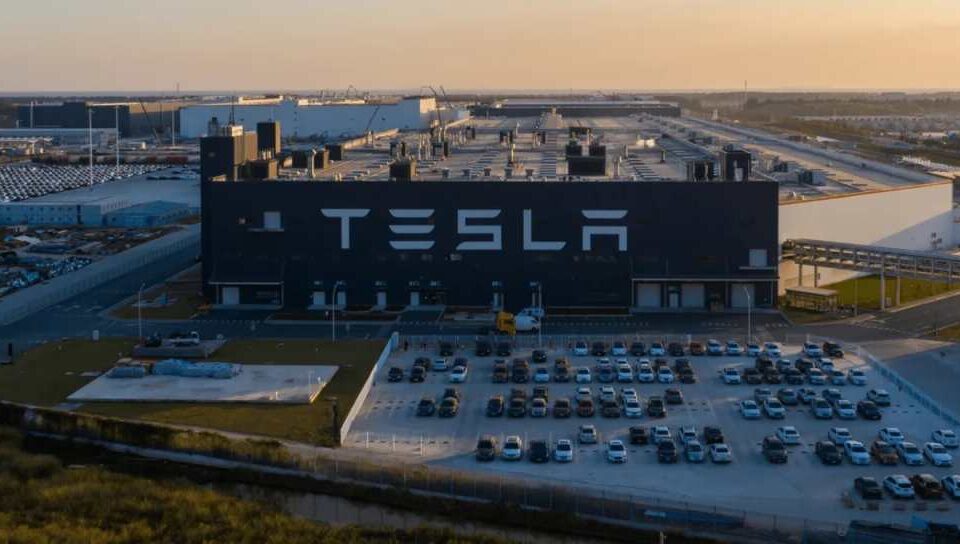
Recent reports suggesting a massive reorganization within Elon Musk’s business empire have sparked intense debate among investors and industry analysts. The speculation centers on the idea that Tesla might distance itself from its massive Chinese operations to facilitate a future merger with SpaceX. While the prospect of a “Musk Mega-Corp” has long been a topic of discussion, the Chief Executive was quick to shut down the latest rumors, labeling the claims as entirely unfounded.
What happened
A report from The Wall Street Journal recently alleged that Tesla executives had been exploring various ways to isolate or even divest the company’s China-based business. According to the report, Musk previously directed his leadership team to create a “laser-like” separation between the automaker’s American and Chinese divisions. The goal of this internal restructuring was purportedly to insulate the company from shifting geopolitical pressures and to simplify the corporate structure.
The report further suggested that such a move could serve as a precursor to a merger between Tesla and SpaceX. However, Musk responded to these claims with a firm denial on social media. Posting on X, Musk stated that the topic had never been discussed and dismissed the report as “absurdly fake news.” Despite the denial, the news has reignited questions about the long-term compatibility of Musk’s various ventures.
Context
Tesla’s relationship with China is both vital and complex. The company’s Gigafactory in Shanghai is currently its most productive manufacturing hub, boasting an annual capacity of over 950,000 vehicles. This single facility is responsible for more than half of Tesla’s global delivery volume, producing Model 3 and Model Y units for markets across the Asia-Pacific region and Europe.
Beyond just assembly, Tesla has deeply integrated itself into the local economy. More than 95% of the parts used in its China-built vehicles are sourced from domestic suppliers. With over 400 Chinese companies involved in the supply chain, Tesla is more than just a foreign manufacturer; it is a central pillar of the local automotive ecosystem. This deep integration, however, creates a potential conflict with Musk’s other major venture: SpaceX.
Why it matters
The primary obstacle to a Tesla-SpaceX merger is the stark difference in how the two companies interact with global governments. SpaceX is a critical partner for the United States government, holding sensitive defense contracts and managing national security satellite launches. Regulators in Washington would likely view a merger with a company so heavily reliant on Chinese infrastructure and supply chains with extreme scrutiny.
Separating the Chinese arm of Tesla could, in theory, remove these regulatory hurdles. By carving out the China business as a standalone entity, Musk could potentially present a “cleansed” version of Tesla that aligns more closely with the security requirements of SpaceX’s federal contracts.
Industry leaders within Musk’s inner circle have acknowledged the potential benefits of a merger. SpaceX President Gwynne Shotwell previously mentioned that combining the companies could streamline management. Conversely, financial analysts at firms like JPMorgan remain doubtful, citing the massive hurdle of China as a deal-breaker for any such transaction. For now, while the technological overlap between the companies grows, the geopolitical reality keeps them worlds apart.