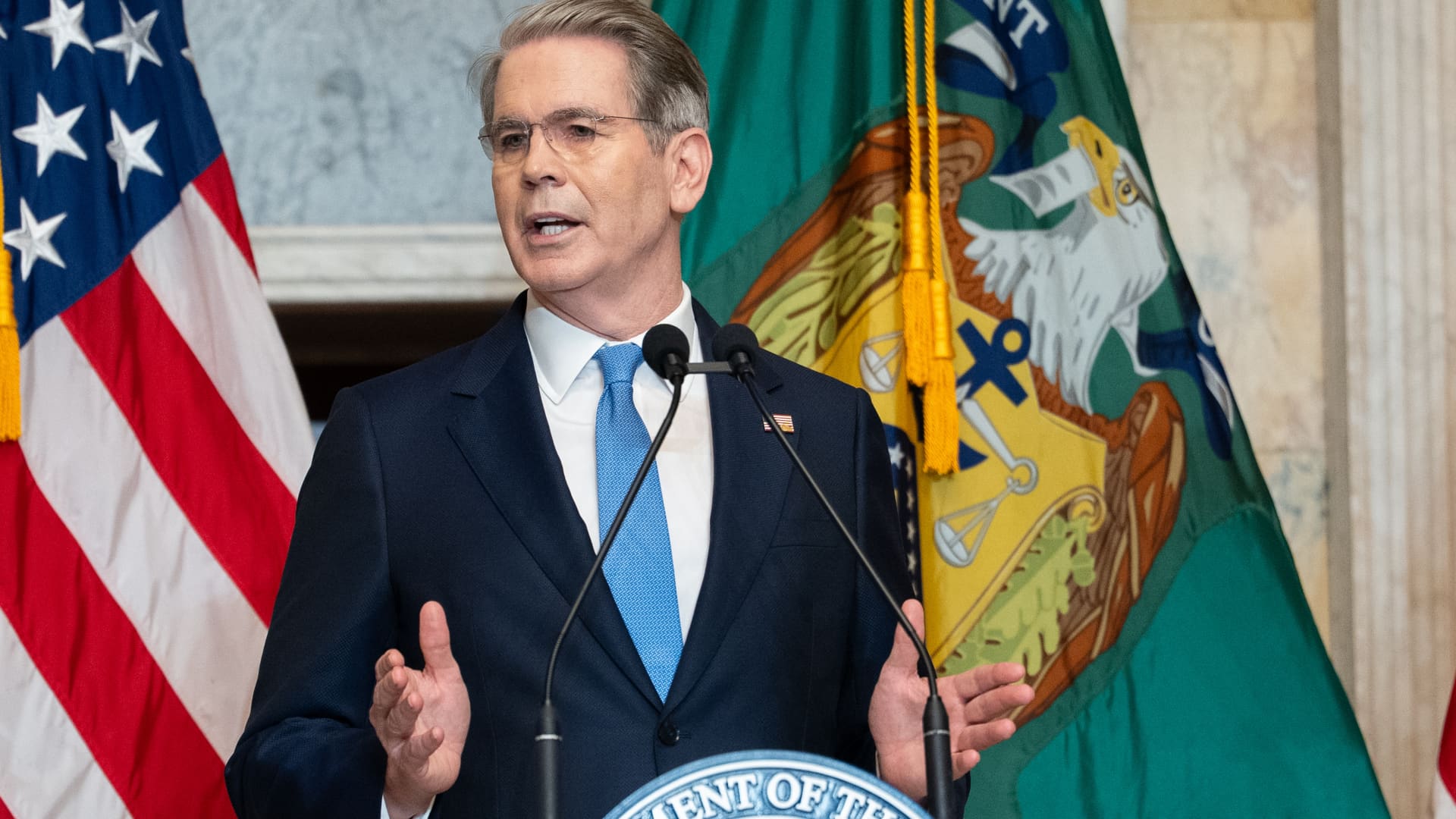
Treasury Secretary Scott Bessent is taking aggressive steps to stabilize the bond market by intervening in long-term debt maturities. By significantly increasing the scale of Treasury buybacks, Bessent aims to lower borrowing costs that have recently surged to multi-month highs. While the move provided immediate relief to investors, it has sparked a debate among economists regarding the potential for renewed inflation and the narrowing window of independence for Federal Reserve Chairman Kevin Warsh.
What happened
The Treasury Department officially announced on Wednesday that it would double its buyback operations for long-term government debt. The maximum purchase limit was raised from $2 billion to at least $4 billion, a move designed to soak up “off-the-run” securities—older bonds that are less frequently traded. This intervention was specifically targeted at maturities ranging from 10 to 30 years.
The market response was swift. Prior to the announcement, a sustained sell-off had pushed the 10-year Treasury yield to a peak of 4.74%, causing anxiety across global financial sectors. Following the news, the 10-year yield retreated to 4.65%. By removing these older, less liquid bonds from the market, the Treasury effectively frees up space on institutional balance sheets, allowing them to purchase more active, liquid issues. This mechanism helps lower the “term premium” and puts downward pressure on interest rates that affect everything from corporate loans to 30-year mortgages.
Context
This intervention arrives at a volatile moment for the U.S. economy. Since the escalation of conflict in the Middle East, Treasury yields have climbed by nearly 70 basis points, dragging mortgage rates toward the 6.75% mark. Simultaneously, the federal government is grappling with a massive fiscal burden, with the Congressional Budget Office projecting a budget deficit of $2.1 trillion for the current year.
While the Treasury is not “printing money” in the style of the Federal Reserve’s quantitative easing, its actions are being viewed as a form of yield curve management. To fund these buybacks, the Treasury is expected to issue short-term bills. This strategy replaces long-term obligations with short-term debt, effectively shortening the average maturity of the nation’s $32.2 trillion in public debt. This shift occurs amid significant political pressure; President Donald Trump has frequently called for lower interest rates to ease the cost of servicing the federal debt, creating a complex backdrop for the Treasury’s latest maneuver.
Why it matters
The implications of Bessent’s strategy extend far beyond daily market fluctuations. First, there is the risk of “fiscal dominance,” a situation where the central bank’s monetary policy becomes secondary to the government’s fiscal needs. By manipulating the long end of the yield curve, the Treasury may be inadvertently forcing the Fed’s hand. If the Treasury’s actions successfully lower yields while the Fed is trying to maintain a restrictive stance to fight inflation, the two institutions could find themselves working at cross-purposes.
Furthermore, economists warn that this intervention could be inflationary. Lowering long-term rates during a period of high deficits may stimulate the economy prematurely, complicating Kevin Warsh’s efforts at the Federal Reserve to reach price stability. There is also a structural risk: by shifting more debt into short-term bills, the government makes its interest payments much more sensitive to future rate hikes.
Ultimately, while the buybacks have successfully calmed a volatile bond market for now, they have also signaled a more activist Treasury Department. Market participants are now watching closely to see if this represents a permanent shift toward using the Treasury’s balance sheet as a primary tool for economic management, potentially at the expense of the Federal Reserve’s traditional autonomy.