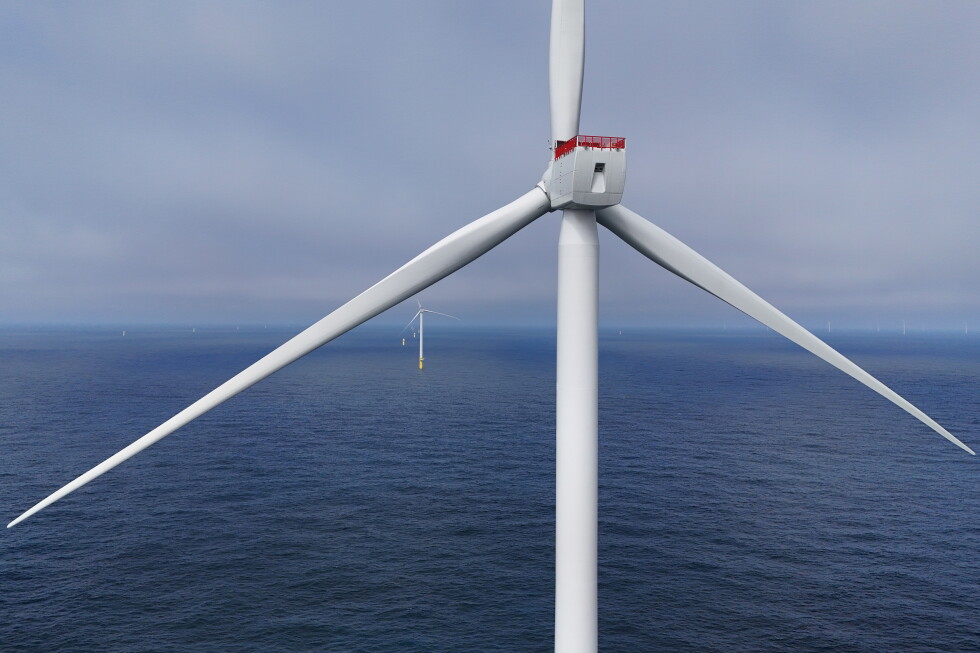
The U.S. offshore wind industry is facing a massive contraction as the federal government aggressively pursues a policy of buying back energy leases. In the latest move, the Trump administration has finalized a $1.22 billion settlement with German-based RWE U.S. Offshore. The deal requires the company to abandon all its current projects off the coasts of California, New York, and Louisiana. This agreement is part of a broader federal effort that has now spent nearly $4 billion to halt renewable energy developments at sea.
What happened
RWE’s exit from the American offshore wind market is comprehensive. By relinquishing these leases, the company is effectively canceling projects that were projected to generate approximately seven gigawatts of electricity—enough to power more than 5 million households. RWE representatives indicated that despite years of planning and significant capital investment, they no longer saw a viable regulatory or permitting route for these projects under the current administration.
As part of the settlement, RWE is pivoting its domestic operations toward traditional energy sources. The company has announced plans to invest $900 million into a liquefied natural gas (LNG) facility in Louisiana, alongside $300 million for natural gas turbines. This shift aligns with the administration’s requirement that companies receiving these buyouts reinvest in fossil fuel infrastructure. RWE is currently managing over a dozen other natural gas projects across the United States.
Context
This buyback strategy emerged after President Donald Trump’s previous attempts to stop offshore wind via executive orders were blocked by federal courts. To bypass these legal hurdles, the administration has utilized financial settlements to encourage companies to surrender their leases voluntarily. RWE is the latest in a string of major energy players to take these deals; previous settlements include nearly $1 billion paid to TotalEnergies and approximately $900 million shared between Golden State Wind and Bluepoint Wind.
The administration’s stance is rooted in the President’s vocal opposition to wind turbines, which he frequently criticizes for their aesthetic impact and perceived inefficiency. By reclaiming these leases, the government aims to prioritize fossil fuel expansion over renewable energy alternatives. However, this strategy is meeting resistance. Several states, including California, have initiated or planned legal action to protect their clean energy goals. Meanwhile, a recent federal court ruling in Oregon has ordered the Department of Defense to resume reviews for onshore wind farms, suggesting that the administration’s anti-wind agenda faces ongoing legal challenges on multiple fronts.
Why it matters
The implications of these settlements are being debated fiercely along partisan and economic lines. Interior Secretary Doug Burgum defended the move, stating that the U.S. needs an energy grid built on “common sense” that prioritizes reliable baseload power over technologies that rely on government subsidies. From the administration’s perspective, this ensures energy security and keeps costs low for consumers by focusing on dependable natural gas.
Conversely, critics argue that the policy is a massive transfer of wealth from taxpayers to fossil fuel interests. Senator Sheldon Whitehouse has characterized the lease buybacks as a “scam” that removes cheaper clean energy from the market to benefit political donors. Environmental advocates also point out the long-term climate costs, as the transition from offshore wind to natural gas increases carbon emissions. As the federal government continues to dismantle the offshore wind pipeline, the conflict between state-level climate mandates and federal energy policy is expected to intensify.