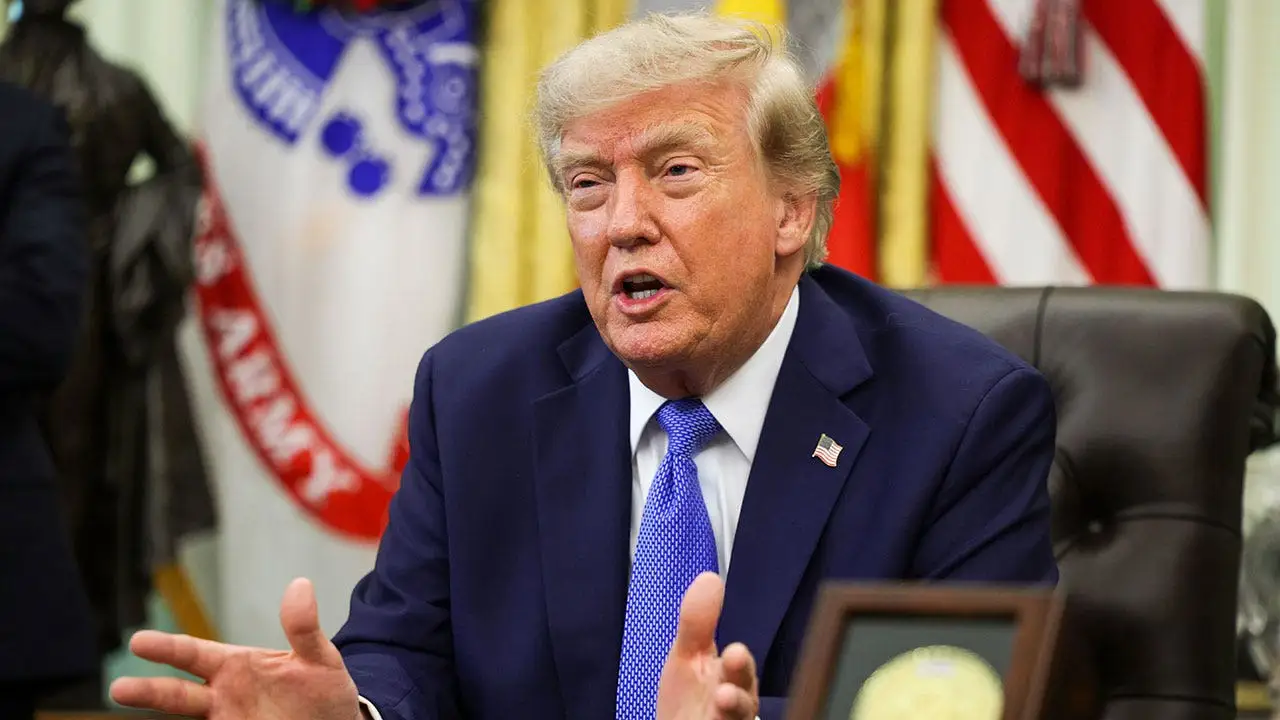
President Donald Trump’s public standing has reached a historic low during his second term, as a combination of geopolitical conflict and economic instability takes a toll on his administration. According to the latest data from a Reuters/Ipsos poll, the president’s approval rating has dipped to 33%, a figure that mirrors his previous all-time low as commander in chief. As the nation grapples with the ongoing war in Iran and the resulting spike in living costs, the administration faces a increasingly skeptical electorate heading into a pivotal election cycle.
What happened
The most recent Reuters/Ipsos survey, which included responses from 1,166 individuals, reveals a significant decline in support for the president. With only 33% of respondents approving of his performance, the rating has slipped from 35% just one week prior. Conversely, a substantial 64% of those surveyed expressed disapproval of the president’s handling of his duties.
This current 33% mark is a repeat of a low-water mark set back in December 2017 during Trump’s first term. The rapid decline in support comes as the administration struggles to manage the fallout from military engagements abroad and the corresponding domestic financial pressure. The poll suggests that the initial support for the administration’s policies may be eroding as the realities of a prolonged conflict and economic strain set in for the average American household.
Context
The primary driver of this shift in public opinion appears to be the war in Iran, which commenced in February. Initially presented to the American public as a targeted mission to dismantle Iran’s nuclear capabilities, the conflict has expanded into a complex regional struggle. Iranian efforts to control the Strait of Hormuz—a vital maritime corridor through which 20% of the world’s oil supply flows—have caused significant disruptions to global energy markets.
These disruptions have had a direct impact on American consumers. Data from the American Automobile Association (AAA) indicates that national gas prices have surged from less than $3 per gallon to over $4 per gallon since the start of the hostilities. During a recent event in New York, President Trump addressed these concerns, maintaining that the price increases were a necessary sacrifice for the mission’s success and stating that he would not offer apologies for the strategy.
Simultaneously, inflation has become a major concern. Figures from the Bureau of Labor Statistics show that year-over-year inflation has climbed from 2.4% in February to 3.4% currently. This “economic pain,” as many analysts describe it, is making the public increasingly wary of the administration’s current trajectory.
Why it matters
The timing of this slump in approval is particularly critical as the 2026 midterm elections approach. Low approval ratings typically serve as a harbinger of potential losses for the incumbent party in Congress. Furthermore, the poll indicates a pessimistic outlook on the war itself, with 80% of respondents believing the conflict will persist for an extended duration.
The disconnect between the administration’s defense of its geopolitical strategy and the public’s concern over rising costs presents a significant political challenge. As gas prices and inflation remain high, the debate over the “Iran war tax”—as some critics have dubbed the rising costs—is likely to intensify. For the Trump administration, the path forward will require balancing military objectives with the urgent need to stabilize the domestic economy and regain the trust of a frustrated constituency.