Tensions in the Middle East have reached a volatile new peak following a series of military exchanges and aggressive rhetoric from Washington. As the United States intensifies its pressure on Tehran to ensure the free flow of commerce through the Strait of Hormuz, President Donald Trump has signaled that American military intervention is likely to expand. This escalation comes as regional allies report fresh strikes on their soil and commercial vessels face renewed threats in strategic waterways.
What happened
During a recent Cabinet meeting at Camp David, President Trump adopted a defiant stance toward the Iranian government, stating that his administration’s primary objective is to “win.” The President indicated that the United States is prepared to strike Iran with significant force until the country’s leadership is no longer able to sustain its current course of action. This promise of continued military activity follows a breakdown in diplomatic efforts and a reported increase in Iranian-led aggression.
On the ground, the situation has rapidly deteriorated. Kuwaiti military officials reported on Saturday that they were forced to intercept and respond to a wave of drone attacks. According to Major General Saud Abdulaziz Al-Otaibi, these drones targeted several “vital facilities,” including a government building in northern Kuwait. While no casualties were reported, the breach of Kuwaiti sovereignty represents a significant widening of the conflict.
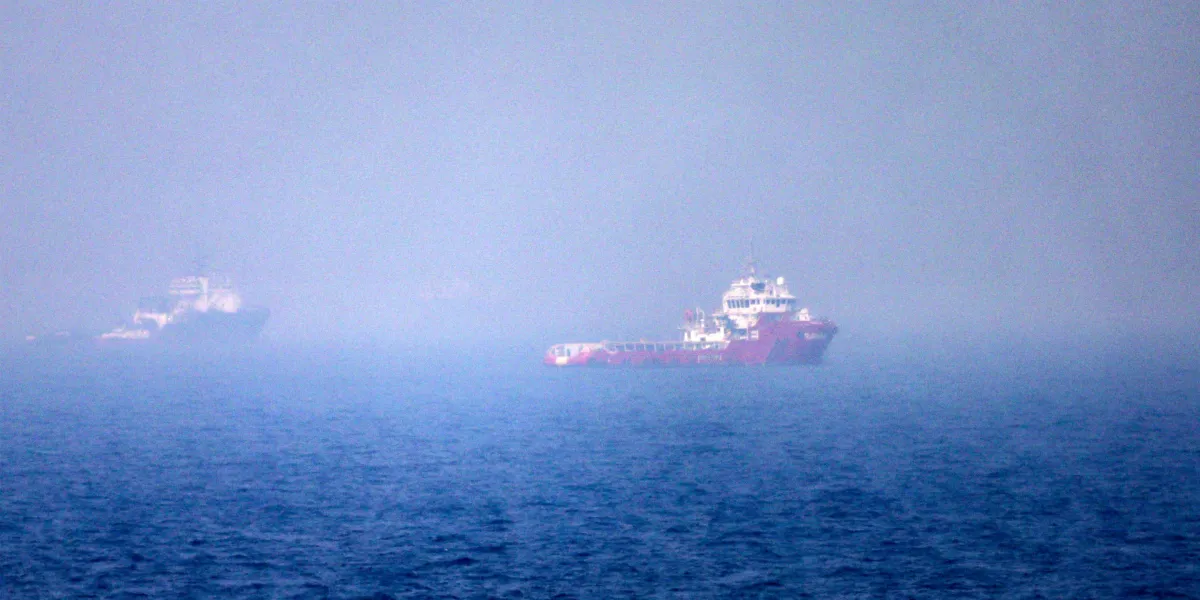
Simultaneously, the British Navy confirmed that the Strait of Hormuz remains a dangerous zone for international trade. A commercial tanker was reportedly struck by a projectile near Lima, Oman, resulting in damage to its engine room. A second vessel reported a nearby explosion and a large splash shortly after. These incidents follow a pattern of Iran targeting ships that attempt to navigate the waterway without its explicit authorization.
Context
The current surge in hostilities follows what the White House describes as a betrayal of diplomatic trust. Press Secretary Karoline Leavitt recently expressed the administration’s frustration, alleging that Tehran violated a memorandum of understanding regarding a truce signed only last month. According to the White House, Iran quickly abandoned the agreement, opting instead to target commercial shipping and engage in actions that resulted in the deaths of American soldiers.
The U.S. State Department has reacted to the volatility by issuing urgent security alerts for Americans traveling through or residing in 10 different Middle Eastern nations. Citizens in countries including Saudi Arabia, Israel, Iraq, and the UAE have been advised to prepare for significant disruptions, including the potential closure of airspace and the sudden cancellation of commercial flights.
In a separate but related development, Israel launched heavy airstrikes across the Gaza Strip. This military action followed an announcement that the militant group Hamas had agreed to disarm, though the region remains on high alert as the various conflicts in the Middle East begin to overlap and influence one another.
Why it matters
The escalation between the United States and Iran has profound implications for both global security and the world economy. The Strait of Hormuz is the world’s most important oil transit chokepoint; any sustained closure or consistent threat to shipping could lead to a dramatic spike in energy prices and disrupt global supply chains.
Furthermore, the drone attacks on Kuwait demonstrate that the conflict is no longer confined to U.S.-Iranian proxies but is directly impacting sovereign neighbors and regional infrastructure. The broad nature of the State Department’s travel warnings suggests that the U.S. government views the entire region as a potential theater for conflict. As President Trump maintains that Iran will continue to “pay” until they return to the negotiating table in a “meaningful way,” the risk of a larger, more direct military confrontation remains at an all-time high.