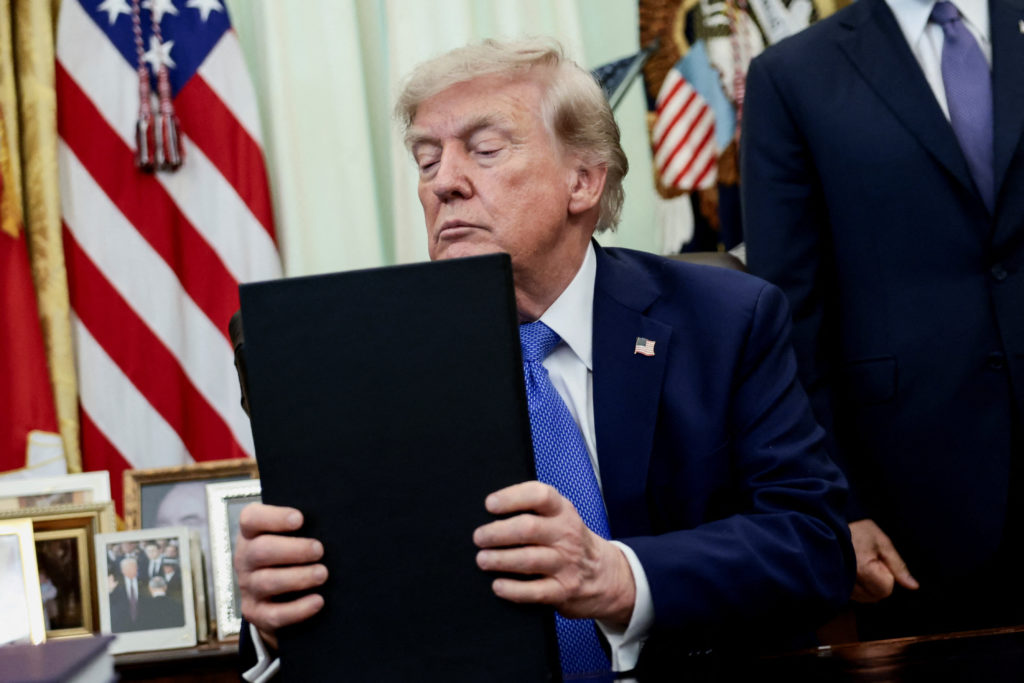
The White House has launched a renewed effort to redefine the criteria for American citizenship through executive action. By targeting the long-standing practice of granting automatic citizenship to children born on U.S. soil, the administration is signaling a significant shift in immigration enforcement. This latest move seeks to narrow the path to citizenship for children of foreign nationals, marking another chapter in a protracted legal and political battle over the interpretation of the 14th Amendment.
What happened
On Thursday, President Donald Trump issued two executive orders specifically designed to place new constraints on birthright citizenship. These orders focus on preventing foreign nationals from traveling to the United States for the primary purpose of giving birth, a practice often referred to as “birth tourism.” By tightening the regulations around who qualifies for automatic citizenship at birth, the administration aims to discourage non-citizens from utilizing U.S. soil to secure legal status for their offspring.
During the announcement, President Trump acknowledged that these orders were crafted with specific “adjustments” intended to withstand judicial scrutiny. This phrasing is a direct nod to previous administration efforts that were thwarted by the court system. The new directives represent a tactical pivot, attempting to refine the legal justification for such restrictions while maintaining the core objective of reducing the number of individuals who become citizens via birthright despite their parents’ residency status.
Context
The legal foundation for birthright citizenship in the United States is rooted in the 14th Amendment of the Constitution, which states that all persons born or naturalized in the U.S. are citizens of the country and the state in which they reside. For over a century, this has been interpreted as a near-universal grant of citizenship regardless of the parental immigration status.
This latest executive push follows a significant setback in June, when the Supreme Court struck down an earlier attempt by the administration to limit these rights. The court’s previous ruling suggested that the administration’s methods did not meet necessary legal standards or lacked sufficient procedural justification. In response, the current orders have been modified to address those specific judicial concerns. The administration is now attempting to frame the issue not just as an immigration matter, but as a necessary correction to perceived loopholes in the current regulatory framework.
Why it matters
This policy shift has profound implications for both the legal landscape and the lives of thousands of families. From a legal perspective, these executive orders are almost certain to face immediate challenges in federal court. Constitutional scholars are divided on whether a president has the authority to alter the interpretation of the 14th Amendment through executive fiat, or if such a change would require a formal Constitutional amendment passed by Congress.
Beyond the courtroom, the orders signal a hardening of the administration’s stance on immigration as a central policy pillar. By targeting birthright citizenship, the White House is addressing what it views as a “magnet” for undocumented immigration and birth tourism. However, critics argue that these measures undermine fundamental American values and create a tiered system of citizenship that could lead to increased litigation and social division. As the legal system prepares to review these “adjusted” orders, the debate over who has the right to be called an American remains one of the most contentious issues in modern domestic policy.