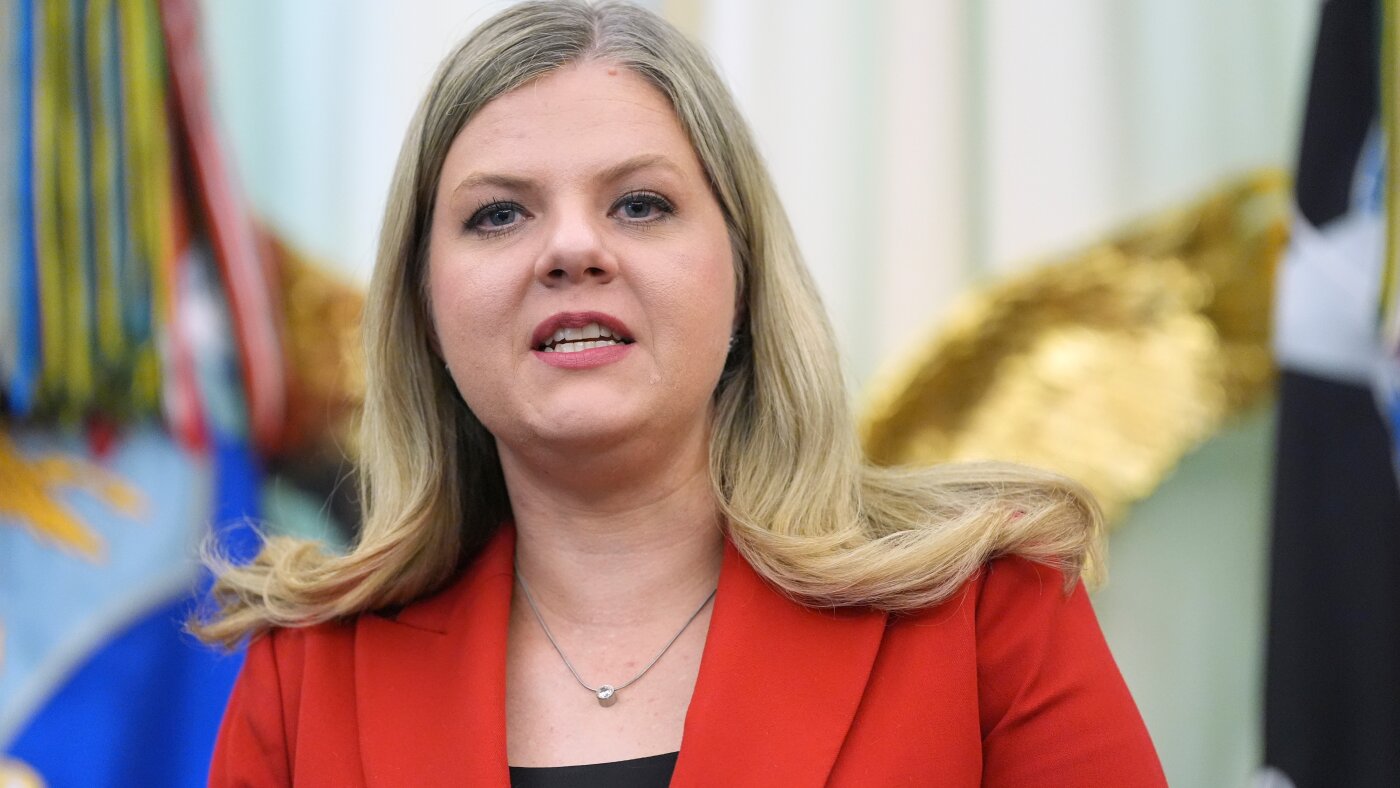
President Trump has announced his intention to nominate Dr. Heidi Overton to serve as the commissioner of the Food and Drug Administration (FDA). Currently serving as a key policy advisor within the White House, Overton is a surgeon by training who has played a significant role in shaping the administration’s domestic health agenda. If she is confirmed by the Senate, she will take over the leadership of one of the government’s most influential regulatory bodies.
What happened
The nomination was made public through a post on Truth Social, marking a definitive step in filling a leadership gap at the FDA. The position became vacant following the resignation of Dr. Marty Makary, who led the agency for just over a year before stepping down in May. Overton is currently the deputy assistant to the president for domestic policy, a role that has kept her at the center of high-level executive decision-making.
The transition from a White House advisory role to the helm of the FDA represents a significant shift in responsibility. As commissioner, Overton would oversee a massive workforce of approximately 18,000 employees. The agency’s reach is vast, covering the safety and efficacy of everything from the nation’s food supply and prescription medications to medical devices, tobacco products, and cosmetics.
Context
Overton’s professional history and stated policy positions suggest a potential shift in the FDA’s regulatory priorities. Before her time in the White House, she worked with the America First Policy Institute, a conservative think tank. During her tenure there, she authored papers that expressed skepticism toward gender-affirming care for minors and raised concerns regarding the safety protocols of medication abortion. Specifically, she has questioned the FDA’s previous decisions to allow such medications to be prescribed via telehealth services.
Her views on public health initiatives have also drawn attention from the scientific community. Overton recently supported an executive order concerning the childhood vaccination schedule. During a press conference, she advocated for the “unbundling” of the measles, mumps, and rubella (MMR) vaccines, suggesting that parents should have the option to administer these shots individually rather than in the standard combined form. While she maintained that vaccination for measles is still recommended, her support for changing the delivery method aligns with the president’s calls for more parental autonomy over vaccine timing.
Why it matters
The role of FDA commissioner is often described by public health experts as one of the most demanding positions in the federal government. The leader of the agency must balance intense political pressure, corporate interests, and advocacy demands while adhering to scientific integrity. Former agency officials have noted that the transition from the White House—where policy goals are often set—to the FDA—where career scientists conduct rigorous data analysis—can be a challenging adjustment.
Overton’s nomination comes at a time when public health policy is under intense scrutiny. Her stance on vaccines, in particular, has met with resistance from medical experts who argue that there is no scientific evidence to support separating the MMR components. Experts warn that such a move could lead to higher manufacturing costs and a potential decrease in overall vaccination rates, as multiple appointments increase the likelihood of missed doses.
If confirmed, Overton will have to navigate these complex scientific and logistical hurdles while managing the diverse interests of the agency’s 18,000-strong staff. Her leadership will determine the direction of American healthcare regulation for the foreseeable future, impacting how medications are approved and how public health crises are managed.