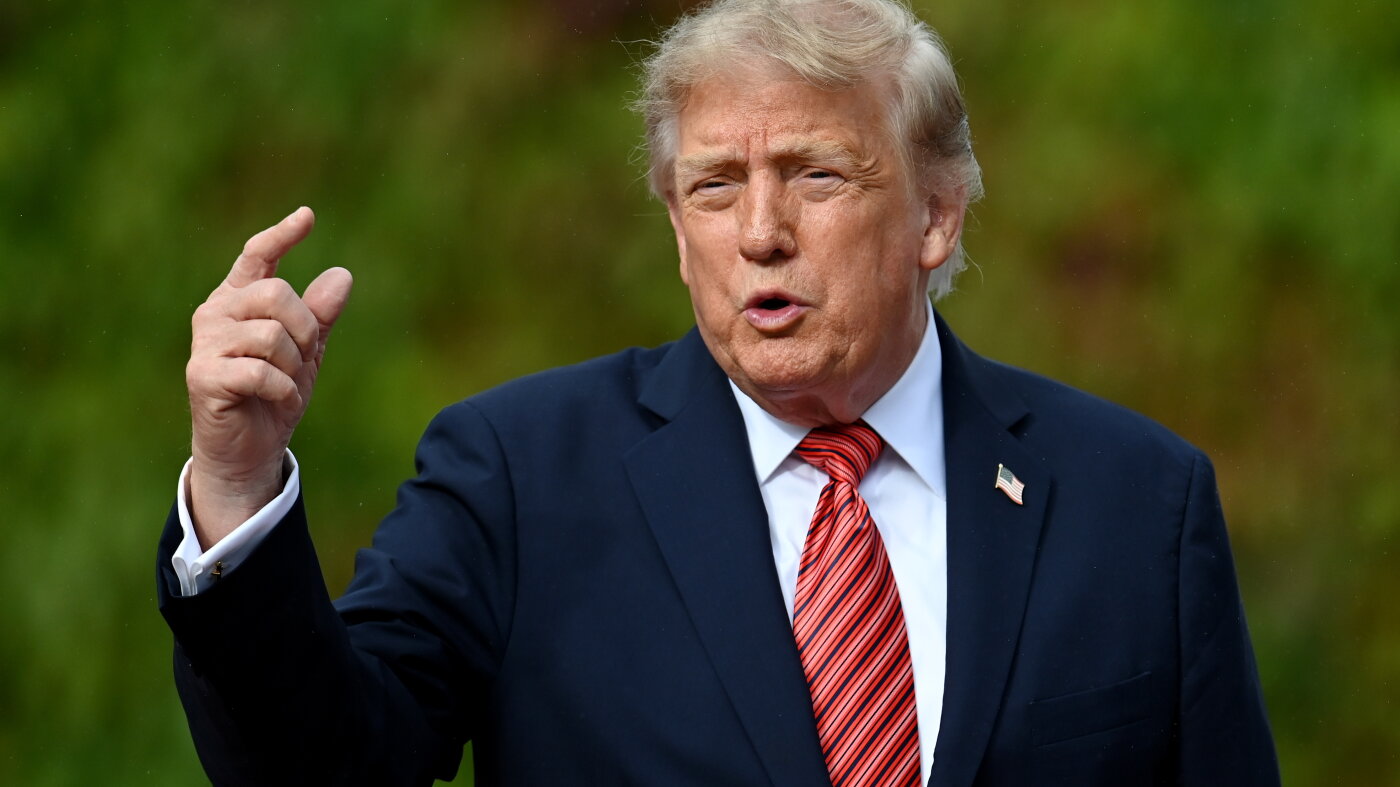
In a significant escalation of the ongoing friction between the executive branch and the news media, several prominent journalists were physically barred from the White House grounds this past Saturday. The move follows a public declaration by President Trump to restrict access for specific outlets he deems dishonest, raising immediate concerns regarding constitutional protections for independent journalism and the transparency of the federal government.
What happened
On Saturday morning, the administration’s verbal threats against the media transitioned into physical exclusion. Reporters arriving at the White House for their scheduled shifts discovered that their credentials had been deactivated without formal notice. Akayla Gardner, a correspondent for MS NOW (formerly MSNBC), reported that she was stopped by security and instructed to surrender her badge. When Gardner sought an explanation for the sudden deactivation, she was told by an officer that the directive came from authorities “above” the security detail on the scene.
A similar situation occurred for CNN’s Betsy Klein, a veteran reporter who has covered the White House since the Obama administration. Klein stated that a Secret Service agent confiscated her identification and provided no further information, referring her instead to the White House press office. Politico also confirmed that their White House correspondent, Cheyenne Haslett, was denied entry.
While some technical staff, including at least one producer, were reportedly able to enter the grounds, the targeted lockout of high-profile correspondents marks a definitive shift in the administration’s gatekeeping tactics.
Context
The groundwork for this confrontation was laid on Friday when President Trump used Truth Social to announce a formal ban on CNN, Politico, and MS NOW. In his post, the President accused these organizations of disseminating “fiction and lies,” arguing that news outlets should not be permitted to maintain access while providing what he considers consistently negative coverage.
During a Friday afternoon press briefing, the President was questioned by a Bloomberg News reporter about whether these bans were an attempt to intimidate the press corps. Trump dismissed the suggestion, instead criticizing the reporter’s integrity and labeling the targeted outlets as “dishonest.” He explained that the decision was the result of two years of accumulated frustration rather than a response to a single article. According to the President, these media organizations “purposely write negative news” with the intent of undermining his administration and the Republican party.
Why it matters
This incident has sparked a vigorous debate over the First Amendment and the role of the press in a democracy. Legal experts and media advocates argue that the government cannot pick and choose which journalists cover public proceedings based on whether the administration likes the coverage.
In their respective responses, the affected news organizations have vowed to fight the restrictions. CNN released a statement asserting their constitutional right to report on government activities without state interference. Similarly, MS NOW emphasized that the White House is a public institution funded by American taxpayers, and that they intend to take the necessary steps to defend the essential role of independent journalism.
Beyond the immediate legal questions, the ban creates a precedent that could fundamentally alter how the executive branch is held accountable. By denying access to specific outlets, the administration faces accusations of attempting to curate a more favorable press environment by excluding critical voices. Despite being barred from the premises, all three organizations have stated they will continue to report on the administration’s actions and policies.