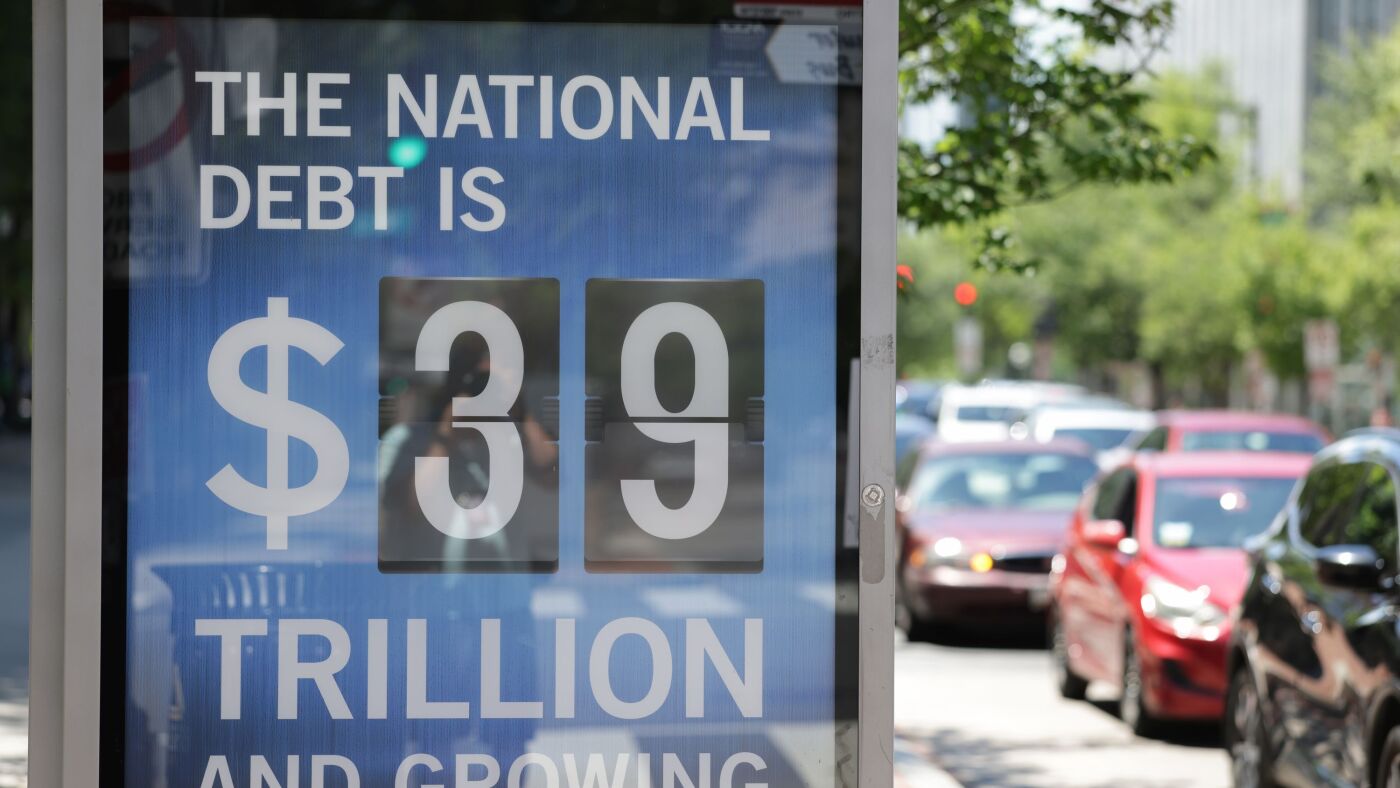
The United States has reached a somber fiscal milestone as the national debt officially surpassed $40 trillion this week. According to the latest figures released by the Treasury Department, the federal government continues to accumulate debt at an unprecedented pace, fueled by a significant gap between annual spending and tax revenue. This development has sparked fresh concerns among economists and policy experts regarding the long-term stability of the American economy and the rising costs of borrowing for both the government and private citizens.
What happened
On Wednesday, the Treasury Department’s daily financial update confirmed that the total federal debt had reached the $40 trillion threshold. This new record comes just five months after the debt hit the $39 trillion mark, illustrating the rapid acceleration of government borrowing. Current projections suggest that the federal deficit—the gap between what the government spends and what it collects in taxes—will exceed $2 trillion for the current fiscal year.
Several factors have contributed to this latest spike in red ink. While government revenues grew by 3% this year, federal expenditures have climbed at a much faster rate. Additionally, a recent Supreme Court ruling forced the Treasury to issue more than $100 billion in refunds for import taxes that were deemed unlawfully collected. This unexpected blow to the budget further widened the deficit at a time when the debt-to-GDP ratio continues to trend in a concerning direction.
Context
The current fiscal trajectory has placed the White House and Congress under intense scrutiny. While the Trump administration has attributed the ballooning debt to the fiscal management of previous years and emphasized a focus on cutting waste and fraud, critics argue that the current path remains fundamentally unsustainable. Organizations such as the Bipartisan Policy Center have warned that the nation is approaching a fiscal breaking point, yet there remains a notable lack of consensus in Washington on how to address the underlying issues.
A significant portion of the current spending is now dedicated solely to servicing existing debt. Interest payments have surged to over $1 trillion annually, making interest the federal government’s second-largest expenditure, surpassed only by Social Security. In the first ten months of the current fiscal year, interest costs rose by 15% compared to the previous year. This increase is driven not only by the sheer volume of debt but also by the higher interest rates that investors now require to continue lending to the U.S. government.
Why it matters
The record-breaking debt level has immediate and tangible consequences for the broader economy. As the government competes for capital, investors are demanding higher yields on government bonds. This week, the yield on 30-year Treasury notes reached a 19-year high. Because Treasury yields serve as a benchmark for various consumer loans, this surge drives up borrowing costs across the board.
For the average American, this translates to more expensive mortgages, car loans, and credit card debt. Recently, the average 30-year fixed mortgage rate hovered near 6.7%, a figure directly influenced by the volatility in the bond market. Beyond individual consumer costs, high debt levels threaten to crowd out essential private investment and limit the government’s ability to respond to future economic crises.
Fiscal watchdogs warn that without a credible, bipartisan plan to stabilize the national balance sheet, the burden on future generations will continue to grow. As interest payments consume a larger share of the federal budget, the country faces a difficult choice between raising taxes, slashing services, or risking a long-term decline in economic prosperity.