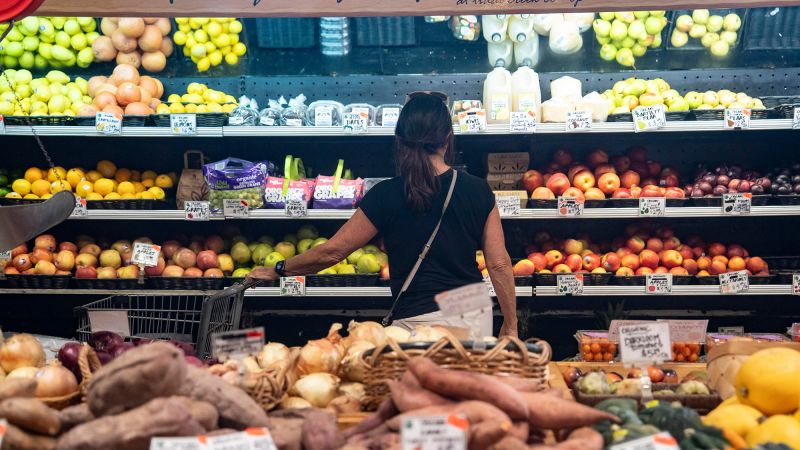
Fresh data from the Bureau of Labor Statistics shows a welcome shift in the American economic landscape. For the second consecutive month, the annual inflation rate has declined, settling at 3.4% for July. This cooling trend, largely driven by lower costs at gas stations and supermarkets, offers a moment of relief for households that have struggled under the weight of persistent price hikes over the last few years.
What happened
The latest Consumer Price Index (CPI) report reveals that prices rose by a modest 0.1% on a monthly basis, a figure that aligned with what many financial analysts had predicted. The primary engines behind this deceleration were energy and food costs. Gasoline prices saw a notable 2.9% drop over the month, significantly dampening the overall inflationary pressure.
Furthermore, grocery prices fell by 0.1% and are currently rising at a slower pace than the general inflation rate. Some specific items saw even more dramatic shifts; for instance, lettuce prices experienced a record-breaking decline of over 16%, partly due to consumer pullbacks following a health outbreak. Housing costs also showed signs of stabilizing. The “shelter” category, which represents roughly one-third of the CPI, rose only 0.1% in July, aided by lower rates for temporary accommodations like hotels and motels.
Context
While the headline number of 3.4% is encouraging, economists are looking closely at “Core CPI,” which excludes the more volatile categories of food and energy. This core rate hit 2.5% annually, matching levels seen at the start of the year and marking a significant improvement from recent years. This provides a clearer view of the underlying economic trajectory, suggesting that the extreme price pressures of the post-pandemic era are beginning to normalize.
However, this progress is occurring against a backdrop of global uncertainty. Recent fluctuations in energy prices have been closely tied to geopolitical tensions in the Middle East, particularly regarding the conflict involving Iran and the disruption of shipping lanes in the Strait of Hormuz. While recent diplomatic progress has helped lower oil prices temporarily, the situation remains precarious. Analysts such as Diane Swonk, chief economist at KPMG, suggest that while major retailers have implemented summer price rollbacks, the industry still faces upward pressure from rising fertilizer and energy costs that could manifest during the fall harvest.
Why it matters
Despite the positive report, the American consumer is not entirely in the clear. A significant concern remains the gap between wage growth and the cost of living. Current data shows that average pay increases are hovering around 3.2%, which still lags behind the 3.4% annual inflation rate. This means that for many families, real purchasing power is still under pressure.
As Christopher Rupkey, chief economist at FwdBonds, noted, the economy isn’t quite finished with the threat of inflation, even if the immediate pressure has lessened. The cumulative effect of several years of high prices means that even a “good” report doesn’t necessarily make life affordable for those with stretched budgets. Moving forward, the market will be watching to see if these cooling trends can hold steady or if rising production costs will cause another spike in the months to come.