Tensions in the Middle East have reached a critical flashpoint as the United States military continues its sustained campaign of airstrikes against Iranian-backed assets and infrastructure. Following a series of escalations in both the Strait of Hormuz and the Red Sea, the conflict has transitioned into a high-stakes exchange of threats and military action. With American casualties reported and maritime trade routes under direct fire, the risk of a full-scale regional war remains at the forefront of international concern.
What happened
The US military recently concluded its 12th consecutive night of aerial operations against Iranian targets. According to US Central Command (CENTCOM), the latest wave of strikes targeted a variety of strategic assets, including drone and missile storage facilities, coastal surveillance stations, and air defense systems. These operations were described as an effort to degrade Iran’s ability to disrupt international shipping and launch further attacks on regional partners.
Simultaneously, the maritime conflict has widened to the Red Sea. The Houthi movement in Yemen, which receives backing from Tehran, claimed responsibility for attacking two Saudi-flagged oil tankers, the Layla and the Encelia. The group asserted that these vessels violated their self-imposed blockade. While the Encelia reportedly caught fire following a drone or missile strike, Saudi authorities confirmed that all crew members were safe.
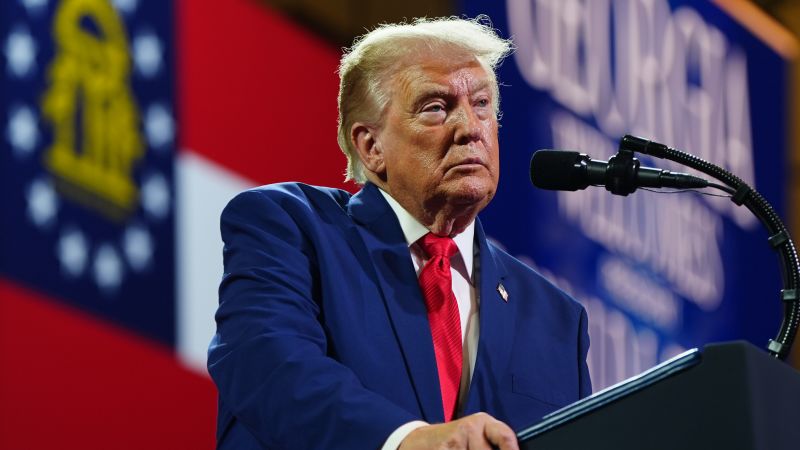
The human cost of the conflict was also highlighted this week as President Donald Trump attended a dignified transfer for four American service members killed in action. This somber event coincides with an increasingly aggressive rhetorical exchange; the U.S. administration has vowed to target Iranian infrastructure for every ship harassed in the Strait of Hormuz, while Tehran has threatened to retaliate against energy facilities across the region.
Context
The current cycle of violence is rooted in a long-standing struggle for control over the world’s most vital maritime chokepoints. The Strait of Hormuz and the Red Sea serve as the primary arteries for global energy supplies, and any disruption there has immediate effects on the world economy.
Diplomatic efforts appear to be at a standstill. Senator Marco Rubio has publicly expressed skepticism regarding Tehran’s willingness to engage in good-faith negotiations, suggesting that the Iranian leadership is not “serious” about de-escalation. Furthermore, Tehran has accused Washington of using “Pickaxe Mountain”—a site suspected of housing underground nuclear facilities—as a pretext for broader military aggression. This follows previous warnings from the U.S. administration that such sites could become targets if the conflict continues to broaden.
Why it matters
The persistence of these strikes and counter-strikes signifies a breakdown in regional deterrence. For the international community, the primary concern is the stability of global trade. The Houthi blockade in the Red Sea and the volatility in the Strait of Hormuz threaten to spike oil prices and disrupt supply chains that are already under pressure.
Furthermore, the direct involvement of U.S. forces and the resulting casualties indicate that the conflict has moved past proxy skirmishes into a more direct confrontation. If the “tit-for-tat” strategy involving infrastructure and energy facilities is fully realized, the economic damage could extend far beyond the immediate battlefield. As both sides harden their positions, the window for a diplomatic resolution appears to be narrowing, leaving the region on the brink of a much larger conflagration.