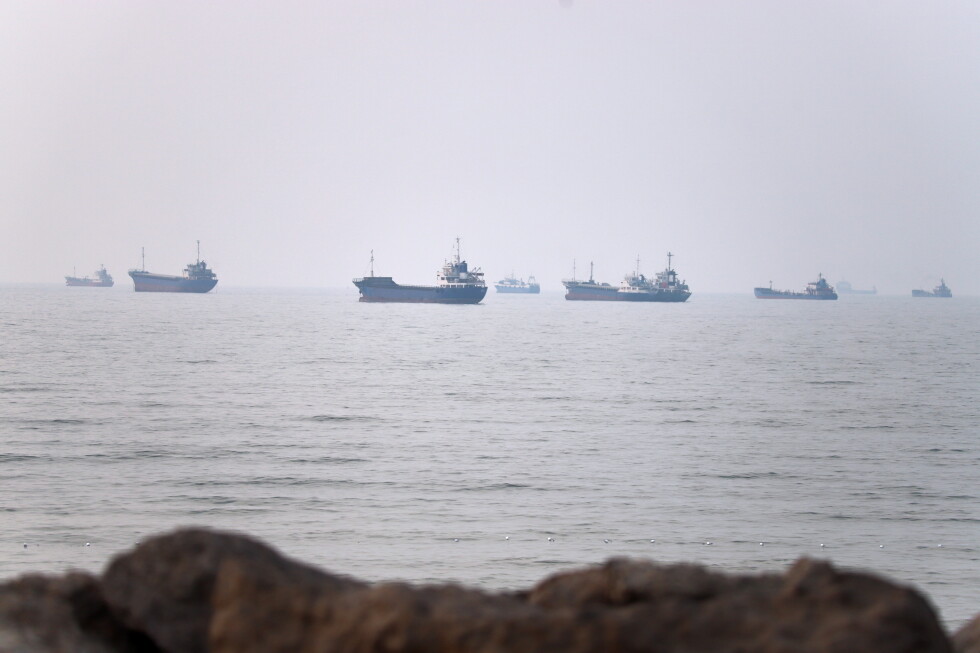
The military confrontation between the United States and Iran has reached a critical new phase as U.S. forces conduct their 12th consecutive night of aerial operations. With air defense batteries engaging targets over Tehran, the conflict has shifted toward a sustained campaign aimed at neutralizing Iranian capabilities near vital maritime corridors. The escalation follows a collapse in diplomatic negotiations and highlights a hardening of resolve from the White House to maintain the flow of global commerce through the region.
What happened
Early Wednesday, U.S. Central Command confirmed the completion of another wave of strikes across Iranian territory. These operations are specifically designed to weaken the Islamic Republic’s capacity to harass or attack commercial vessels and civilian mariners navigating regional waters. President Donald Trump, speaking before attending a dignified transfer for four fallen U.S. service members at Dover Air Force Base, issued a stern warning regarding the future of the campaign.
The President announced that the U.S. military is preparing to target “Pickaxe Mountain,” a heavily fortified underground facility situated near the Natanz nuclear site. This location has reportedly remained active despite previous bombardments during the short-lived conflict in 2025. Furthermore, the administration has introduced a new policy of direct reciprocity: for every vessel Iran targets in the Strait of Hormuz using drones, missiles, or other weaponry, the United States intends to destroy a piece of Iranian civilian infrastructure, specifically citing bridges and power plants.
Context
The current hostilities are part of a broader conflict that ignited in February 2026. This follows the “Operation Midnight Hammer” of 2025, a brief but intense 12-day war involving Israel and Iran. Despite those previous engagements, Iranian forces have continued to expand underground fortifications at the Kuh-e Kolang Gaz La site.
Diplomatically, the situation remains bleak. While Secretary of State Marco Rubio engaged with international partners at the ASEAN summit in the Philippines, efforts to revive a ceasefire deal in Pakistan have largely faltered. The human toll of the war was also visible this week in Minab, where funeral ceremonies were held for victims of a late February strike on a school, illustrating the ongoing civilian impact of the five-month-long war.
Why it matters
The stability of the Strait of Hormuz is the primary driver behind the current U.S. military strategy. As one of the world’s most essential chokepoints for energy supplies, the continued closure or disruption of this waterway has sent shockwaves through the global economy. Fuel prices have surged globally, creating significant domestic pressure in the United States as the fall midterm elections approach.
For the U.S. administration, the mission is two-fold: restoring international shipping lanes and forcing a “meaningful” diplomatic shift from Tehran. However, with both nations now targeting infrastructure and digging in for a protracted engagement, the risk of a wider regional catastrophe grows. The transition from tactical military strikes to the targeting of power grids and bridges marks a significant shift in the rules of engagement, suggesting that the “unpopular war” may escalate further before any path to peace is found.