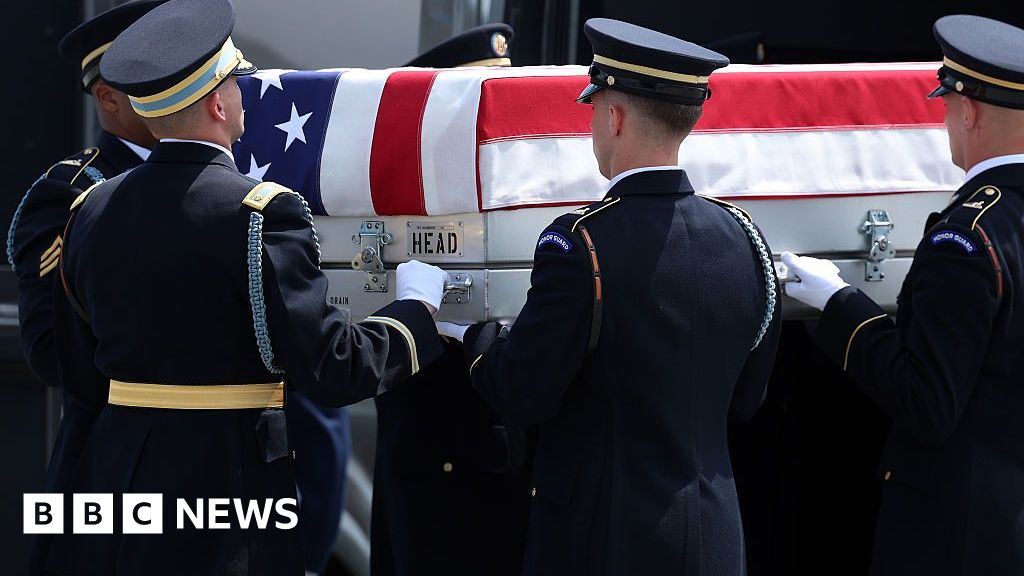
Recent reports from the Pentagon indicate that the human cost of the ongoing military engagement with Iran has reached a significant threshold. As of the latest update on July 25, at least 624 U.S. military service members have been wounded since President Donald Trump initiated strikes against Iranian targets in February. This milestone comes at a time of heightened scrutiny regarding how the Department of Defense manages and displays casualty data, following a series of adjustments to official records that have raised questions about transparency.
What happened
The latest casualty figures released by the Department of Defense show a total of 624 wounded personnel, but the data is now divided into two distinct categories. According to the Pentagon’s Defense Analysis Casualty System, 417 of these injuries are attributed to “Operation Epic Fury”—the codename for the initial strikes and subsequent offensive. An additional 207 injuries are now listed under a new, broader category titled “Overseas Operations.”
The reporting of fatalities has also undergone a controversial revision. Originally, the death toll for Operation Epic Fury was listed as 18. However, recent changes to the database saw that number drop to 14. The four deceased service members removed from the Epic Fury tally were subsequently relocated to the “Overseas Operations” category, which specifically tracks casualties occurring from July 7, 2026, onward. Currently, these four individuals are the only deaths listed under this new classification.
Pentagon spokesperson Sean Parnell addressed the shifting numbers on social media, characterizing the changes as “temporary data disruptions.” He stated that the department is working with various military branches to resolve these “site anomalies.” However, the lack of an initial explanation for the reclassification has drawn sharp criticism from observers who track military data.
Context
The conflict began in February when the Trump administration launched a series of strikes against Iran, sparking a period of intense kinetic engagement. While the United States and Iran reached a tentative ceasefire agreement in April and followed it with a Memorandum of Understanding in June, the situation on the ground remains volatile. Despite these diplomatic efforts, hostilities have persisted, leading to a steady increase in the number of wounded personnel.
The introduction of the “Overseas Operations” category, which first appeared on the Pentagon’s website just this past Sunday, suggests a shift in how the administration intends to frame the ongoing presence in the region. By partitioning the conflict into the initial “Epic Fury” phase and a subsequent “Overseas Operations” phase, the administration is effectively resetting the clock on casualty reporting for the latter half of the year.
Why it matters
The decision to split casualty data and the quiet alteration of death tolls have sparked a debate over government accountability. Critics argue that these administrative changes obscure the true cost of the war and make it difficult for the public to grasp the continuity of the conflict. Lt. Gen. Ben Hodges, a former commander of U.S. Army Europe, expressed concern that the administration is struggling to maintain honesty regarding both the casualties and the broader objectives of the war.
Political figures have also weighed in on the discrepancy. Republican Representative Thomas Massie labeled the new categorization an “absurd ruse,” implying that the move is a political tactic to minimize the perceived impact of the conflict. Furthermore, the discrepancy between the Pentagon’s revised data and President Trump’s own statements—such as a July 21 post on Truth Social claiming 18 lives had been lost—has created a confusing narrative regarding the total sacrifice made by American forces.
As the conflict continues despite formal ceasefire agreements, the transparency of military reporting remains a critical issue for lawmakers and the American public. The way these numbers are categorized doesn’t just affect a database; it shapes the national conversation about the duration, cost, and ultimate human toll of the military engagement with Iran.