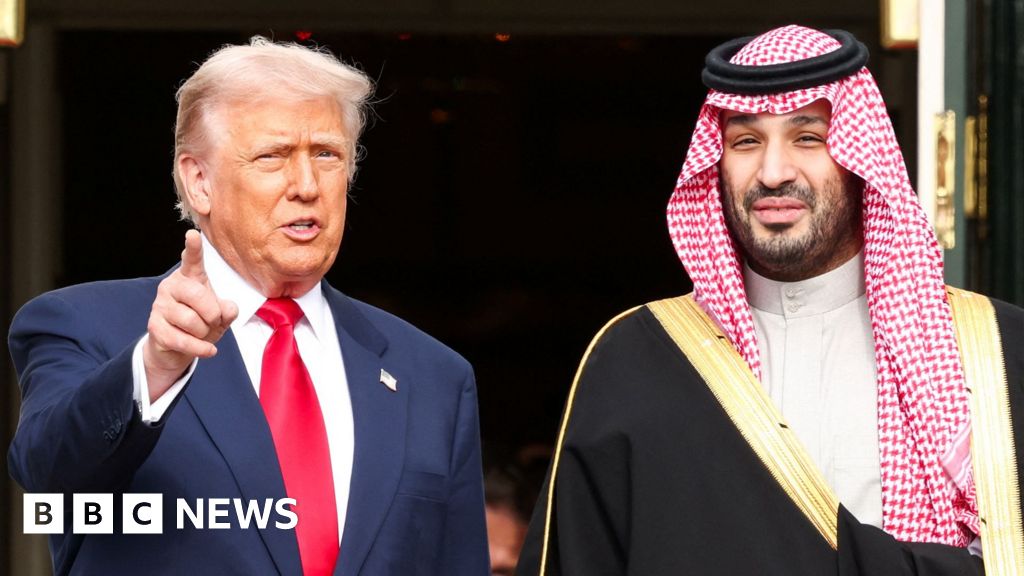
The United States and Saudi Arabia have finalized a significant agreement that establishes a framework for the Gulf nation to develop a civilian nuclear energy program. This landmark deal, described by the U.S. Department of Energy as a “peaceful nuclear co-operation agreement,” marks a pivot in regional energy dynamics and strengthens the strategic ties between Washington and Riyadh. While the move promises substantial economic opportunities for American industry, it has also ignited a debate regarding long-term security and nuclear non-proliferation in the Middle East.
What happened
The newly signed pact provides a legal foundation for a multi-billion-dollar partnership spanning several decades. According to U.S. officials, the deal is designed to grant American companies significant access to the burgeoning Saudi nuclear energy market. Alongside the primary cooperation agreement, both nations signed a “bilateral safeguards agreement” intended to ensure that the technology and materials provided remain dedicated to peaceful purposes.
While the full text of the agreement has not been released to the public, reports indicate a potentially unprecedented concession: the possibility of Saudi Arabia enriching uranium on its own soil. Traditionally, the United States has restricted its partners from domestic enrichment to prevent the diversion of fuel for military use. Under this proposed framework, Saudi Arabia might utilize U.S. technology to produce its own fuel at domestic facilities rather than relying on international imports. U.S. Energy Secretary Chris Wright emphasized that the deal maintains the “highest standards” of safety and security, utilizing premier American technology and expertise.
Context
This agreement arrives at a moment of heightened volatility in the Middle East. Tensions between the United States and Iran have escalated recently, with Saudi Arabia—a pivotal U.S. ally hosting several American military installations—frequently finding itself in the crosshairs of regional proxy conflicts. The announcement also follows a recent “maritime blockade” declared by Houthi rebels in Yemen, who are aligned with Iran and have long targeted Saudi interests.
Riyadh has sought a domestic nuclear program for years to diversify its energy portfolio and reduce its reliance on fossil fuels. The momentum for this specific deal built up following a high-level visit by Saudi leadership to Washington late last year. For the United States, the deal is seen as a way to maintain a competitive edge in civil nuclear technology while anchoring a key ally closer to Western standards of oversight, especially as other global powers like China and Russia seek to expand their influence in the region’s energy sector.
Why it matters
The implications of this deal are twofold, involving massive economic potential and significant geopolitical risks. For the American economy, the partnership could be worth billions of dollars, creating a steady stream of revenue for U.S. engineering and technology firms tasked with building and maintaining Saudi infrastructure.
However, the prospect of domestic uranium enrichment has caused alarm among some lawmakers and security experts. Critics, including former officials in Israel, worry that granting enrichment capabilities could set a dangerous precedent. The ability to process uranium is a “dual-use” technology; while necessary for power plants, it is also the primary path toward developing nuclear weapons. Proliferation experts have noted that the U.S. has historically avoided helping other nations establish enrichment facilities on their own territory precisely to mitigate these risks.
If the deal proceeds as reported, it could fundamentally alter the nuclear landscape of the Middle East. Supporters argue it provides a secure, regulated path for Saudi Arabia’s energy transition, while skeptics fear it could eventually trigger a regional arms race if neighboring states feel compelled to match the kingdom’s technical capabilities. For now, the agreement stands as a bold, if controversial, attempt to balance economic interests with the complex realities of modern diplomacy.