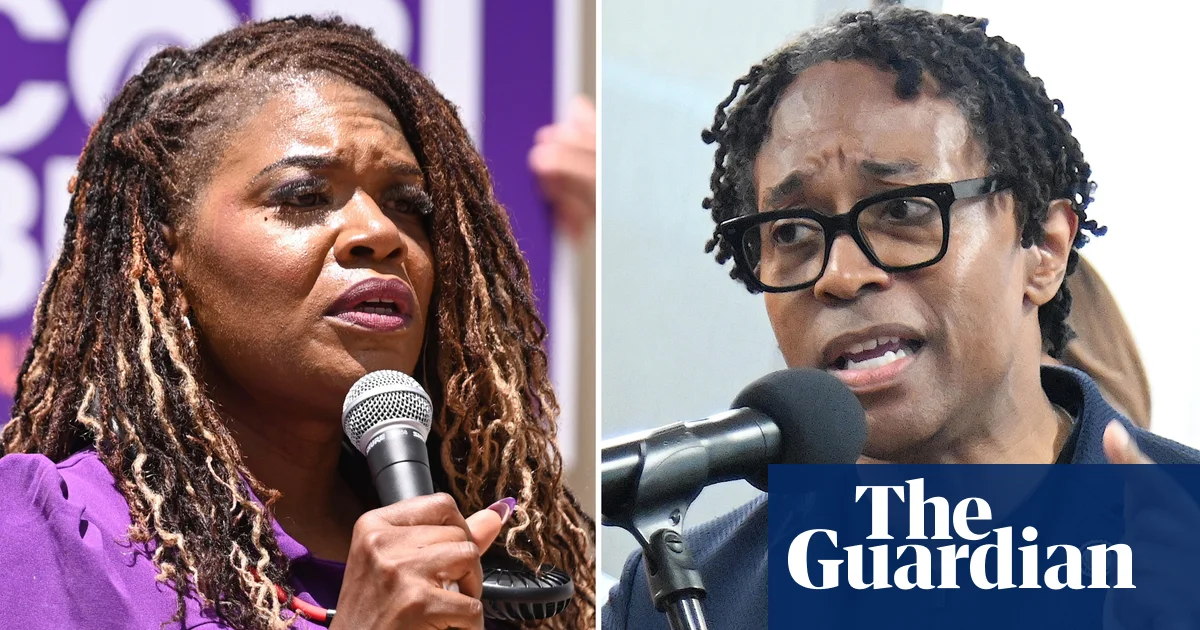
In a high-stakes contest that drew national attention to Missouri’s political landscape, Wesley Bell has emerged victorious in the Democratic primary for the state’s 1st Congressional District. Bell successfully defended his position against a comeback attempt by former Representative Cori Bush, a prominent progressive figure and member of the group of lawmakers known as “the Squad.” The victory solidifies Bell’s standing in the heavily Democratic St. Louis-area district and positions him as the clear frontrunner for the upcoming general election in November.
What happened
On Tuesday, the Associated Press called the race for Wesley Bell, a former county prosecutor who had previously unseated Bush two years ago. The primary was characterized by intense campaigning and a significant divide within the Democratic base. Bell ran a campaign focused on legislative pragmatism and party unity, ultimately securing the support of the Democratic House leadership and the Congressional Black Caucus.
Following his win, Bell addressed supporters with a message centered on local and national stability. He emphasized his commitment to protecting healthcare and due process for working families, while vowing to provide a steady hand in opposition to policies he described as reckless and cruel. The win is being hailed by centrist organizations, such as the New Democrat Majority PAC, as a victory for candidates who prioritize collaborative governance over ideological friction within the party.
Context
The primary was largely defined by a sharp disagreement over U.S. foreign policy, specifically regarding the conflict between Israel and Gaza. Cori Bush, a democratic socialist, has been a vocal critic of U.S. aid to Israel and has accused the nation of committing genocide in Gaza. Her stance made her a primary target for pro-Israel advocacy groups.
The United Democracy Project, a Super PAC associated with the American Israel Public Affairs Committee (AIPAC), reportedly invested approximately $3 million into the race to support Bell’s candidacy. Bush frequently criticized this influx of outside spending, alleging that Bell’s platform was being shaped by special interest donors. Bell countered these claims by asserting that his support for Israel was a matter of principle, though he clarified that he remains critical of the current Netanyahu administration.
Domestic issues also played a role in the campaign’s friction. Bell criticized Bush’s previous legislative record, specifically her vote against the 2021 infrastructure bill. He argued that her opposition hindered progress for the St. Louis region, which is currently recovering from the impact of a devastating tornado. Bush defended her record by stating that her vote was intended to push for more comprehensive social spending that had been promised to voters.
Why it matters
Wesley Bell’s victory represents a significant moment for the Democratic Party as it navigates internal tensions between its moderate and progressive wings. For “the Squad” and the broader progressive movement, the loss of a high-profile incumbent like Bush suggests a potential cooling of the momentum that outsider candidates have enjoyed in recent years. It also highlights the formidable influence of well-funded political action committees in shaping the outcomes of local primaries.
Furthermore, the result signals a preference among primary voters in this district for candidates who align more closely with the party establishment. By defeating a candidate who had frequently clashed with the Biden-Harris administration, Bell has positioned himself as a reliable ally for the Democratic leadership in Washington. As the party prepares for the general election, this primary serves as a case study in how foreign policy debates and strategic campaign spending are redrawing the map of American political influence.