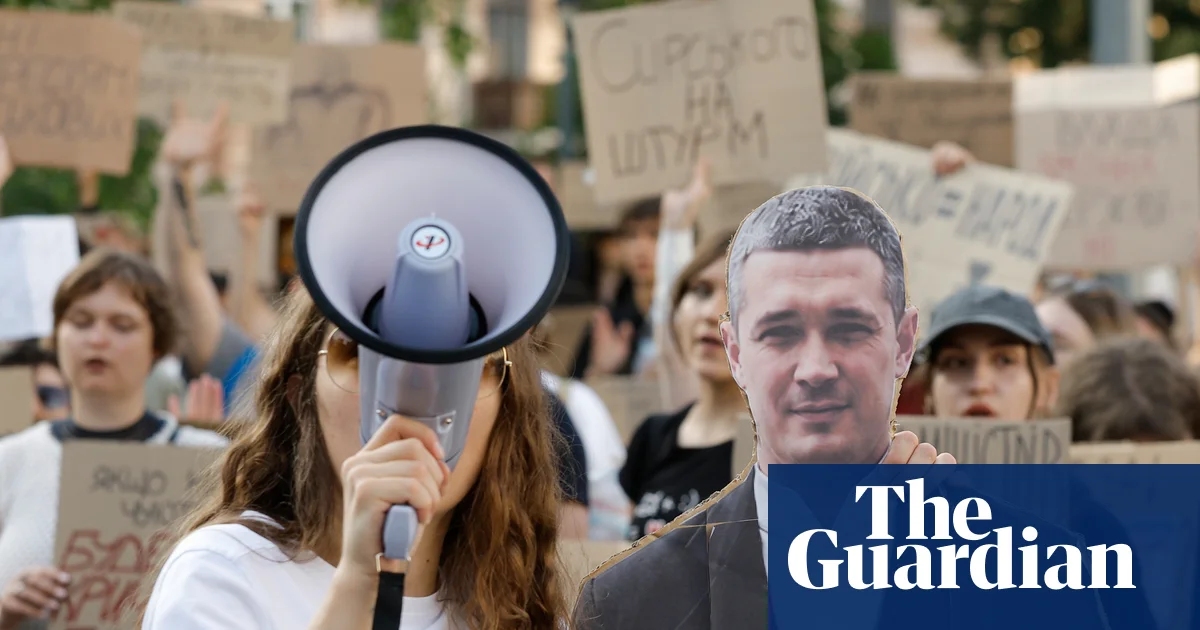
President Volodymyr Zelenskyy is navigating a deepening political crisis as demonstrators across Ukraine demand the reinstatement of former Defence Minister Mykhailo Fedorov. Despite a high-level military reshuffle intended to calm public dissatisfaction, the government remains at an impasse with activists who view Fedorov’s removal as a setback for the nation’s military modernization efforts.
What happened
The unrest follows a radical restructuring of Ukraine’s top military brass. On Tuesday, President Zelenskyy dismissed the Commander-in-Chief of the Armed Forces, Oleksandr Syrskyi, replacing him with Mykhailo Drapatyi. While Drapatyi’s appointment has been widely praised, the simultaneous removal of Mykhailo Fedorov from the Ministry of Defence has ignited a firestorm of protest.
In an attempt to compromise, Zelenskyy offered Fedorov a new position as the deputy prime minister for technological development. However, Fedorov reportedly declined the offer, insisting that he must return to his previous post to oversee the implementation of his strategic reforms. The position of defense minister is currently held by acting minister Yevhenii Khmara, a former special forces commander.
Protest leaders, including prominent veteran Dmytro Koziatynsky, have signaled that the demonstrations will not cease until their demands are met. A major rally is scheduled for Friday evening at Kyiv’s Ivana Franka Square, signaling that the pressure on the presidential office is only intensifying.
Context
The controversy comes at a time of significant tactical shifts on the battlefield. Under Fedorov’s previous influence, Ukraine’s unmanned systems forces achieved notable successes, launching sophisticated long-range drone strikes against Russian infrastructure. Recent operations have targeted military depots, oil refineries, and even commercial warehouses in Russian territory to disrupt the Kremlin’s economic capacity to fund the war.
The new Commander-in-Chief, Drapatyi, has already moved to capitalize on this momentum. Following a meeting with the President, Drapatyi announced plans to ramp up offensive operations across all sectors, focusing on high-tech warfare and operations behind enemy lines. While figures like former President Petro Poroshenko have expressed deep confidence in Drapatyi’s strategic mind and decisiveness, the political vacancy at the Ministry of Defence remains a point of contention.
Why it matters
The standoff presents a significant leadership challenge for Zelenskyy. If the President yields to the protesters and reinstates Fedorov, he risks appearing susceptible to external pressure, which could undermine his executive authority. Conversely, ignoring the protests could lead to prolonged domestic instability during a critical phase of the conflict.
The timing of this internal friction is particularly sensitive. Military analysts suggest that Russia may initiate a fresh wave of mobilization following its September elections, potentially flooding the front lines with new recruits. Ukraine’s ability to counter such a move depends heavily on the “ambitious plan for modernising” the army that Fedorov championed. With a political crisis entering its second week, the Ukrainian government must find a way to balance public trust with a cohesive command structure as they prepare for a difficult winter of warfare.